

Buying Guide for Electric Toothbrushes
Are you looking for an electric toothbrush, but don't know where to start? Let's see their basic features and what you should pay attention to, based on your needs!
The electric toothbrush takes care of the brushing motions, but there are plenty of options on the market: different technologies, power sources, sensors, apps and brush heads. Below, you’ll find the features worth looking at so you can choose one that suits your daily routine.
Let’s take a closer look!
1. Brushing technology
The technology shows how the brush head moves and, along with that, how brushing feels.
- Toothbrushes with rotating motion usually have a round brush head that rotates back and forth, cleaning one tooth at a time. They make thousands of movements per minute.
- With sonic toothbrushes, the brush head vibrates with tens of thousands of movements per minute. You can find the number in the specifications for each model, e.g. “62,000 movements/minute.”
- Ultrasonic toothbrushes operate at a much higher frequency, in the ultrasound range. The term is sometimes also used for devices that operate at sound frequencies, so check the manufacturer’s specifications to see what it refers to.
SkroutzTip: Names vary from brand to brand. Check the technology and the number of movements per minute stated by the manufacturer, not just the name of the product line.
The table below gives you a quick overview of the three technologies.
The Three Technologies at a Glance
2. Power & battery life
The power source determines whether you’ll need a charger or batteries.
Rechargeable models are the most common choice: charge the device and you won’t need batteries. Battery life is stated in days per charge. Choose up to 14 days, 15–30 days or 31 days or more. If you travel often, longer battery life means fewer charges and fewer cables in your suitcase.
Battery-powered models run on replaceable batteries. They don’t need a power outlet, but you’ll need spare batteries.
3. Features & functions
- The pressure sensor alerts you or reduces the speed, depending on the model, when you press too hard, helping you avoid brushing your gums too forcefully.
- The brushing timer tracks brushing time and, depending on the model and brand, alerts you when it’s time to move to another area of your mouth.
- With a mobile app, the device connects to your phone via Bluetooth, letting you view measurements such as brushing angle, pressure and duration in the app.
- The Smart Ring is a light on the device that displays information such as pressure and brushing time in real time. It is available on selected models.
- Many models also have brushing modes, e.g. for sensitive gums or whitening. Browse models with 2–3 modes or with 4 or more.
➡ If you’re also interested in cleaning between your teeth, see our Water & Air Flossers buying guide. They don’t replace brushing, but complement it.
4. What is it designed for?
The specifications of many models state what they are designed for. See which one suits your needs:
- Sensitive gums and sensitive teeth: depending on the model, look for sensitive-care modes and a pressure sensor.
- Braces: look for models that specify use with orthodontic appliances, and check which brush head the manufacturer recommends.
- Implants and bridges: look for models that specify they are suitable for these.
- Deep cleaning, whitening and tongue cleaning: look for models with the corresponding mode or brush head.
Note: The “suitable for” indication is a statement made by the manufacturer. If you wear braces or have implants or bridges, ask your dentist before choosing.
5. Brush heads & package contents
- 1+1: two toothbrushes in the same package, for two people to use.
- With 2+ brush heads: you have spare brush heads from the start.
- Travel case: take it with you without putting it loose in your suitcase.
The brush head is the part that wears out. Dental guidelines, such as those from the American Dental Association (ADA), recommend replacing it every 3–4 months or sooner if the bristles look worn. So before you buy, check which replacement brush heads fit the model and whether they’re easy to find.
SkroutzTip: Brush heads aren’t always compatible across different product lines or brands. Check compatibility with the specific model.

Don't forget! By combining the features that suit your everyday needs, you can find the perfect option. Before you decide, take a look at other users' reviews to see what their experience with the model has been like.
The information in this guide is general and does not replace advice from a dentist.
This article was created with the help of AI and reviewed and edited by the Skroutz team.
Relevant Articles
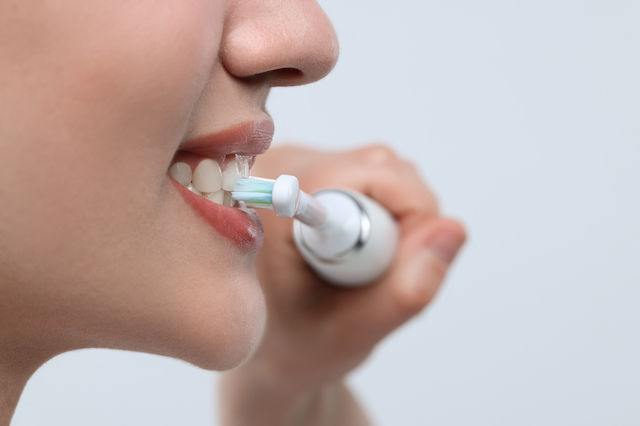
The best electric toothbrushes

The best skincare products

The best affordable hyaluronic acid serums you’ll ever try
Be the first to leave a comment!