

Οδηγός Αγοράς για Καλάμια Ψαρέματος
Ο ακόλουθος οδηγός προσφέρει πληροφορίες για την εύρεση του κατάλληλου καλαμιού ψαρέματος, ανεξαρτήτως επιπέδου εμπειρίας. Αναλύονται τα κύρια χαρακτηριστικά που πρέπει να ληφθούν υπόψη κατά την επιλογή, προσφέροντας σαφείς πληροφορίες που θα βοηθήσουν τους λάτρεις του ψαρέματος να επιλέξουν τον κατάλληλο εξοπλισμό για τις ανάγκες και τις προτιμήσεις τους.

Μήκος Καλαμιού (Ανοιχτό - Κλειστό)
Το ανοιχτό αναφέρεται στο συνολικό μήκος του καλαμιού όταν είναι πλήρως επεκταμένο και έτοιμο για χρήση, σε αντίθεση με το κλειστό μήκος, το οποίο αναφέρεται όταν είναι συμπτυγμένο ή διασπασμένο σε τμήματα.
- Ανοιχτό Μήκος: Ο ρόλος του μήκους καλαμιού επηρεάζει την ρίψη (Casting Distance) και την ακρίβεια. Ένα καλάμι με μεγαλύτερο μήκος παρέχει μεγαλύτερη απόσταση ρίψης, είναι ιδανικό για τεχνικές όπως το Surfcasting και το Shore Jigging, ενώ ένα μικρότερο είναι κατάλληλο για ψάρεμα σε κοντινές αποστάσεις και σε χώρους όπως τα ποτάμια και οι λίμνες.
- Κλειστό Μήκος: Το κλειστό μήκος του καλαμιού επηρεάζει την φορητότητά του. Τα τηλεσκοπικά και πολυτμηματικά είναι ευκολότερα στη μεταφορά και την αποθήκευση.
Βελτιώνοντας την Απόδοση με την Επιλογή Κατάλληλου Μήκους Καλαμιού
Ευαισθησία και Αίσθηση
Το μήκος του καλαμιού επηρεάζει την ευαισθησία και την αίσθηση κατά την αλιεία. Ένα καλάμι με μεγαλύτερο μήκος προσφέρει καλύτερο έλεγχο της κίνησης του δολώματος, αλλά είναι λιγότερο ευαίσθητο στις λεπτές κινήσεις των ψαριών, ενώ ένα καλάμι με μικρότερο μήκος συνήθως παρέχει μεγαλύτερη ευαισθησία και επιτρέπει την ανίχνευση λεπτών τσιμπημάτων.
Προτιμήσεις και Επίπεδο Εμπειρίας
Οι αρχάριοι ψαράδες συνήθως προτιμούν καλάμια με μικρότερο ανοιχτό μήκος για καλύτερο έλεγχο, ενώ οι προχωρημένοι ψαράδες μπορεί να επιλέξουν μεγαλύτερα καλάμια για βελτιωμένη απόδοση σε συγκεκριμένες τεχνικές (Surfcasting-Shore Jigging).

Είδη Καλαμιών Ψαρέματος
- Τηλεσκοπικά: Είναι σχεδιασμένα να συμπτύσσονται σε μικρό μήκος, καθώς τα τμήματά του εισχωρούν το ένα μέσα στο άλλο. Τα επιλέγουν ψαράδες που αναζητούν φορητότητα και ευκολία, και είναι κατάλληλη επιλογή για ταξίδια και πεζοπορίες. Επιπλέον, η προσιτή τιμή τους τα καθιστά πολύ δημοφιλή καθώς δεν επιβαρύνουν τον προϋπολογισμό. Ωστόσο, τα τηλεσκοπικά καλάμια μπορεί να παρουσιάζουν μειωμένη ανθεκτικότητα λόγω του μεγάλου αριθμού τμημάτων που τα απαρτίζουν, ενώ η αίσθηση και η απόκρισή τους κατά τη διάρκεια του ψαρέματος μπορεί να μην είναι τόσο ευαίσθητη όσο αυτή των μονοκόμματων καλαμιών.
- Δίσπαστα / Τρίσπαστα: Αποτελούνται από δύο ή τρία τμήματα που συνδέονται μεταξύ τους. Είναι σημαντική η απόδοση που προσφέρουν, παρέχοντας καλύτερη αίσθηση και δύναμη. Παρά το γεγονός ότι δεν διακρίνονται για την φορητότητα τους, διασπώνται σε κομμάτια και προσφέρουν ευκολία στη μεταφορά τους. Παράλληλα, διαθέτουν λιγότερα σημεία αδυναμίας σε σύγκριση με τα τηλεσκοπικά, προσφέροντας μεγαλύτερη σταθερότητα. Τέλος, οι συνδέσεις τους μπορεί να είναι ευπαθείς και να επηρεάζουν την αίσθηση και την αντοχή τους.
- Μονοκόμματα: Αποτελούνται από ένα ενιαίο τμήμα, χωρίς συνδέσεις, δημιουργώντας ανθεκτικό σώμα. Καθολικά, προσφέρουν την καλύτερη αίσθηση και απόκριση κατά τη διάρκεια του ψαρέματος και είναι κατάλληλα για μεγάλα και δυνατά ψάρια. Ωστόσο, υπάρχει δυσκολία στη μεταφορά λόγω μήκους και υψηλότερο κόστος σε σύγκριση με άλλους τύπους.

Ο ρόλος του Casting Weight
Αναφέρεται στο βάρος του δολώματος που μπορεί να ρίξει αποτελεσματικά το καλάμι και καθορίζεται από 10 έως 50 γραμμάρια. Για παράδειγμα, ένα καλάμι με casting weight 20-50γρ. είναι κατάλληλο για ψάρεμα με δολώματα που ζυγίζουν μεταξύ 20 και 50γρ. Συνοπτικά, επηρεάζει την απόσταση και την ακρίβεια των ρίψεων και το είδος των ψαριών που στοχεύετε.
Κατηγορίες Casting Weight
- Ελαφρύ (Light): 1-15 γραμμάρια: Ελαφριά τεχνητά δολώματα, κατάλληλο για μικρά ψάρια όπως λαβράκια και κέφαλους.
- Μεσαίο (Medium): 15-40 γραμμάρια: Για μεγαλύτερα τεχνητά και μεσαίου μεγέθους δολώματα, κατάλληλο για μεσαία ψάρια όπως σαργούς, μουρμούρες.
- Βαρύ (Heavy): 40-100+ γραμμάρια: Για βαριά δολώματα και μεγάλα ζωντανά δολώματα, κατάλληλο για μεγάλα αρπακτικά ψάρια όπως συναγρίδες και τόνους.
Πώς το Casting Weight Επηρεάζει την Επιλογή Καλαμιού;
- Περιβάλλον Ψαρέματος: Σε ακτές και βράχια, χρειάζεστε ευρύ casting weight για να προσαρμοστείτε στις συνθήκες. Σε σκάφος, μπορεί να χρησιμοποιηθεί μικρότερο casting weight για καλύτερο έλεγχο. Σε ποτάμια και λίμνες, το ελαφρύτερο casting weight προσφέρει καλύτερη απόκριση και ακρίβεια.
- Τύπος Καλαμιού: Τα τηλεσκοπικά καλάμια είναι συνήθως κατάλληλα για ελαφρύ έως μεσαίο casting weight, ενώ τα δίσπαστα προσφέρουν καλή ισορροπία μεταξύ φορητότητας και απόδοσης. Τα τρίπαστα καλάμια υποστηρίζουν ευρύτερο εύρος casting weight, παρέχοντας καλή φορητότητα και αντοχή. Αντίθετα, τα μονοκόμματα καλάμια είναι κατάλληλα για βαρύ casting weight, προσφέροντας την καλύτερη απόδοση και ανθεκτικότητα.
- Ευαισθησία και Απόκριση: Ένα καλάμι με ελαφρύ casting weight παρέχει υψηλότερη ευαισθησία, ιδανική για ανίχνευση λεπτών τσιμπημάτων. Αντίθετα, ένα καλάμι με βαρύ casting weight παρέχει μεγαλύτερη δύναμη και απόδοση για τη σύλληψη μεγάλων ψαριών.

Η Σημασία του Υλικού Κατασκευής
Το υλικό κατασκευής διαμορφώνει τόσο την ανθεκτικότητα όσο και την άνεση κατά τη χρήση. Παρακάτω αναλύονται τα βασικά υλικά κατασκευής και πως εκείνα επιδρούν στην επιλογή καλαμιού.
1. Άνθρακας (Carbon): Είναι ελαφρύ με υψηλή ευαισθησία, μεγάλη αντοχή, αλλά και υψηλή απόκριση κατά την εφαρμογή των τεχνικών ψαρέματος. Προσφέρει άριστη αίσθηση και ανίχνευση τσιμπημάτων, κάνοντάς το ιδανικό για τεχνικές που απαιτούν λεπτή ευαισθησία και ακρίβεια όπως το Spinning και το Απίκο. Συνολικά,προσφέρει άνεση, ιδίως κατά τη διάρκεια μακροχρόνιων ψαρεμάτων αλλά είναι σχετικά εύθραυστο ως υλικό και μπορεί να είναι ακριβότερο σε κόστος.
2. Γραφίτης (Graphite): Ελαφρύ έως μεσαίο βάρος και με καλή ευαισθησία. Προσφέρει ισορροπημένη αίσθηση και απόδοση στο ψάρεμα. Είναι ανθεκτικό στις καταπονήσεις, καθιστώντας το κατάλληλο για διάφορες τεχνικές ψαρέματος. Εντούτοις, δεν προσφέρει ευαισθησία και απόκριση και είναι σχετικά ακριβό υλικό.
3. Υαλοβάμβακας (Fiberglass): Είναι βαρύ και παρέχει σταθερότητα κατά τη χρήση. Η ανθεκτικότητά του βοηθά τους αρχάριους και είναι κατάλληλο για τη χρήση βαριών δολωμάτων σε μεγάλες αποστάσεις ρίψης. Είναι οικονομικό, κάνοντάς το προσιτό για πολλούς ψαράδες. Ωστόσο, η βαρύτητά του μπορεί να είναι κουραστική και η μειωμένη ευαισθησία να επηρεάσει την ευστοχία κατά τη διάρκεια του ψαρέματος.
4. Σύνθετα Υλικά (Composite Materials): Αναδεικνύουν έναν ενδιαφέρον συνδυασμό των ιδιοτήτων του υαλοβάμβακα και του άνθρακα ή του γραφίτη. Με την καλή ισορροπία μεταξύ βάρους και αντοχής, προσφέρουν τα πλεονεκτήματα και των δύο υλικών, είναι δηλαδή ανθεκτικά και ευέλικτα, κατάλληλα για διάφορες τεχνικές ψαρέματος. Η καλή ευαισθησία και αντοχή στις καταπονήσεις τα καθιστούν ιδανικά για χρήση σε ποικίλες συνθήκες ψαρέματος. Ωστόσο, μπορεί να είναι πιο ακριβά και να μην προσφέρουν την απόλυτη ευαισθησία που παρέχει ο άνθρακας

Επιλογή Βάρους
Το βάρος του καλαμιού αναφέρεται στο συνολικό του βάρος χωρίς την παρουσία εξαρτημάτων, φυσικά επηρεάζεται από το υλικό κατασκευής, το μήκος και τον τύπο του καλαμιού.
Πώς Επηρεάζει το Βάρος την Επιλογή Καλαμιού Ψαρέματος;
Άνεση: Τα ελαφριά καλάμια προσφέρουν μεγαλύτερη άνεση και ελευθερία κινήσεων κατά τη διάρκεια μακροχρόνιων ψαρεμάτων, μειώνοντας την κόπωση του χεριού και του καρπού.
Ευαισθησία και Ακρίβεια: Τα ελαφριά καλάμια είναι ευαίσθητα και προσφέρουν καλή απόκριση στις κινήσεις του ψαρά, βοηθώντας στην ανίχνευση των λεπτών τσιμπημάτων και επιτρέποντας τη χρήση τεχνικών που απαιτούν υψηλή ευαισθησία, όπως το Απίκο.
Ανθεκτικότητα και Απόδοση: Τα βαριά καλάμια προσφέρουν σταθερότητα και δύναμη κατά τη διάρκεια του ψαρέματος, είναι λιγότερο ευαίσθητα στις ακραίες καιρικές συνθήκες και παρέχουν καλύτερη εμπειρία χρήσης σε αρχάριους.

Αριθμός Στελεχών Καλαμιού
Τα στελέχη ενός καλαμιού ψαρέματος αναφέρονται στον αριθμό των επιμέρους τμημάτων από τα οποία αποτελείται το καλάμι. Δεν πρέπει να συγχέεται με το είδος του καλαμιού (τηλεσκοπικό, μονοκόμματο, δίσπαστο κλπ.) καθώς αυτό το χαρακτηριστικό αναφέρεται στη γενική δομή και λειτουργία του καλαμιού, ενώ τα στελέχη αποτελούν τα διακριτικά τμήματα που αποτελούν το σύνολό του, ανεξάρτητα από το είδος του.
Για παράδειγμα, ένα τηλεσκοπικό καλάμι μπορεί να έχει στελέχη που επεκτείνονται ή συμπιέζονται, ενώ ένα μονοκόμματο καλάμι μπορεί να αποτελείται από ένα μόνο στέλεχος. Ο αριθμός επηρεάζει τη συνολική δομή και την ευαισθησία του καλαμιού. Συνήθως, ένα καλάμι με περισσότερα στελέχη είναι πιο εύκαμπτο και μπορεί να προσφέρει μεγαλύτερη ακρίβεια, ενώ ένα καλάμι με λιγότερα μπορεί να έχει μεγαλύτερη αντοχή και σταθερότητα.

Αριθμός Οδηγών
Πρόκειται για τον αριθμό των δαχτύλιων που χρησιμοποιούνται για να καθοδηγήσουν τη γραμμή μέσα από το καλάμι κατά την ρίψη και την απόκριση κατά την ανάκτηση. Συνηθίζουν να κατασκευάζονται από κεραμικό ή αλουμίνιο καθώς βοηθούν στη μείωση της τριβής και της πίεσης που ασκείται στη γραμμή κατά το ψάρεμα.
Τα καλάμια με πολλούς οδηγούς (6 έως 10 ανάλογα με το μήκος του καλαμιού) συνήθως προσφέρουν καλύτερη απόδοση και μειώνουν την τριβή κατά τη ρίψη και την ανάκτηση της γραμμής, ενώ η πρόσθεση περισσότερων μπορεί να αυξήσει το βάρος του καλαμιού και το κόστος του. Από την άλλη πλευρά, λιγότεροι οδηγοί (1 έως 5 ανάλογα με το μήκος του καλαμιού) προσφέρουν καλύτερη ευαισθησία στο καλάμι, αλλά μπορεί να χάσουν σε απόδοση.

Action (Δράση)
Το Action αναφέρεται στη διάσταση της ευελιξίας του καλαμιού κατά τη διάρκεια του ψαρέματος, γεγονός που επηρεάζει τον τρόπο διαχείρισης της πίεσης από το ψάρεμα και την απόκρισή του στις κινήσεις του ψαρά.
Τα βασικά είδη είναι τα εξής:
Slow Action (Αργή Αντίδραση): Το καλάμι κλείνει στη βάση του (προς τη μύτη) και καμπυλώνει σε ολόκληρο το μήκος του όταν ασκείται πίεση. Παρέχει μεγαλύτερη ευαισθησία και είναι πιο ευέλικτο για την ρίψη μικρών τεχνητών, ιδανικό για ελαφρύ ψάρεμα.
Medium Action (Μεσαία Αντίδραση): Το καλάμι κλείνει και καμπυλώνει προς τη μύτη στο κέντρο του καλαμιού. Προσφέρει μια ισορροπημένη αντίδραση, καθιστώντας το ιδανικό για ποικιλία ψαρέματος, από ελαφρώς μέχρι μεσαίας βαρύτητας τεχνικές.
Fast Action (Γρήγορη Αντίδραση): Το καλάμι κλείνει και καμπυλώνει μόνο στην άκρη του, κοντά στη μύτη. Προσφέρει μικρότερη ευαισθησία αλλά μεγαλύτερη δύναμη και απόδοση στην εκτόξευση, κατάλληλο για μεγάλα ψάρια και για χρήση σε ανοιχτά νερά.
Super Fast Action (Υπέρ Γρήγορη Αντίδραση): Το καλάμι καμπυλώνει πολύ κοντά στη μύτη του. Προσφέρει ελάχιστη ευαισθησία στη βάση του αλλά εξαιρετική δύναμη και απόδοση κατά τη ρίψη. Χρησιμοποιείται για τεχνικές μεγάλης ακρίβειας και ταχύτητας, όπως το Jigging και σε περιβάλλοντα με πυκνή βλάστηση.
Heavy Action (Βαριά Αντίδραση): Το καλάμι κλείνει και καμπυλώνει σημαντικά στην περιοχή της βάσης του, κοντά στη χειρολαβή. Πρόκειται για δυνατό καλάμι που δεν κάμπτεται εύκολα με αντοχή στην αντίσταση. Κατάλληλα για ψάρεμα με μεγάλα δολώματα, ή ψάρεμα σε περιοχές με πυκνή βλάστηση.

Μηχανισμοί Ψαρέματος
Τα παρακάτω χαρακτηριστικά αποτελούν βασικά μέρη του μηχανισμού εξοπλισμού και επηρεάζει την επιλογή του κατάλληλου καλαμιού.
Μέγεθος (Χωρητικότητα): Συνήθως εκφράζεται σε μέτρα (m) ή σε χιλιοστά (mm). Όσο πιο μεγάλη η μπομπίνα τόσο επηρεάζεται η ισορροπία και η αντοχή του καλαμιού.
Υλικό Κατασκευής: Από ανθεκτικά υλικά όπως αλουμίνιο ή γραφίτη, τα οποία προσφέρουν αντοχή και ελαφρύ βάρος.
Σύστημα Φρένων (Drag System): Επιτρέπει τον έλεγχο της τάσης της γραμμής κατά την ρίψη και αντιπροσωπεύει τη δύναμη του φρένου κατά τη διάρκεια της μάχης με το ψάρι. Συνήθως αναγράφεται σε λίβρες (lbs) ή σε κιλά (kg).
Αριθμός Ρουλεμάν (Ball Bearings): Αναφέρεται στον αριθμό των ρουλεμάν που είναι εξοπλισμένος ο μηχανισμός. Περισσότερα ρουλεμάν συνήθως σημαίνουν ομαλότερη λειτουργία και μεγαλύτερη αντοχή καθώς διευκολύνουν την κίνηση του κεντρικού άξονα. Για παράδειγμα, μπορεί να έχει 5+1 ρουλεμάν, όπου το "+1" αναφέρεται σε ένα αντιστρεπτικό ρουλεμάν.
Αναλογία Περιστροφής (Gear Ratio): Η αναλογία μετάδοσης εκφράζεται συνήθως με αριθμό, όπως 5.2:1. Αυτό σημαίνει ότι για κάθε μια περιστροφή της λαβής, το τύμπανο του μηχανισμού κάνει 5.2 περιστροφές. Οι υψηλές αναλογίες μετάδοσης είναι κοντά στο 7.0:1 και άνω, ενώ οι χαμηλές είναι κάτω από το 5.0:1.
Πίνακας Προτεινόμενων Χαρακτηριστικών Μηχανισμών για Τεχνικές Ψαρέματος
Σχετικά με τα μεγέθη των μηχανισμών
Το μέγεθος κάθε μηχανισμού δηλώνεται με έναν αριθμό, πχ 3000, 5500, 300 κλπ. Όσο μεγαλύτερος είναι ο αριθμός αυτός, τόσο μεγαλύτερος είναι ο μηχανισμός άρα χωράει και μεγαλύτερη πετονιά. Ωστόσο θα πρέπει να γνωρίζεις ότι οι αριθμοί αυτοί δεν αποτελούν ένα ενιαίο/παγκόσμιο πρότυπο. Δηλαδή, μηχανισμοί μεγέθους 4000 δύο διαφορετικών κατασκευαστών μπορεί να διαφέρουν ως προς το μέγεθος.
Επίσης κάποιοι κατασκευαστές χρησιμοποιούν μαζί με τον αριθμό και γράμματα για να δηλώσουν συγκεκριμένα χαρακτηριστικά του κάθε μηχανισμού, όπως τον τύπο του σώματος, την ταχύτητα του μηχανισμού και την χωρητικότητα της μπομπίνας. Παρακάτω μπορείς να δεις τα πιο συχνά χρησιμοποιούμενα γράμματα και σε τι αντιστοιχούν.
Ταχύτητα
- PG (Power Gear): Υποδηλώνει χαμηλή σχέση μετάδοσης (π.χ. 4.6:1, 4.8:1). Ο μηχανισμός είναι πιο δυνατός και προσφέρει μεγαλύτερη δύναμη έλξης. Ιδανικός για τεχνικές που απαιτούν δύναμη, όπως το jigging.
- HG (High Gear): Υποδηλώνει υψηλή σχέση μετάδοσης (π.χ. 5.7:1, 6.0:1). Ο μηχανισμός είναι πιο γρήγορος και μαζεύει περισσότερη πετονιά ανά περιστροφή. Ιδανικός για τεχνικές που χρειάζονται γρήγορη ανάκτηση, όπως το spinning.
- XG (Extra High Gear): Αντιστοιχεί σε πολύ υψηλή σχέση μετάδοσης (π.χ. 6.2:1, 6.4:1). Είναι ακόμα πιο γρήγορος από τον HG.
Χωρητικότητα Μπομπίνας
- S (Shallow Spool): Υποδηλώνει ρηχή μπομπίνα. Έχει μικρότερη χωρητικότητα, αλλά είναι ιδανική για λεπτές πετονιές και τεχνικές που δεν απαιτούν μεγάλες ποσότητες (π.χ. LRF, Light Spinning).
- D (Deep Spool): Υποδηλώνει βαθιά μπομπίνα. Έχει μεγαλύτερη χωρητικότητα για πιο χοντρές πετονιές ή όταν χρειάζεται πολύ μήκος (π.χ. για ψάρεμα από βάρκα).
- SS (Super Shallow Spool): Ακόμα πιο ρηχή από την S, για πολύ λεπτές γραμμές και εξειδικευμένες τεχνικές.
Τύπος Σώματος
- C (Compact): Αυτό το γράμμα υποδηλώνει ότι το σώμα του μηχανισμού είναι μικρότερο σε σχέση με την μπομπίνα. Για παράδειγμα, ένας μηχανισμός C3000 της Shimano έχει το μέγεθος σώματος ενός 2500, αλλά την μπομπίνα και τη χωρητικότητα ενός 3000. Αυτό έχει ως αποτέλεσμα μειωμένο βάρος και καλύτερη ισορροπία.
Εξειδικεύμενη Σήμανση
- DH (Double Handle): Σημαίνει ότι ο μηχανισμός διαθέτει διπλή μανιβέλα.
- SW (Saltwater): Αυτός ο κωδικός χρησιμοποιείται από τη Shimano για να υποδηλώσει ότι ο μηχανισμός είναι ανθεκτικός στο αλμυρό νερό και τη διάβρωση.
- LT (Light & Tought): Αυτός είναι ένας δημοφιλής κωδικός της Daiwa που υποδηλώνει μια νέα σειρά μηχανισμών με ελαφρύ, αλλά ανθεκτικό σώμα.
- MQ (Monocoque Body): Αυτός ο κωδικός της Daiwa περιγράφει ένα σώμα μηχανισμού που είναι κατασκευασμένο από ένα ενιαίο κομμάτι, προσφέροντας μεγαλύτερη δύναμη και αντοχή στη στρέψη.
Άρα σύμφωνα με τα παραπάνω, ο μηχανισμός Shimano Vanford 3000XG-S έχει τα εξής χαρακτηριστικά:
- Shimano: Κατασκευαστής
- Vanford: Μοντέλο
- 3000: Μέγεθος μηχανισμού
- XG: Εξαιρετικά υψηλή σχέση περιστροφής, πολύ γρήγορος
- S: Ρηχή μπομπίνα

Τεχνικές Ψαρέματος
Η τεχνική του Surf Casting, που χρησιμοποιείται για ψάρεμα από την ακτή σε μακρινά σημεία, απαιτεί καλάμια μεγάλου μήκους και αντοχής, που να διαθέτουν επαρκή σκληρότητα για να ανταπεξέλθουν στις απαιτήσεις της ρίψης. Αντίστοιχα, η τεχνική του Jigging, που εστιάζει στον έλεγχο του τεχνητού δολώματος στο βυθό, απαιτεί καλάμια μικρότερου μήκους και ευελιξίας, προκειμένου να παρέχει την απαραίτητη ακρίβεια και ευελιξία κατά την ψαρέματος.
Κάθε τεχνική ψαρέματος απαιτεί συγκεκριμένα χαρακτηριστικά από το καλάμι όπως αναλύθηκαν παραπάνω και επηρεάζουν την απόδοση και την επίτευξη των στόχων του ψαρά. Ο παρακάτω πίνακας αποτελεί μια προσπάθεια σύνταξης όλων των σημείων που μπορούν να καθοδηγήσουν έναν ψαρά στην αγορά καλαμιού σύμφωνα με τις διάφορες τεχνικές ψαρέματος.
Πίνακας Προτεινόμενων Χαρακτηριστικών Καλαμιών για Τεχνικές Ψαρέματος

#SkroutzTips
- Πριν αποφασίσεις για ένα καλάμι, είναι σημαντικό να καθορίσεις πρώτα ποια τεχνική ψαρέματος θέλεις να εφαρμόσεις και σε ποια είδη ψαριών στοχεύεις.
- Είναι εξίσου σημαντικό να συγκρίνεις προσεκτικά τα διάφορα μοντέλα και εταιρείες πριν καταλήξεις σε μια επιλογή. Ζήτησε συμβουλές από έμπειρους ψαράδες, οι οποίοι μπορούν να σου προτείνουν τα κατάλληλα χαρακτηριστικά.
- Μια βάση καλαμιών παρέχει οργάνωση, εξασφαλίζοντας εύκολη πρόσβαση και προστασία από ζημιές ενώ η θήκη προσφέρει ασφάλεια κατά τη μεταφορά και το ψάρεμα.
- Βεβαιώσου ότι διαθέτεις τα κατάλληλα δολώματα, νήματα και εξοπλισμό για το καλάμι που κατέχεις.
- Θυμήσου ότι η επιλογή ενός καλαμιού είναι προσωπική και εξαρτάται από τις ατομικές σου προτιμήσεις και ανάγκες. Επίλεξε αυτό που σε κάνει να νιώθεις άνετα και με αυτοπεποίθηση.
-
 Τεχνητά Δολώματα
-
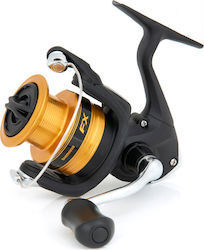 Μηχανισμοί Ψαρέματος
-
 Αξεσουάρ Αρματωσιάς
-
 Ρούχα & Αξεσουάρ Ψαρέματος
-
 Εργαλεία Ψαρέματος
-
 Παρελκόμενα Ψαρέματος
-
 Κασετίνες Ψαρέματος
-
 Τσάντες Ψαρέματος

Σχετικά Άρθρα
Ψάρεμα: Οδηγός επιβίωσης για αρχάριους!
Οδηγός Αγοράς: Πώς να επιλέξεις τα κατάλληλα καθαριστικά σκάφους
Οδηγός Αγοράς για Υφαλοχρώματα (Μουράβιες): Πώς να επιλέξεις το κατάλληλο
Άφησε πρώτος το σχόλιό σου!