

Οδηγός αγοράς για Ξηρά Τροφή Σκύλων
Πώς να επιλέξεις την σωστή τροφή για τον τετράποδο φίλο σου
Η επιλογή της σωστής ξηράς τροφής για τον σκύλο σου είναι ένα από τα πιο σημαντικά βήματα, για να εξασφαλίσεις τη μακροχρόνια υγεία και ευεξία του. Είτε πρόκειται για κουτάβι, ενήλικο σκύλο, ή έναν μεγαλύτερο σε ηλικία σκύλο με ειδικές διατροφικές απαιτήσεις, θα σε βοηθήσουμε να καταλήξεις στην ιδανική επιλογή!
Η επιλογή της κατάλληλης ξηράς τροφής για τον σκύλο εξαρτάται αρχικά από την ηλικία και τη ράτσα του, καθώς διαφορετικές φάσεις ζωής και μεγέθη σκύλων, έχουν ξεχωριστές διατροφικές ανάγκες.
Ας δούμε ποια είναι η διάκριση τροφών με βάση την ηλικία και τη ράτσα:
1. Τροφές για Κουτάβια (0 έως 12-24 μηνών)
Τα κουτάβια χρειάζονται τροφή πλούσια σε πρωτεΐνες και λιπαρά για να υποστηρίξουν την ταχεία ανάπτυξη και την ενέργειά τους. Η τροφή για κουτάβια περιέχει συνήθως υψηλότερα επίπεδα ασβεστίου και φωσφόρου, για την ανάπτυξη των οστών και των δοντιών.
Διάκριση ανά ράτσα:
- Μικρόσωμες φυλές: Τα κουτάβια μικρών φυλών χρειάζονται τροφές με μικρότερες κροκέτες, για να μπορούν να τις μασούν εύκολα. Επίσης, λόγω του γρήγορου μεταβολισμού τους, χρειάζονται υψηλότερες θερμίδες ανά κιλό βάρους.
- Μεσαίες φυλές: Τα κουτάβια μεσαίων φυλών χρειάζονται μια ισορροπημένη τροφή που να υποστηρίζει την ανάπτυξη των μυών και των οστών, χωρίς όμως την υπερβολική πρόσληψη θερμίδων που μπορεί να οδηγήσει σε γρήγορη ανάπτυξη και προβλήματα στις αρθρώσεις.
- Μεγαλόσωμες φυλές: Οι μεγάλες φυλές χρειάζονται τροφές που υποστηρίζουν την υγιή ανάπτυξη των αρθρώσεων, με ισορροπημένη ποσότητα ασβεστίου και φωσφόρου για να αποφεύγονται τα προβλήματα ανάπτυξης (π.χ. δυσπλασία ισχίου).
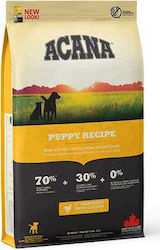
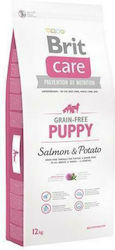
✨ Top ξηρές τροφές για κουτάβια




2. Τροφές για Ενήλικες Σκύλους (1 έως 7 ετών)
Οι ενήλικες σκύλοι χρειάζονται ισορροπημένη διατροφή για τη διατήρηση της ενέργειας και της μυϊκής τους μάζας. Η περιεκτικότητα σε θερμίδες πρέπει να είναι προσαρμοσμένη στο επίπεδο δραστηριότητάς τους.
Διάκριση ανά ράτσα:
- Μικρόσωμες φυλές: Χρειάζονται τροφή με μικρές κροκέτες, πλούσια σε πρωτεΐνες και λιπαρά για να καλύψουν τον υψηλό μεταβολισμό τους. Λόγω του μικρού τους μεγέθους, πρέπει να έχουν υψηλή θρεπτική αξία σε μικρό όγκο.
- Μεσαίες φυλές: Έχουν ανάγκη από μια ισορροπημένη διατροφή που να υποστηρίζει τη μυϊκή τους δύναμη και την ενέργεια που χρειάζονται. Οι τροφές τους είναι σχεδιασμένες για να καλύπτουν τις καθημερινές τους ανάγκες, χωρίς υπερβολική πρόσληψη θερμίδων.
- Μεγαλόσωμες φυλές: Χρειάζονται τροφή που υποστηρίζει την υγεία των αρθρώσεων και των συνδέσμων τους. Η διατροφή τους πρέπει να είναι πλούσια σε γλυκοζαμίνη και χονδροϊτίνη, ενώ η θερμιδική πρόσληψη πρέπει να είναι ισορροπημένη για να αποφεύγεται η παχυσαρκία.
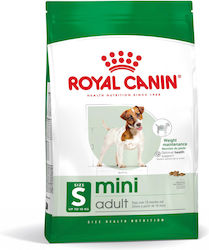
✨ Top ξηρές τροφές για ενήλικες σκύλους



3. Τροφές για Γηραιούς Σκύλους (7+ ετών)
Οι γηραιοί σκύλοι έχουν ανάγκη από τροφή χαμηλότερη σε θερμίδες και λιπαρά για να διατηρούν ένα υγιές βάρος, αλλά υψηλότερη σε φυτικές ίνες για την υποστήριξη της πέψης. Η διατροφή τους είναι συχνά εμπλουτισμένη με αντιοξειδωτικά για την ενίσχυση του ανοσοποιητικού.
Διάκριση ανά Ράτσα:
- Μικρόσωμες φυλές: Καθώς ζουν περισσότερο, οι μικρόσωμοι σκύλοι συχνά χρειάζονται ειδική διατροφή για την υποστήριξη της καρδιάς και την υγεία των δοντιών τους. Οι μικρές κροκέτες βοηθούν στη διευκόλυνση της μάσησης.
- Μεσαίες φυλές: Οι γηραιοί σκύλοι μεσαίων ρατσών χρειάζονται ισορροπημένη τροφή που να υποστηρίζει την κινητικότητα και να προλαμβάνει την απώλεια μυϊκής μάζας.
- Μεγαλόσωμες φυλές: Είναι πιο επιρρεπείς σε αρθριτικά και κινητικά προβλήματα. Χρειάζονται τροφή που περιέχει γλυκοζαμίνη και χονδροϊτίνη για τη διατήρηση της υγείας των αρθρώσεων και με χαμηλότερες θερμίδες για την αποφυγή της παχυσαρκίας.
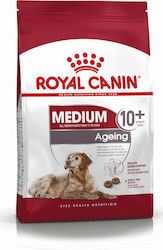
✨ Top ξηρές τροφές για ηλικιωμένους σκύλους



Ιδιαίτερα χαρακτηριστικά τροφών
Έπειτα, υπάρχουν και ορισμένα έξτρα χαρακτηριστικά στις τροφές που ίσως να θες να προσθέσεις, ανάλογα τις ανάγκες του:
- Χωρίς σιτηρά (Grain Free) & με λίγα σιτηρά: Iδανικές για σκύλους με αλλεργίες ή ευαισθησίες στα σιτηρά, και σκύλους που προτιμούν γευστικά την μικρότερη περικτικότητα σιτηρών.
- Τροφές ενέργειας: Κατάλληλες για ενεργητικούς ενήλικες σκύλους. Περιέχουν υψηλά επίπεδα πρωτεΐνης και λιπαρών, προσφέροντας την ενέργεια που χρειάζονται για τις καθημερινές τους δραστηριότητες.
- Τροφές για στειρωμένους σκύλους: Προσαρμοσμένες για σκύλους με χαμηλότερο μεταβολισμό μετά τη στείρωση. Έχουν μειωμένες θερμίδες και λιπαρά για τη διατήρηση ενός υγιούς βάρους.
- Υψηλής ποιότητας (Premium): Περιέχουν συστατικά ανώτερης ποιότητας, πλούσιες σε ζωικές πρωτεΐνες και απαλλαγμένες από τεχνητά πρόσθετα. Προάγουν τη γενική ευεξία και την υγεία του τριχώματος και του δέρματος.
- Διαίτης (Light): Ιδανικές για σκύλους με τάση για παχυσαρκία. Έχουν χαμηλότερη περιεκτικότητα σε θερμίδες και λιπαρά, αλλά είναι πλούσιες σε φυτικές ίνες για να βοηθούν στην αίσθηση κορεσμού.
- Χωρίς γλουτένη (Gluten Free): Κατάλληλες για σκύλους με δυσανεξία στη γλουτένη ή ευαισθησίες στην πέψη. Χωρίς συστατικά όπως το σιτάρι, περιέχουν εναλλακτικές πηγές υδατανθράκων.
➡ Θα τις βρεις όλες εδώ:
-
 Χωρίς σιτηρά
-
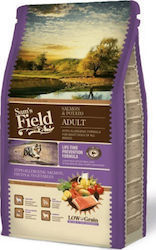 Με λίγα σιτηρά
-
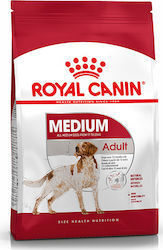 Ενέργειας
-
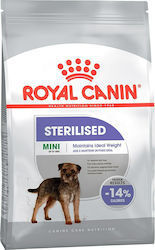 Για στειρωμένους
-
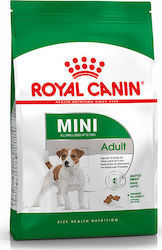 Υψηλής Ποιότητας
-
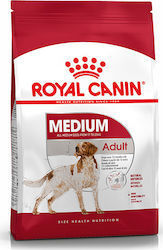 Διαίτης
-
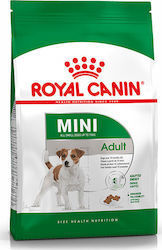 Χωρίς γλουτένη

Ειδική διατροφή: Στοχευμένες λύσεις για κάθε ανάγκη
Τέλος, υπάρχουν και σκύλοι με ιδιαιτερότητες, που αντιμετωπίζουν κάποια συγκεκριμένη πάθηση ή έχουν κάποια ευαισθησία στον οργανισμό τους. Η ειδική διατροφή μπορεί να παίξει καθοριστικό ρόλο στη βελτίωση της ποιότητας ζωής ενός τέτοιου σκύλου, βοηθώντας τον να αντιμετωπίσει προβλήματα υγείας, όπως αλλεργίες, γαστρεντερικές διαταραχές, διαβήτη, και πολλά άλλα. Οι συχνότερες ειδικές τροφές, αφορούν τις παρακάτω περιπτώσεις:
- Για Αρθρώσεις: Σχεδιασμένες για σκύλους με προβλήματα στις αρθρώσεις ή κινητικές δυσκολίες, όπως δυσπλασία ισχίου ή αρθρίτιδα.
- Για Γαστρεντερικές Διαταραχές: Κατάλληλες για σκύλους με ευαίσθητο στομάχι, διάρροια ή άλλες πεπτικές διαταραχές. Περιέχουν εύπεπτα συστατικά, προβιοτικά και πρεβιοτικά για την υποστήριξη της υγείας του εντέρου.
- Για Δέρμα & Τρίχωμα: Ιδανικές για σκύλους με δερματικές ευαισθησίες ή ξηρό τρίχωμα. Είναι εμπλουτισμένες με ωμέγα-3 και ωμέγα-6 λιπαρά οξέα, βιταμίνη Ε και άλλα θρεπτικά συστατικά, που ενισχύουν την υγεία του δέρματος και τη λάμψη του τριχώματος.
- Για Διαβήτη: Σχεδιασμένες για τη ρύθμιση των επιπέδων γλυκόζης στο αίμα. Περιέχουν χαμηλότερους υδατάνθρακες και υψηλότερη περιεκτικότητα σε πρωτεΐνες, υποστηρίζοντας τη σταθεροποίηση του σακχάρου και τη διαχείριση του βάρους.
- Για Ηπατικές Παθήσεις: Κατάλληλες για σκύλους με προβλήματα στο ήπαρ. Έχουν μειωμένη περιεκτικότητα σε πρωτεΐνες, αλλά είναι υψηλές σε εύπεπτα λιπαρά και αντιοξειδωτικά, ώστε να μειώσουν την πίεση στο ήπαρ.
- Για Νεφροπάθειες: Σχεδιασμένες για σκύλους με νεφρική ανεπάρκεια ή άλλα προβλήματα στα νεφρά. Περιέχουν χαμηλή περιεκτικότητα σε φώσφορο και πρωτεΐνες, ενώ είναι εμπλουτισμένες με αντιοξειδωτικά για την υποστήριξη της υγείας των νεφρών.
- Για Ουροποιητικό: Ιδανικές για σκύλους με προβλήματα στο ουροποιητικό σύστημα, όπως ουρολιθίαση ή λοιμώξεις του ουροποιητικού. Βοηθούν στη διατήρηση ενός υγιούς pH στα ούρα και μειώνουν τον κίνδυνο σχηματισμού κρυστάλλων.
- Υποαλλεργική: Κατάλληλες για σκύλους με τροφικές αλλεργίες ή ευαισθησίες. Περιέχουν περιορισμένα συστατικά και εναλλακτικές πρωτεΐνες, όπως κουνέλι ή ψάρι, για τη μείωση των αλλεργικών αντιδράσεων και την ενίσχυση της υγείας του δέρματος και του πεπτικού.
➡ Θα τις βρεις όλες εδώ:
-
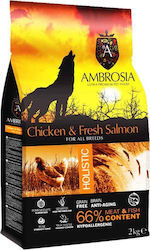 Για αρθρώσεις
-
 Για το γαστρεντερικό
-
 Για δέρμα & τρίχωμα
-
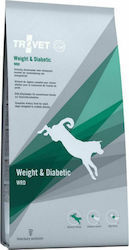 Για διαβήτη
-
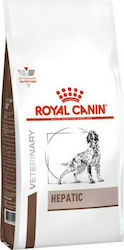 Για ηπατικές παθήσεις
-
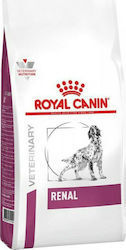 Για νεφροπάθειες
-
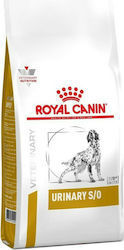 Για το ουροποιητικό
-
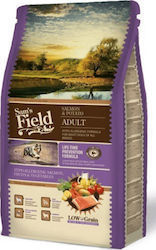 Υποαλλεργικές


Η υγεία του σκύλου σου είναι άμεσα συνδεδεμένη με τη διατροφή του, και η επιλογή της κατάλληλης τροφής μπορεί να βελτιώσει σημαντικά την ποιότητα της ζωής του, κάνοντάς τον πιο υγιή, χαρούμενο και γεμάτο ενέργεια.
Ελπίζουμε αυτός ο οδηγός να σε βοήθησε να κατανοήσεις τις ανάγκες του και να βρεις την καλύτερη διατροφική λύση για την ευεξία του!
Σχετικά Άρθρα
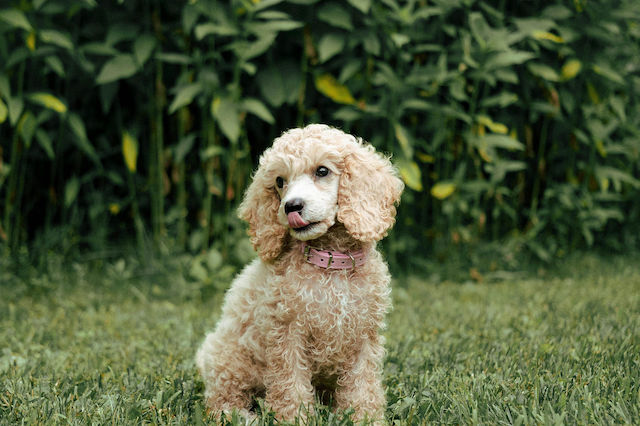
Τρίχες παντού; 4 + 1 tips για να περιορίσεις την τριχόπτωση του σκύλου σου!
Παγκόσμια Ημέρα Γάτας: Fun facts & χρήσιμα προϊόντα για κάθε γατο-γονέα!

Gadgets για ζώα: Τα καλύτερα gadget & συσκευές για κατοικίδια
Άφησε πρώτος το σχόλιό σου!