

Ce sunt acizii grași și ce oferă organismului?
Acizii grași nesaturați sunt o categorie de nutrienți, esențiali pentru menținerea unei stări bune de sănătate și pentru funcționarea normală a organismului.
Se împart în:
Acizi grași mononesaturați (Omega-9): Pot fi sintetizați în mod normal de către organism.
Acizi grași polinesaturați (Omega-3 & Omega-6): Sunt denumiți acizi grași esențiali, deoarece organismul nu îi poate sintetiza singur și trebuie obținuți prin alimentație. Au un rol structural în membranele celulelor.
✅ Unde contribuie?
- Inimă, Creier & Vedere: Acizii grași Omega-3 (EPA și DHA) contribuie la funcționarea normală a inimii, iar DHA contribuie la menținerea funcționării normale a creierului și a vederii.
- Nivelul Colesterolului: Înlocuirea grăsimilor saturate cu grăsimi nesaturate în alimentație contribuie la menținerea nivelurilor normale de colesterol în sânge.
- Sănătatea Pielii: Acidul linoleic (LA - Omega-6) contribuie la menținerea stării normale a pielii în cadrul unei diete echilibrate.
✨ Care sunt cele mai potrivite opțiuni de suplimente în funcție de fiecare situație?
Întărirea sistemului imunitar


Îmbunătățirea nutriției
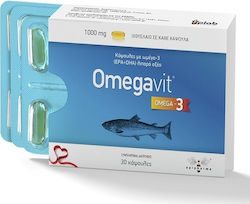




Sănătatea articulațiilor


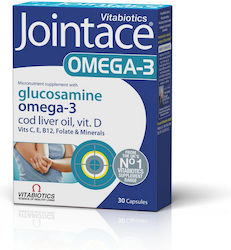

Îngrijirea pielii


Sport:



«Suplimentele alimentare nu trebuie utilizate ca substitut al unei diete echilibrate. Acest produs nu este destinat prevenirii, tratării sau vindecării unei boli umane. Consultați medicul dumneavoastră dacă sunteți însărcinată, alăptați, urmați un tratament medicamentos sau aveți probleme de sănătate.»
Articole relevante

Ce sunt probioticele și cum ajută organismul?

Probiotice pentru antibiotice

💪 Ce sunt electroliții și cum ajută organismul
fii primul care lasă un comentariu