

Everything You Need to Know to Choose the Right Boxing Gloves!
If you’re fascinated by boxing and thinking of getting started, this guide will help you make the right choice!
Boxing gloves are the most essential piece of your equipment, whether you’re training on the heavy bag, sparring, or stepping into the ring for a match.
Below, we’ll look at which type of gloves is right for each use, how material, weight, and size affect your performance and protection, and what other equipment you’ll need. Let’s go through everything in detail so we can answer all your questions!

First of all, decide what you need the gloves for, as this is the most important factor when choosing a pair.
1. Gloves for bag training
For bag training, you need bag gloves that can withstand intense, repetitive punches while protecting your hands. Firmer padding absorbs impact and protects your fingers and wrists, while palm reinforcement helps stabilise your punches and maintain proper technique, reducing the risk of injury.
The material is just as important. The intense friction against the bag calls for durable materials: leather gloves retain their shape and last longer with frequent use, while high-density synthetic leather gloves (PU) are lighter and easier to clean.
Ideal sizes:
- 10 oz: for light use and a faster pace
- 12 oz: for general use
- 14 oz: if you weigh over 75 kg or train more intensely
Details that make a difference: choose gloves with a secure Velcro closure that properly stabilises your wrist, and good ventilation to prevent moisture from building up during training. Lighter gloves (10–12 oz) also allow for a faster pace and provide better feel when punching.

Shop gloves for bag training


2. Sparring gloves
Sparring is a training bout between two athletes under conditions similar to a real match, but with control and protective gear. Safety for both athletes is the priority, since training focuses on technique and proper contact, not power. That’s why sparring gloves should provide extra protection and good shock absorption.
Compared with bag gloves, they are usually softer and heavier, helping reduce the impact of punches. The padding is thicker and evenly distributed, while wrist support plays a crucial role.
Ideal sizes:
- 14 oz: for general use
- 16 oz: for more intense training or if you weigh over 75 kg
Genuine leather offers durability and a better feel, while high-quality synthetic leather (PU) is also highly durable.

Shop sparring gloves




3. Competition gloves
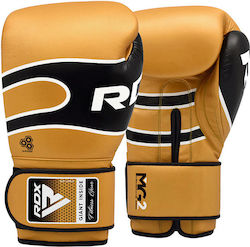
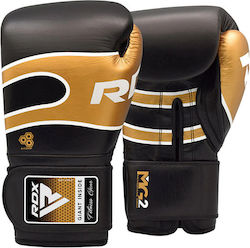
Competition gloves are designed for official bouts and differ quite a bit from training gloves: they are lighter, more compact and have less padding, prioritizing speed. Their weight is set by the rules of each competition, depending on the weight class, and usually ranges from 8 to 12 oz.
The closure also depends on the competition: amateur bouts typically use approved Velcro gloves, while professional boxing mainly uses lace-up gloves, which provide a tighter fit but require help to lace up.
SkroutzTip: Before buying competition gloves, ask your club or federation which gloves are approved for the competition you’re interested in.
4. Choosing the right size
Boxing gloves are measured in ounces (oz), and the right size depends on your weight and how you plan to use them. The larger the glove, the more cushioning it offers, better protecting both your hands and your opponent.
Adult size guide based on weight:
For young athletes, there are kids’ boxing gloves, which are lighter and smaller for a better fit.
Size guide for children, based on weight and age:
5. What else you’ll need
When you start boxing, you’ll need some basic equipment in addition to gloves to ensure your training is safe and comfortable.
Hand wraps
Hand wraps are always worn under your gloves during every bag, pad or sparring session:
- They stabilize your wrist and protect it from twisting during punches.
- They absorb impact, like an extra layer of cushioning under your gloves.
- They absorb sweat and help keep the inside of your gloves drier.
- They improve the fit, so your hand doesn’t move around inside the glove.
Headgear
Headgear reduces the impact of punches to your forehead, cheekbones and ears and helps you get used to contact. It is essential for sparring and any training where there is a chance of being hit in the head. For children and teenagers, it is recommended for almost every session with an opponent. Make sure it doesn’t slip, feel too tight or restrict your vision.
- Open-face headgear provides better visibility.
- Full-face headgear, with cheek protection, offers greater safety.
Mouthguard
A mouthguard protects your teeth from punches and reduces the risk of injuries to your lips and tongue by absorbing some of the impact.
Boxing shoes
Boxing shoes have a thin, flat sole for direct contact with the floor and good grip, allowing you to move quickly forwards, backwards and sideways with a stable footing. They are lightweight, and many models support the ankle without restricting movement. They should fit snugly but comfortably, without squeezing your toes, and be made from breathable fabric.
Below, you’ll find all the basic equipment:
6. How to keep your gloves clean and odor-free
- After every workout, open your gloves fully and leave them to air out in a shaded spot, not inside your bag. Wipe the inside with a dry or slightly damp cloth and, if you like, spray it with a mild antibacterial spray or a solution of water and a little vinegar.
- Once or twice a week, clean the outside with a damp cloth and mild soap, especially if the gloves are made of synthetic leather. If they’re made of genuine leather, use a specialist cleaner and, occasionally, leather conditioner to keep the material from cracking.
- To tackle odors, moisture-absorbing sachets, baking soda wrapped in cloth, or specialist glove deodorizers can help a lot.
SkroutzTip: Always wear hand wraps: they significantly reduce the sweat that gets into your gloves and keep them fresh for longer.

Don't forget! By choosing what suits your training style—considering how you’ll use them, the material and the size—you’ll find the gloves that are right for you. Before deciding, take a look at other users’ reviews too. Their experiences may help you make your choice much more easily.
This article was created with the help of AI and reviewed and edited by the Skroutz team.
Relevant Articles

Be the first to leave a comment!