

Enzyme Supplements Buying Guide
Are you looking for support for the smooth process of digestion and the management of your meals? In this buying guide, you will learn how to choose the right dietary supplement based on its type, content, and form.
✨ What Are Enzymes?
Enzymes are specialized proteins produced by living organisms and function as biological catalysts. They coordinate and accelerate chemical reactions in the body, including the breakdown of food during the digestion process.

✨ Type - What exactly do you need?
A) Coenzyme Q10 Supplements
Q10 (Ubiquinone): Coenzyme Q10 is a natural component found in the body’s cells. It is a popular choice for supplementing the daily diet.
Q10 Ubiquinol (Ubiquinol): This is the reduced/active form of CoQ10, offering high bioavailability and direct utilization by the body, especially in older ages.
B) Digestive Enzymes
Digestive Enzymes (Digestive Enzymes): Broad-spectrum blends that usually contain amylase, protease, and lipase. They support the normal breakdown of macronutrients (carbohydrates, proteins, fats) after meals.
Lactase (Lactase): Specialized enzyme. The lactase enzyme improves the digestion of lactose in people who have difficulty digesting lactose (it should be taken with every meal containing lactose).
C) Plant-Based & Proteolytic Extracts (Bromelain, Serrapeptase, Nattokinase)
Bromelain (Bromelain): Natural proteolytic enzyme extracted from pineapple and traditionally used in dietary supplements.
Serrapeptase (Serrapeptase): High-potency proteolytic enzyme taken in specialized nutritional formulas.
Nattokinase (Nattokinase): Enzyme produced by soy fermentation (natto) and a popular plant-based ingredient in dietary supplements.
Find the Right Type of Enzyme Based on Your Needs
-
 Q10
Q10
-
 Bromelain
-
 Digestive Enzymes
-
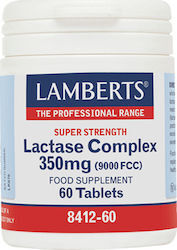 Lactase
-
 Serrapeptase
-
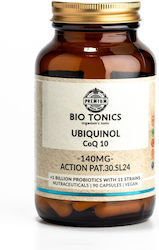 Q10 Ubiquinol
-
 Nattokinase


✨ Content in mg
- Coenzyme Q10 & Ubiquinol: Typical daily doses of CoQ10 range from 50 mg to 200 mg, depending on individual intake needs.
- Digestive Enzymes: Broad-spectrum complexes usually contain 300 mg to 500 mg of enzyme blend per capsule for accompanying intake with meals.
- Lactase: Activity is measured in ALU units (Acid Lactase Units). The appropriate dose is determined by the amount of lactose consumed (indicatively 4,500–9,000 ALU per meal).
- Proteolytic Enzymes (Bromelain, Serrapeptase, Nattokinase): Dosage is determined by activity units (GDU, SPU, FU respectively) and the manufacturer's instructions.
Which Enzyme Should You Choose?
✨ Form
- Capsules (including gastro-resistant): Protect the enzymes from stomach acids for targeted release in the intestine.
- Oral Form / Powder: An ideal choice for people with difficulty swallowing or for dosage adjustment.
- Chewable Tablets: A common form for lactase, taken with the first bite of a meal containing dairy products.
- Tablets / Pills: A classic form taken with water before the meal.
“Food supplements do not replace a balanced diet. Do not exceed the recommended daily dose. Keep out of reach of small children. Consult your doctor if you are pregnant, breastfeeding, taking medication, or have health problems.”
“Products may bear an EOF Notification Number. The Notification Number does not serve as a marketing authorization from EOF. Always check the packaging of each product.”
Relevant Articles
💪 What Are Electrolytes & How Do They Help the Body
Buying Guide: What Are Fat Burners and What to Look Out for Before You Buy
What are probiotics and how do they benefit the body?
Be the first to leave a comment!