

How to Choose the Right Bicycle
Want to buy a bike but don't know how to choose? We're here to teach you the secrets!
Choosing the right bicycle starts with knowing exactly where you plan to ride and ends with finding the right geometry for your body proportions.
1. Choose a type based on how you’ll use it
Before looking at sizes, decide what kind of terrain you’ll be riding on most often:
City / Fitness / Trekking: Choose this type if you want a comfortable, upright riding position for your daily commute, rides around town, or easy dirt roads. These bikes usually make it easy to fit racks, mudguards, and lights.
Road (Road Bike): Ideal if you’re interested in speed, training, and covering long distances exclusively on paved roads. It offers a forward-leaning, aerodynamic riding position.
Gravel: Choose this type if you like the feel of a road bike but want to venture confidently onto dirt, gravel, and forest trails. It’s one of the most versatile bikes available today and is also excellent for bikepacking.
Mountain Bike (MTB): The go-to choice for steep trails, descents, and rough terrain. It has wide, knobby tires and suspension (front or full).
2. Find the right frame size
The biggest mistake is choosing a size based only on your overall height. The most important measurement is your inseam.
How to measure your inseam:
Take off your shoes and stand with your back against a straight wall, with your feet about 15–20 cm apart.
Place a hardcover book between your legs, spine facing up, and pull it firmly upwards until it presses against your pelvic bone (as a saddle would).
Using a tape measure, measure the distance from the top of the book’s spine to the floor.
3. Adjust the bike properly
Even the right frame needs fine-tuning to prevent knee, neck or wrist pain.
Saddle height: Sit on the saddle and place your heel on the pedal when it is at the lowest point of its rotation. Your leg should be fully extended. That way, when you pedal normally with the ball of your foot (the metatarsal area), your knee will have the correct slight bend (about 25°–30°).
Horizontal saddle position: With the pedals parallel to the ground (at the 3 and 9 o’clock positions), your front knee should be aligned vertically with the axle of the front pedal.
Handlebar reach: When holding the handlebars, your elbows should remain slightly bent and relaxed. If you feel yourself sliding forward on the saddle or stretching your shoulders too far, the bike is too long for you.
✨ Quick guide based on your height
Find the perfect bike for your needs!
-
 Mountain Bike
-
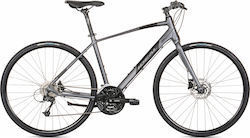 Racing bicycles
-
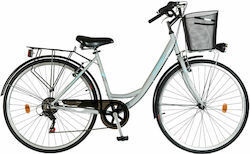 City Bikes
-
 Trekking Bicycles
-
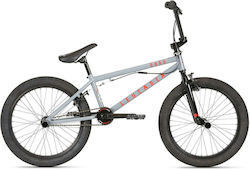 BMX Bicycles
-
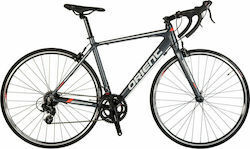 Gravel Bikes


Relevant Articles

Practical rules for choosing the right electric bicycle
Buying Guide for Hiking Shoes

The Best Hiking Shoes

Be the first to leave a comment!