

Automatic Irrigation: Choose the Right System for Your Needs!
A ready-made automatic irrigation kit is the quickest way to ensure your plants are cared for while you’re away, while also saving up to 70% water compared with traditional hose watering.
To choose the right kit without wasting money, you first need to understand how the system works and identify the specific needs of your space.

Anatomy of a Kit: How It Works and What It Includes
1. The system’s “brain”
- Battery-Powered Tap Timer: The number-one choice for balconies and small gardens. It screws directly onto the tap and operates independently using standard alkaline batteries. You simply set the start time, duration (e.g. 10 minutes) and frequency (e.g. every day or every 2 days).
- Mains-Powered Controller & Solenoid Valves: Used in medium-sized and large gardens. The main controller is usually installed in a covered area (e.g. a garage or shed) and plugged into a power outlet. It then sends an electrical signal to the solenoid valves (usually hidden in underground valve boxes), which open automatically one at a time for each watering zone.
2. Pipes & Protective Components
- Main Irrigation Pipe (16 mm): The main black pipe that starts at the tap and runs past all the pots or garden beds.
- Auxiliary Tubing (6 mm “spaghetti” tubing): Thin, flexible tubing that carries water from the main pipe to each pot.
- Pressure Reducer (Regulator): Installed immediately after the controller. It reduces the high pressure in the mains (which can reach 4–6 bar) to a safe level (around 1.2–1.5 bar), preventing the tubing and drippers from popping off.
- In-Line Filter: Traps soil, limescale and debris from the water supply to prevent the emitters from clogging.
- Hole Punch: The special spike-like tool used to make small, clean holes in the 16 mm main pipe, where you insert the take-off connectors for the thin tubing.
- End Cap (figure-eight or screw-on type): Fitted to the end of the main pipe to seal the line.
3. Water outlets: How plants are watered
Drippers: Ideal for pots, planters and trees. They deliver water drop by drop directly to the soil without wetting the leaves:
Adjustable drippers: Turn the head to give more water to large pots and less to small ones.
Pressure-compensating drippers: Deliver exactly the same steady amount of water (e.g. 2 or 4 liters per hour), regardless of whether the pot is at the beginning or the end of the balcony.
Sprinklers / Pop-up Sprinklers: Used exclusively for lawns and turf. They are buried in the ground and rise under water pressure, spraying evenly like artificial rain.

Find the Ideal Watering System for Your Plants:

Smart Features & Timer Automation
Mechanical (with analog dials):
- Set the frequency (e.g. every 12 hours) and duration (e.g. 5 minutes).
- Extremely simple and reliable—ideal if you don’t want complicated settings.
Digital (with LCD screen):
Offers second- or minute-level precision, the option to select specific days of the week, and multiple cycles per day.
Smart / Wi-Fi / Bluetooth:
Controlled via a mobile app. They let you check, start, or adjust watering from anywhere, with ease, using your phone, or monitor water consumption.

Golden Rules for a “Pro” Result
Best time to water: Set the system to water early in the morning (5:00–7:00 a.m.). The water won’t evaporate in the heat, it will soak deep into the roots, and the leaves won’t be at risk of fungal diseases encouraged by evening watering.
Replace the battery every spring: Fit the timer with a new, high-quality alkaline battery at the start of each season, even if the old one still appears to have power. That way, you can relax while you’re away on your summer vacation.
Don’t connect endless pots to a single thin tube: Don’t try to connect 15 pots in a row using only thin 6 mm tubing, as the last ones won’t get a drop. Always use a 16 mm mainline and run a separate branch to each plant.
Frost protection: Before the first severe winter frosts, turn off the water supply, unscrew the timer from the tap, remove the battery, and store it indoors. When water freezes, it expands, which is the main reason the timer’s internal components break.
Automatic Watering System Set
-
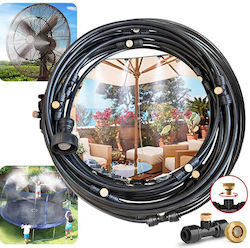 Mist Cooling Systems
-
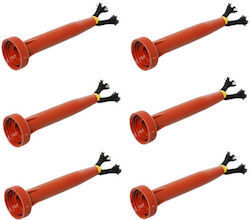 Slow Watering
-
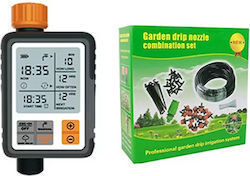 With Irrigation Timer
Relevant Articles
Tips to Become a Successful Gardener
4+1 Mistakes You Make with the Lawn
Tips to Keep Your Plants Alive and Healthy While You’re on Vacation
Be the first to leave a comment!