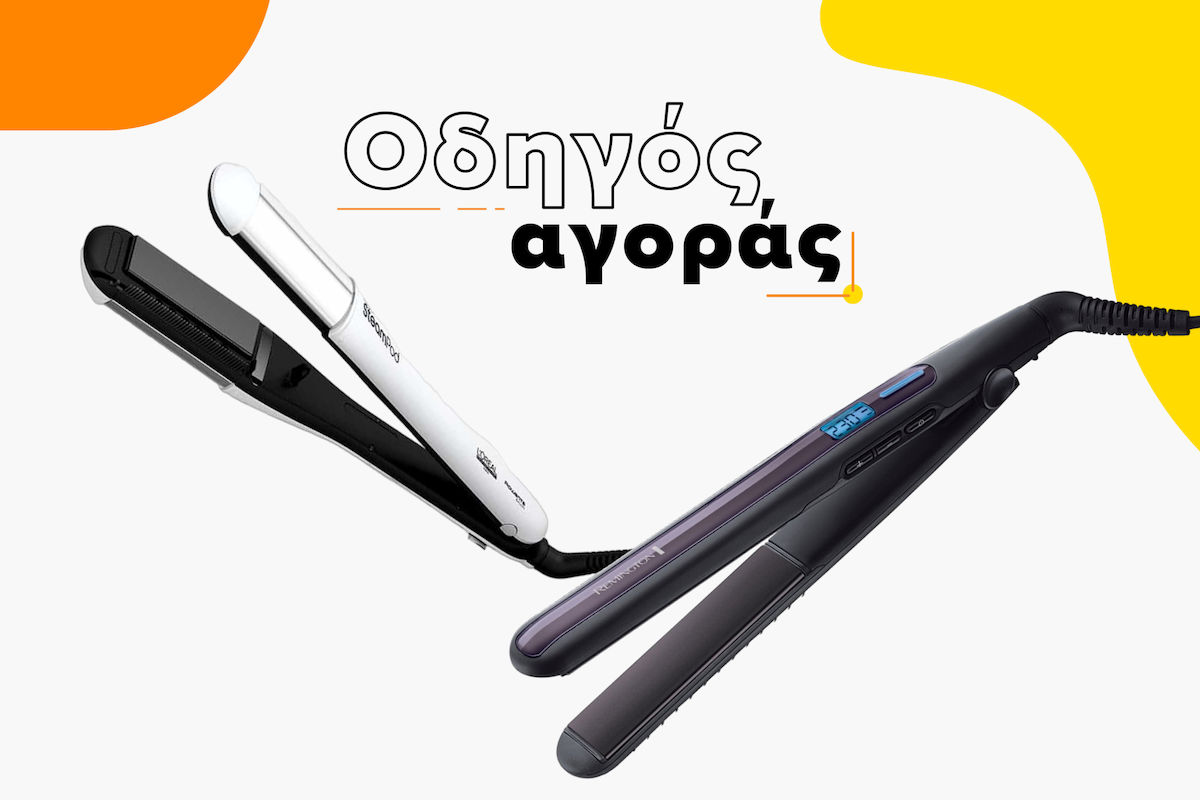

Alege placa de păr potrivită pentru tine!
"Ce placa de indreptat parul ar trebui să aleg?" Ghid complet!
Investiția într-un fer de călcat părul de calitate poate să îți ofere rezultate de salon, fără costurile și neplăcerile aferente. Alegerea celui potrivit este dificilă din cauza multitudinii de producători, materialelor diferite, tehnologiilor și caracteristicilor pe care trebuie să le iei în considerare! La sfârșitul acestui ghid, vei fi bine informat pentru a alege ferul de călcat potrivit care îți va oferi coafura visată.
Descifrând tipurile de plăci de îndreptat
Când vine vorba de plăci de îndreptat, materialul plăcilor încălzitoare și tehnologia pe care o folosesc joacă un rol important în performanța lor. Diferitele materiale au proprietăți unice care pot influența cât de bine îți îndreaptă părul, durabilitatea aparatului și chiar prețul.
- Plăci ceramice: Plăcile ceramice distribuie căldura lent și uniform, așa că, dacă ai părul deteriorat sau sensibil, sunt o alegere bună. O placă de îndreptat ceramică poate să nu fie întotdeauna cea mai rapidă opțiune de styling, dar va fi cea mai sigură pentru păr.
- Plăci de titan: Titanul este o alegere populară pentru părul des, gros și creț, datorită capacității sale excelente de a distribui eficient și uniform căldura. Plăcile din titan se încălzesc rapid, ceea ce le face ideale pentru retușuri de ultim moment, în doar câteva secunde.
- Plăci de turmalină: Plăcile acoperite cu mineralul turmalină alunecă mai ușor pe firul de păr și lasă părul strălucitor, moale și mătăsos.
- Cu abur: Plăcile de îndreptat părul cu abur reprezintă o evoluție în tehnologia de îndreptare. Pe măsură ce îți îndrepți părul, aburul pătrunde în fir, oferind hidratare și reducând deteriorarea cauzată de căldură. Acest lucru duce la un păr mai strălucitor, mai moale și mai sănătos.
- Cu aer: Plăcile de îndreptat părul cu aer combină funcția de îndreptare cu posibilitatea uscării simultane. Ele emit aer cald, uscând părul și îndreptându-l în același timp, economisind astfel timp!

Setări de căldură și controlul temperaturii
Este bine să alegeți un aparat de îndreptat părul cu căldură reglabilă, astfel încât să îl puteți adapta tipului dumneavoastră de păr.
- Pentru părul subțire, fragil sau deteriorat, optați pentru temperaturi mai mici. (120°C - 150°C)
- Pentru părul gros, dens sau creț, sunt necesare temperaturi mai ridicate. (180°C - 230°C)
Găsirea temperaturii potrivite pentru tipul dumneavoastră de păr poate fi o provocare, dar merită! Când temperaturile sunt prea scăzute, poate fi necesar să faceți mai multe treceri, ceea ce poate duce la deteriorarea părului. Temperaturile care sunt prea ridicate de asemenea solicită părul. Temperatura potrivită va fi suficient de ridicată pentru a coafa dintr-o singură trecere și suficient de scăzută pentru a minimiza deteriorarea.
În orice caz, experții noștri subliniază importanța utilizării unei forme de protecție termică înainte de a folosi orice instrument de coafat pe păr.
Protecție termică pentru păr!


Dimensiune și formă
Dimensiunea și forma plăcilor joacă un rol decisiv în flexibilitatea pentru diferite tehnici de styling.
- Plăcile mai late sunt foarte utile pentru cei care au păr mai lung și mai des. În esență, pot prinde mai mult păr și îl pot încălzi cu mai puține treceri.
- Dacă aveți păr scurt, foarte tratat sau subțire, veți dori plăci mai înguste care aplică mai puțină căldură.
- Plăcile plate au o suprafață uniformă care îți permite să aluneci ușor cu fierul de-a lungul părului, îndreptându-l eficient.
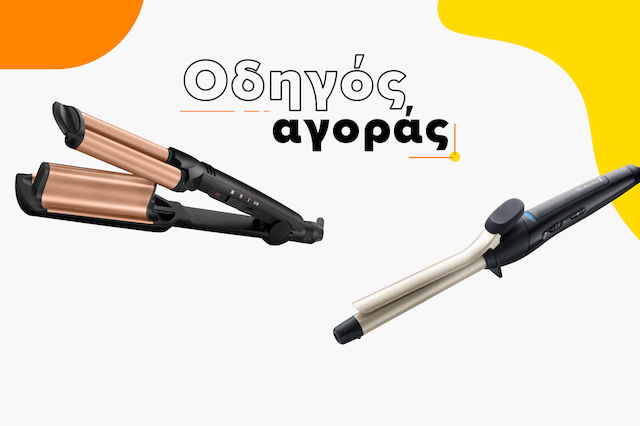
- Plăcile rotunjite sunt versatile și potrivite atât pentru îndreptare, cât și pentru crearea de bucle sau unde. Marginile lor curbate îți permit să înfășori părul în jur pentru a obține aspecte diferite.
- Extra Tip! Acordă atenție și mânerului plăcii, mai ales dacă intenționezi să o folosești pentru stiluri care necesită destulă rotație, cum ar fi buclele. În acest caz, aruncă o privire și la greutatea ei, deoarece va trebui să te asiguri că te simți confortabil să o ții pentru o perioadă lungă de timp.

Caracteristici de Siguranță
Când vine vorba de utilizarea uneltelor de styling termic, cum ar fi placa de păr, siguranța este de cea mai mare importanță. Dispozitivele moderne de îndreptat părul sunt echipate cu o gamă de caracteristici concepute pentru a proteja părul și a asigura o experiență de styling sigură.
- Controlul Temperaturii: Plăcile de păr cu setări de căldură ajustabile vă permit să personalizați temperatura în funcție de tipul dvs. de păr și de nevoile de styling. Acest lucru nu doar că previne expunerea excesivă la căldură, dar minimizează și riscul de supraîncălzire, care poate duce la daune ale părului. Unele modele includ, de asemenea, o funcție de blocare a temperaturii pentru a evita ajustările accidentale ale temperaturii în timpul stylingului.
- Oprire Automată: Dacă lăsați accidental dispozitivul pornit pentru o perioadă setată de timp (de obicei, în jur de 30 de minute), acesta se va opri automat. Această caracteristică ajută la economisirea energiei și previne potențiale pericole de siguranță.
- Mecanism de Blocare: Menține plăcile împreună atunci când dispozitivul nu este utilizat. Acest lucru previne accidentele, cum ar fi atingerea accidentală a plăcilor fierbinți atunci când sunt deschise.
- Cablul Rotativ: Cablul rotativ se rotește la 360 de grade la bază. Acest lucru previne încurcarea și permite mișcări mai confortabile și mai sigure în timpul stylingului.
- Carcasă Rezistentă la Căldură: Multe plăci de păr vin cu carcase rezistente la căldură, ceea ce face mai sigură depozitarea lor după utilizare.
Întreținere și Îngrijire
Pentru a menține dispozitivul dumneavoastră în condiții optime, întreținerea și îngrijirea corespunzătoare sunt esențiale. Neglijarea întreținerii instrumentului de coafat poate duce la probleme de performanță și potențiale riscuri de siguranță.
- Curățare regulată:
- Deconectați dispozitivul din priză.
- Folosiți o cârpă moale și umedă pentru a șterge ușor plăcile.
- Nu uitați să curățați exteriorul plăcii de păr.
2. Depozitare:
- Întotdeauna lăsați placa de păr să se răcească complet înainte de a o depozita.
- Evitați să înfășurați cablul strâns în jurul dispozitivului, deoarece acest lucru poate deteriora cablul în timp. Multe dispozitive de îndreptat părul vin cu o caracteristică de înfășurare sau rotire a cablului pentru o depozitare ușoară și sigură.
3. Protecția plăcilor:
- Unele dispozitive de îndreptat părul vin cu o placă protectoare. Dacă nu aveți una, luați în considerare achiziționarea uneia pentru a proteja plăcile în timpul depozitării.
- Fiți atenți când manevrați dispozitivul, mai ales cu plăcile fierbinți. Scăparea acestuia poate provoca daune.
- Evitați zgârierea plăcilor cu obiecte ascuțite. Folosiți doar cârpe moi pentru curățare.

Întrebări frecvente
Haideți să răspundem la câteva dintre cele mai frecvente întrebări despre plăcile de îndreptat părul...
- Care este temperatura ideală pentru îndreptarea părului?
Temperatura ideală pentru îndreptarea părului variază în funcție de tipul de păr:
- Păr fin sau deteriorat: 120-150°C
- Păr normal sau ondulat: 150-180°C
- Păr gros sau aspru: 180-200°C
2. Cât de des pot folosi o placă de îndreptat părul?
Frecvența utilizării depinde de starea părului tău. Dacă părul tău este sănătos, poți să o folosești de câteva ori pe săptămână. Pentru părul deteriorat sau fragil, limitează utilizarea la o dată pe săptămână sau mai puțin.
3. Pot îndrepta părul umed sau ud?
Nu, nu este sigur să îndrepți părul umed sau ud cu o placă de păr tradițională. Părul ud poate produce aburi, ceea ce poate duce la arsuri sau deteriorare. Asigură-te întotdeauna că părul tău este complet uscat înainte de a folosi placa de îndreptat.
3. Pot folosi o placă de îndreptat părul pe extensii sau peruci?
Da, poți! Folosește o setare de temperatură mai mică și manevrează-le cu grijă pentru a evita deteriorarea.
4. Cum pot preveni deteriorarea termică atunci când folosesc o placă de îndreptat părul?
- Folosește un spray de protecție termică înainte de coafare.
- Limitează utilizarea temperaturilor ridicate în funcție de tipul tău de păr.
- Investește într-o placă de îndreptat părul de calitate, cu distribuție uniformă a căldurii.
- Evită trecerile excesive peste aceleași secțiuni de păr.
5. Pot folosi o placă de îndreptat părul pe părul vopsit sau tratat chimic?
Da, poți! Totuși, fii precaut cu setările de temperatură și asigură-te că părul tău este într-o stare bună pentru a evita deteriorarea suplimentară.
6. Cât timp durează să îndrept părul?
Timpul necesar pentru a îndrepta părul depinde de lungimea și grosimea acestuia, de setarea temperaturii și de experiența ta. În medie, durează aproximativ 15-30 de minute pentru a îndrepta părul de lungime medie.
Articole relevante

Cele mai bune plăci de îndreptat părul de pe piață

Ghid de cumpărare pentru perii electrice de păr
Ghid de cumpărare pentru foarfece de păr
fii primul care lasă un comentariu