
- Top User Rated

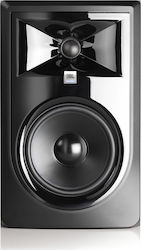
JBL 306P MkII Studio Monitor Speaker 6.5" 112W (Piece) Black
Free deliveryDay after tomorrow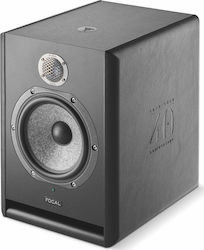
JBL Studio 630 Passive Studio Monitor Speakers 6.5" 150W Pair Brown
Free deliveryDay after tomorrowPioneer DJ DJ VM-70 Studio Monitor Speaker 6.5" 70W Black Piece
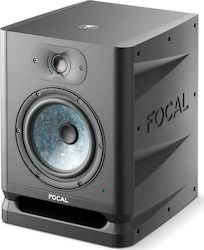
Free deliveryDay after tomorrowFocal Alpha 65 Evo Studio Monitor Speaker 6.5" 105W Black Piece
Free deliveryDay after tomorrow

Filters
Clear- Active: It has a built-in amplifier, you just connect it and it works. It is the most common choice for studio monitors.
- Passive: Requires an external amplifier to operate. Offers greater flexibility in setup, but needs additional equipment.
- 3": Very small, suitable for compact studios or desktop use.
- 4": A good choice for small spaces with limited desk space.
- 5.25": Balanced sound, ideal for small to medium studios.
- 6.5": More depth and intensity in the low frequencies, suitable for medium-sized rooms.
- 8": Powerful and full bass, ideal for larger studios or professional mixing.
- XLR: Balanced professional connection with low noise, ideal for studios.
- 1/4 TRS: Balanced connection (like XLR), often used in professional audio interfaces and consoles.
- RCA: Unbalanced connection, usually for home or hi-fi equipment.
- Bluetooth: Wireless connection for easy audio playback without cables.
- Combo XLR/TRS: A socket that accepts either XLR or TRS plugs, offering flexibility in connections.
- Headphone Output: Allows headphones to be connected directly to the speaker for listening or monitoring.
- USB: Digital connection to a computer, usually for direct audio playback or configuration via software.
- Optical: Digital connection that transmits audio without interference or loss of quality.
- 50 Watt: Suitable for small studios or home use.
- 70 Watt: Balanced choice for small to medium-sized spaces.
- 80 Watt: It offers more power and clarity in medium-sized studios.
- 100 Watt: Ideal for professional use or larger spaces.
- 150 Watt: Very high power for professional studios and powerful mixes.
- 2-Way: The speaker features two drivers, one for low/mid frequencies (woofer) and one for high frequencies (tweeter). This is the most common configuration in studio monitors.
- 3-Way: Includes three speakers, for low (woofer), mid (midrange), and high (tweeter) frequencies, offering greater accuracy and separation in sound.
- Buy through Skroutz: Products available for purchase directly through Skroutz.