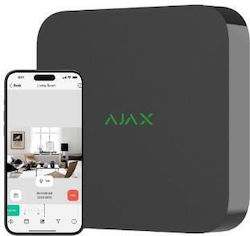
Ajax Systems NVR HAC
ONVIF, H.265, 1xSATA(Max 16TB)
Anzahl der Kanäle: 8/16460,00 €237,25 € - 355,81 €-22%PreissenkungKostenlos Lieferung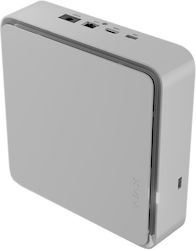

Ajax Systems HAC NVR 8 Kanälen
ONVIF, H.265, 1xSATA(Max 16TB)
310,00 €237,25 €-23%PreissenkungKostenlos Lieferung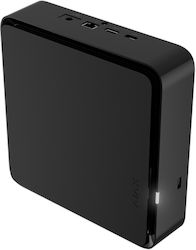
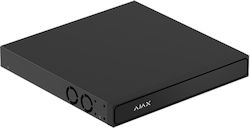
Ajax Systems H2D8PAC Überwachungsvideorekorder NVR 16 Kanäle mit Auflösung 4K
ONVIF, H.265+, 2xSATA(16TB/Pro Platte), 16xPoE
Kostenlos LieferungAjax Systems H2DAI8PAC Überwachungsvideorekorder Weiß NVR 8 Kanälen 4K
ONVIF, H.265+, 2xSATA(24TB/Pro Platte), 8xPoE
Kostenlos LieferungAjax Systems H2DAI8PAC Superior Schwarz NVR 8 Kanäle 4K
ONVIF, H.265+, 2xSATA(24TB/Pro Platte)
Kostenlos LieferungAjax Systems H2DAI2GAC Superior Schwarz NVR 8 Kanäle 4K
ONVIF, H.265+, 2xSATA(24TB/Pro Platte)
Kostenlos LieferungAjax Systems 1211-0260 NVR 16 Kanäle
ONVIF, H.265, 1xSATA(Max 16TB)
386,20 €309,24 €-19%PreissenkungKostenlos Lieferung
Filter
Klar- NVR: Aufzeichnungsgerät, das IP-Kameras und Netzwerkverbindung für die Aufnahme und Verwaltung von Videos verwendet.
- DVR: Aufzeichnungsgerät, das mit analogen Kameras zusammenarbeitet und deren Signal in digitale Form umwandelt, um es zu speichern.
- HVR: Kombination aus NVR und DVR, unterstützt gleichzeitig analoge und IP-Kameras.
- Die maximale Anzahl der Kameras, die vom Recorder verbunden und verwaltet werden können.
- Menscherkennung: Analysiert die Bewegung und erkennt die Silhouette eines Menschen. Das System sendet daher nur Benachrichtigungen bei menschlicher Anwesenheit und ignoriert Fehlalarme durch Haustiere, Blätter oder Schatten.
- Fahrzeugerkennung: Erkennt die Fahrzeugform. Geeignet für Parkplätze oder Straßen und sendet Benachrichtigungen nur für Fahrzeuge, während andere unwichtige Bewegungen ignoriert werden.
- ONVIF: Ein offenes Protokoll, das es Kameras und Recorder verschiedener Hersteller ermöglicht, miteinander zu kommunizieren. Es bietet die Flexibilität, Kameras eines Herstellers mit einem Recorder eines anderen zu kombinieren.
- PoE: Jede PoE-Port liefert Strom und Daten über dasselbe Kabel (Plug-and-Play).
- Voreingestellter HDD: Das Gerät wird mit bereits installiertem und konfiguriertem Festplattenlaufwerk geliefert.
- 4K: Die beste Wahl für absolute Details. Es ist notwendig, wenn Sie digital heranzoomen möchten, um im aufgenommenen Bild Gesichter, Nummernschilder oder Details in großen Räumen klar zu erkennen, ohne dass das Bild «zerbricht».
- Volle HD: Der Standard für den täglichen Gebrauch. Die am weitesten verbreitete Auflösung, die für die Mehrheit der Anwendungen ein sehr klares Bild bietet (Häuser, kleine Geschäfte). Sie gewährleistet ein gutes Gleichgewicht zwischen Bildqualität und Speicherplatz
- Full HD+: Deckt Auflösungen höher als das typische 1080p ab (wie 4MP und 5MP), die mittlerweile Standard bei hochwertigen Sicherheitskameras sind. Bietet deutlich bessere Klarheit als Full HD, was eine bessere Objekterkennung ermöglicht.
- HD: Geeignet hauptsächlich für ältere Kameratechnologien oder für sehr einfache Überwachung von Räumen (z. B. ein Lager), bei denen es ausreicht, die Bewegung zu sehen, ohne hohe Auflösung oder Gesichtserkennung zu benötigen.
- Bestimmt, wie viele IP-Kameras direkt an den Recorder (NVR) angeschlossen werden können und mit Strom versorgt werden. Jeder PoE-Anschluss liefert Strom und Daten über dasselbe Kabel (Plug-and-Play).
- Gigabit: Schnittstelle mit zehnmal so schneller Netzwerkgeschwindigkeit (1000 Mbps) im Vergleich zu Standard (100 Mbps). Erforderlich für Systeme mit vielen Kameras oder 4K-Kameras, da sie eine reibungslose Verwaltung des großen Datenvolumens gewährleistet.
- Die Anzahl der internen Festplatten (SATA), die gleichzeitig im Aufzeichnungsgerät installiert werden können. Die Festplatte ist nicht im Lieferumfang enthalten
- Bestimmt, wie "schwer" Bilddaten gleichzeitig verarbeitet werden können. Je höher, desto bessere Bildqualität (Bitrate) kann jede Kamera haben, ohne "Ruckler" oder Verzögerungen.
- 40: Ausreichende Leistung für einfache, häusliche Installationen. Ideal für die Aufzeichnung von Kameras mit niedriger bis mittlerer Auflösung (Full HD / 2MP) mit grundlegenden Bildeinstellungen.
- 80: Verwaltet problemlos eine typische Installation mit einer Mischung aus Full HD- und 4K-Kameras und sorgt für einen reibungslosen Bildfluss ohne Unterbrechungen.
- 160: Ermöglicht die Aufzeichnung in höchster Auflösung (4K) und höchster Bildqualität (High Bitrate), ohne das System zu überlasten und Details zu verlieren.
- 256: Entwickelt, um eine enorme Datenmenge zu verarbeiten, sodass alle verbundenen Kameras mit 100 % ihrer Möglichkeiten arbeiten können (Maximale Auflösung & Maximale Bildrate), ohne Kompromisse bei der Qualität.
- Die Technologie, die die Videodatei verkleinert. H.265+ benötigt nur die Hälfte des Speicherplatzes im Vergleich zu H.264 und bietet doppelt so viele Aufnahmetage. Gleichzeitig sind die Systeme abwärtskompatibel und unterstützen auch ältere Kameras nahtlos
- H.265+: Es ist die intelligenteste Komprimierung. Es „komprimiert“ Videodateien erheblich, ohne Qualitätsverluste. Der Vorteil: Es bietet die doppelte oder sogar dreifache Aufnahmezeit auf derselben Festplatte im Vergleich zu älteren Rekordern. Ideal für längere Backups
- H.265: Es ist der Nachfolger des alten H.264. Es ist notwendig, wenn Sie hochauflösende Kameras (4MP und höher) haben, da es die Daten viel effizienter verarbeitet, damit die Festplatte nicht sofort voll wird.
- H.264: Geeignet für die Verbindung älterer Kameras. Die Videos benötigen mehr Speicherplatz auf der Festplatte im Vergleich zu modernen (H.265), sodass der Speicher möglicherweise schneller voll wird.
- H.264+: Es ist zuverlässig, aber die Videodateien benötigen mehr Speicherplatz als H.265/H.265+. Es wird hauptsächlich für kostengünstige Systeme mit wenigen Kameras niedriger Auflösung empfohlen.