Какво да кажа първо за този говорител.
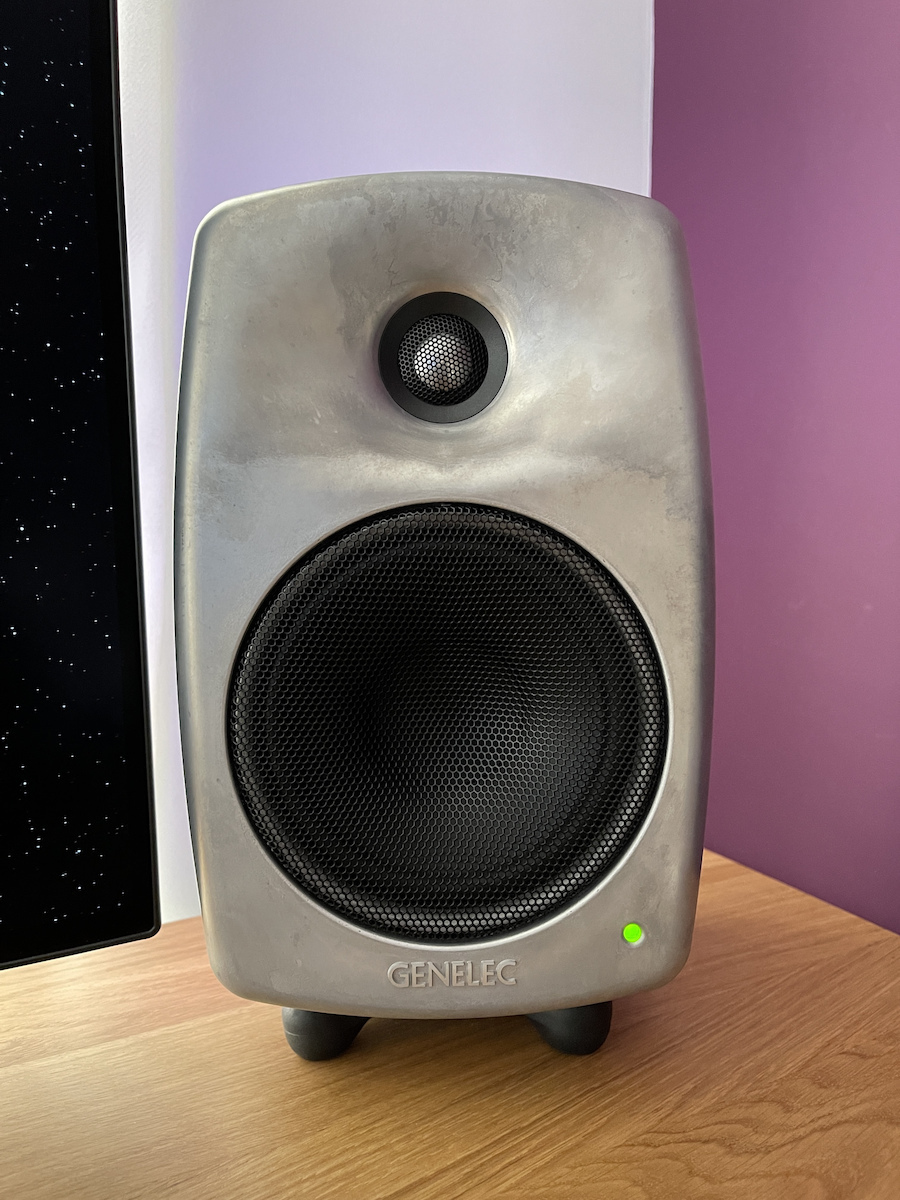
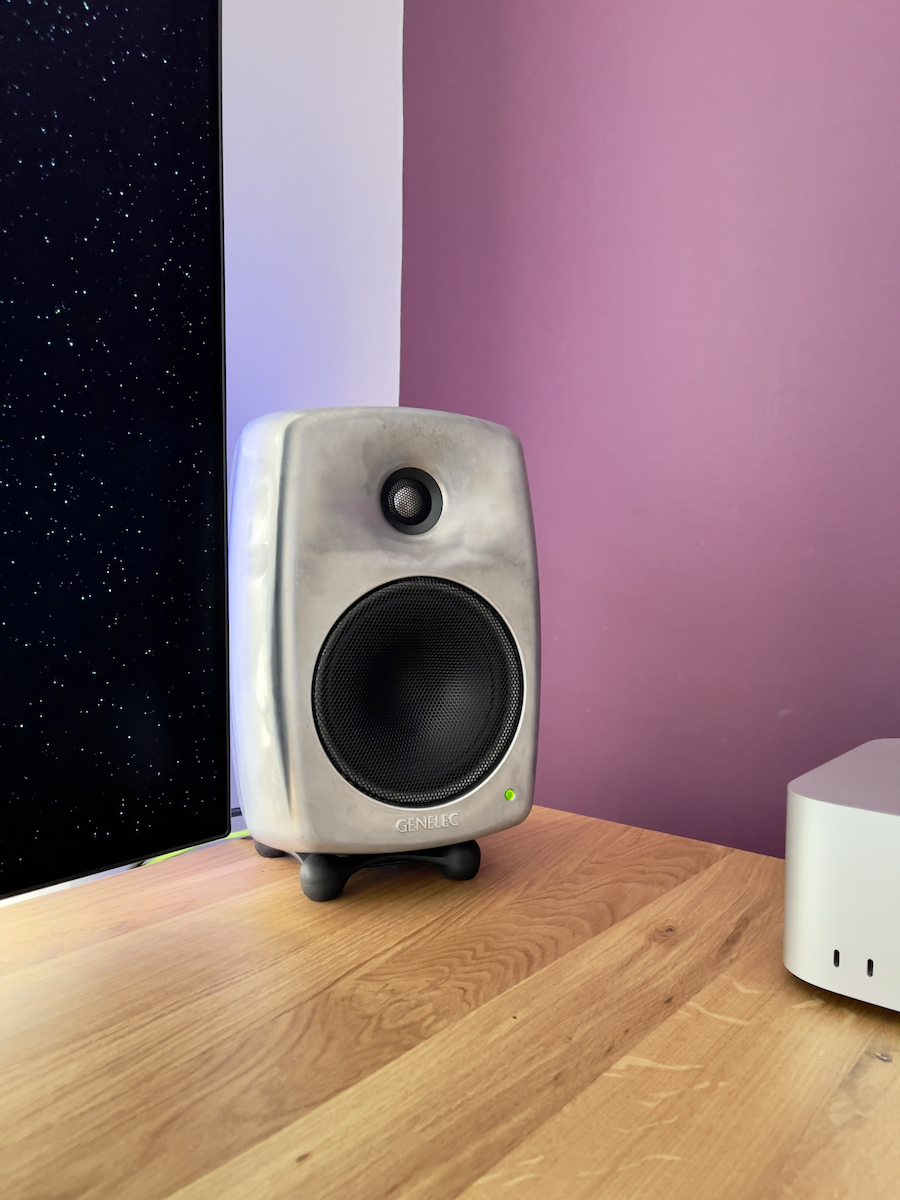
Качеството на изработката е на ниво, което надхвърля евтините монитори в ценовия диапазон от 300-500 евро за двойка, основно заради леярната алуминиева кутия, която е акустично "мъртва", за разлика от MDF, използван в по-евтините говорители, които обикновено имат резонанси на определени честоти (независимо дали са слушаеми при случаен тест е друг въпрос). Използването на алуминий също има допълнителното предимство, че стените на кутията могат значително да бъдат по-малки в диаметър от MDF, като резултатът е, че говорителят е по-малък по размер с приблизително същия вътрешен обем като съответните 5-инчови монитори (например ADAM T5V със същия говорител и характеристики има дълбочина от 30 см, докато тук е само 18!): много важно за поставяне на бюро и близо до задната стена, и въпреки че е с порт, спестявате ценно място на бюрото си, много компактен форм фактор без да жертвате разширение в ниските честоти (говорителят слиза до 54 Hz, но в стаята лесно достига 45 поради усилване, особено от задната стена, ако е поставен близо, например на 5 см, както е препоръчано от самата компания, за да се избегнат отмяните в басите).
Друг характеристичен момент, който заслужава споменаване относно кутията, е липсата на ъгли: Минималната кутия за дифракция (MDE), както я нарича Genelec, не е избор, диктуван от естетиката (външният вид всъщност полюсира, това е малко любов или омраза) но главно акустичен, тъй като това намалява нежеланите дифракционни явления и значително подобрява директивността и разпръсването на говорителя на и извън оста. Резултатът е, че говорителят представя много балансирана тоналност и честотна реакция, с единственото неудобство бъдещо насочеността на вертикалната ос (на хоризонталната е много добра), където показва всички типични недостатъци на двулентов говорител, където туитърът и говорителят не са акустично една точка (както е случаят, например, с KEF LS50, LSX и др.), така че когато седите над или под говорителя, има спад в средните честоти (около 2200 Hz, има спад от 2 dB).
Тези наблюдения важат повече или по-малко за цялата серия 8000 на Genelec, въпреки че някои са по-балансирани от други - тук 5-инчовият е сладка точка за много, поне за слушане на разстояния до 2 метра и когато не се изисква разширение в честотите под 50 цикъла (или има възможност за интегриране на субуфер). Философията обаче е същата от 2005 г., когато тази серия беше пусната за първи път, и всяка ревизия е просто подобрение на същата основна концепция.
В противен случай, говорителят има отлично изображение, разкрива всички детайли на записа, многобройните слоеве, добавени към микса (ефекти, компресори, лимитери и др.), както трябва да бъде като монитор. Също така имате много "чист" звук за всички посочени причини, можете да различите ударния барабан от нотите на баса и не е калта на едночестотния бас, който чувате в по-евтините говорители, където липсва имплементацията на бас рефлекс и произвежда всякакви "боклуци", така че просто е бъркотия, която мнозина бъркат като "страхотен" бас от говорител.
Разбира се, в ниските честоти акустиката на стаята играе по-голяма роля от самия говорител, и в този аспект Genelec не може да извърши чудеса. Ако имате стоящи вълни в стаята, прекомерна енергия в ниските честоти или говорителите не са симетрично позиционирани с високоговорителя на ниво на ушите, ще получите резултат, по-лош от това, което говорителите могат да доставят самостоятелно. Все пак, има някои превключватели на гърба, откъдето можете да премахнете само -2, -4 или -6 dB от баса, -2 от високоговорителя и превключвател за маса, откъдето можете да премахнете -4 dB около 160 Hz, подходящо, когато говорителите не са на стойки, а директно на бюрото. Разбира се, дори и в този случай, гумените крачета в долната част на говорителя помагат много за постигане на основно развързване.
Съществува и опция за автоматичен режим на сън, когато говорителите не получават сигнал за около 1 час, и те се активират автоматично без забавяне, веднага след като получат сигнал. Все пак, лично предпочитам да ги изключвам отзад, когато не ги използвам. Доброто е, че тази опция може да бъде деактивирана и те могат да останат непрекъснато включени, ако се желае. Стойно е отбелязване, че говорителите имат само XLR вход и сигналът остава аналогов през целия път, което означава, че нямат DSP, въпреки че кросоувърът е, разбира се, активен, но остава в аналоговия домейн.
Изкривяванията са обикновено ниски, а говорителят може да свири доста громко без изкривявания (компанията твърди, че максималният SPL е 110 dB на 1 метър, но това е на върха му, в реалността няма да може да превиши 96 dB за дълго време, тъй като защитната верига автоматично ще се активира, за да предотврати повреда на говорителите). И разбира се, тези стойности са за честоти над 100 Hz, музиката с много енергия в ниските честоти неизбежно ги тласка към техните граници, и докато искате те да доставят повече бас, те достигат тавана и спират там. Все пак, дори на този етап, те вече са доста громки, особено ако слушате близо, както трябва, тъй като говорителят е проектиран за такова слушане и не за 50 кв. м. дневни стаи, където някой би ги поставил, за да слуша от 4 или 5 метра разстояние. Те не са подходящи за тази цел и не бих ги препоръчал за такова използване. Все пак, за малки пространства и настолни системи, където слушате от 1,5-2 метра разстояние, те са идеални и подходящи за дълги, безумни сесии на слушане.
Накрая, трябва да се спомене, че 1100 евро за чифт малки активни говорители с 5-инчов мид/вуфер може да изглежда като много на много хора (и е), но ако се има предвид тяхната изработка, балансирана честотна характеристика (има измервания за говорителя, които са отлични), относително ниски хармонични изкривявания, изображение, отлично разпръскване, малък форм фактор без жертване на разширението на ниските честоти, изследванията и разработката, включени в техния дизайн и конструкция, техният дълъг очакван живот, тъй като се произвеждат във Финландия по високи стандарти и обикновено траят 15-20 години без ремонт (но дори и да се счупят, компанията предоставя резервни части дори за говорители, които са на 30 години или повече!), смятам, че те са много добър избор за парите и определено ъпгрейд спрямо по-евтините варианти.
От друга страна, след като съм пробвал Adam T5V, Kali LP-6 и IN-5 (последният като трилентов коаксиал има предимства, които Genelec няма), вярвам, че можете да свършите работата си перфектно с тези, както за просто слушане на музика, филми, игри, така и за миксиране/производство на музика. Бюджетните монитори са се подобрили толкова много наскоро, че вече с двойки от 400-600 евро като гореспоменатите (но и по-евтини за 300) получавате 85-90% от това, което ще ви даде Genelec, което означава, че тук имаме закона за намаляващи възвръщаеми печалби в действие (плащате недопоразмерни суми, за да получите малки подобрения) и колкото повече отивате нагоре, толкова по-малък става разривът.
Това се оказа огромен "лист", но се надявам, че помогнах на някои хора да получат комплексна представа за продукта!
Τι να πρωτοπούμε για το ηχείο αυτό.
Η ποιότητα κατασκευής είναι κλάσεις ανώτερη από τα φθηνά μόνιτορ των 300-500 ευρώ το ζευγάρι, πρώτιστα λόγω της καμπίνας χυτού αλουμινίου που είναι ακουστικά όσο πιο "νεκρή" γίνεται, σε αντίθεση με τα MDF που χρησιμοποιούνται σε χαμηλότερης τιμής ηχεία που συνήθως έχουν τα resonances τους σε συγκεκριμένες συχνότητες (το αν αυτά ακούγονται σε μία τυχαία δοκιμή είναι άλλο θέμα). Η χρήση του αλουμινίου έχει και το επιπλέον πλεονέκτημα ότι τα τοιχώματα της καμπίνας μπορούν να είναι σημαντικά μικρότερης διατομής απ΄ ό,τι στο MDF, με αποτέλεσμα το ηχείο να είναι μικρότερο σε μέγεθος με τον ίδιο περίπου όμως εσωτερικό όγκο που έχουν τα αντίστοιχα 5ιντσα μόνιτορ (π.χ. το ADAM T5V με το ίδιο γούφερ και χαρακτηριστικά έχει βάθος 30 εκ. ενώ εδώ είναι μόνο 18!): πολύ σημαντικό για τοποθέτηση σε desktop και κοντά στον πίσω τοίχο και ας είναι back-ported, κερδίζεις πολύτιμο χώρο στο γραφείο σου, πολύ compact form factor χωρίς να θυσιάζει την έκταση στις χαμηλές (το ηχείο κατεβαίνει ανηχοϊκά στους 54 Hz αλλά in room φτάνει άνετα και τα 45 λόγω gain, ειδικά από τον πίσω τοίχο αν έχει τοποθετηθεί κολλητά, π.χ. στα 5 εκ. όπως προτείνει και η ίδια η εταιρεία αφού έτσι αποφεύγονται ακυρώσεις στα μπάσα).
Τελευταίο χαρακτηριστικό που αξίζει να αναφερθεί σε ό,τι αφορά στην καμπίνα είναι η έλλειψη γωνιών: το Minimum Diffraction Enclosure (MDE) όπως το ονομάζει η Genelec δεν είναι επιλογή υπαγορευόμενη για λόγους αισθητικής (η εμφάνιση τους άλλωστε πολώνει, είναι λίγο love or hate περίπτωση) αλλά κυρίως ακουστικής, αφού έτσι μειώνονται ανεπιθύμητα φαινόμενα ακουστικής διάθλασης και βελτιώνεται πολύ το directivity και η διασπορά του ηχείου on και off-axis. Το αποτέλεσμα είναι το ηχείο να παρουσιάζει μία πολύ ισορροπημένη τονικότητα και συχνοτική απόκριση, με μόνο μελανό σημείο την κατευθυντικότητα στον κάθετο άξονα (στον οριζόντιο είναι πολύ καλό) όπου παρουσιάζει όλα τα τυπικά μειονεκτήματα ενός δίδρομου ηχείου όπου το tweeter και το woofer δεν είναι ακουστικά ένα σημείο [point source] (όπως συμβαίνει π.χ. με το KEF LS50, LSX κ.λπ.) και έτσι όταν κάθεσαι πάνω ή κάτω από το ηχείο, κάνει μία κοιλιά στη μεσαία περιοχή (γύρω στα 2200 Hz, έχει μία υποχώρηση κατά 2 db).
Αυτές οι παρατηρήσεις αφορούν λίγο πολύ όλη την 8000 σειρά της Genelec, αν και κάποια είναι πιο ισορροπημένα από άλλα - εδώ το 5ιντσο είναι sweet spot για πολλούς, τουλάχιστον για αποστάσεις ακρόασης μέχρι τα 2 μέτρα και όταν δεν απαιτείται έκταση στις συχνότητες κάτω από 50 κύκλους (ή υπάρχει η δυνατότητα ενσωμάτωσης subwoofer). Η φιλοσοφία πάντως είναι ίδια από το 2005 που πρωτοκυκλοφόρησε η σειρά αυτή και κάθε revision αποτελεί απλώς βελτίωση πάνω στο ίδιο βασικό concept.
Κατά τα άλλα, το ηχείο έχει φοβερό imaging, σου αποκαλύπτει όλες τις λεπτομέρειες μίας ηχογράφησης, τις πολλαπλές στρώσεις που προστίθενται στο mixing (εφέ, κομπρέσορες, limiters κ.ο.κ.) ως όφειλε ως μόνιτορ άλλωστε. Έχεις επίσης πολύ "καθαρό" ήχο για όλους τους λόγους που αναφέρθηκαν, μπορείς να ξεχωρίσεις την μπότα στα ντραμς από τις νότες ενός μπάσου και δεν είναι η λασπουριά του one note bass που ακούς σε πιο φθηνά ηχεία όπου και η υλοποίηση του bass reflex πάσχει και βγάζει κάθε είδους "βρωμιά", έτσι ώστε να είναι απλά μία βαβούρα που πολλοί μπερδεύουν ως "φοβερό" μπάσο από ένα ηχείο.
Βεβαίως στις χαμηλές συχνότητες μεγαλύτερο ρόλο και από το ηχείο παίζει η ακουστική του δωματίου και εκεί η Genelec δεν μπορεί να κάνει θαύματα, αν έχεις στάσιμα στον χώρο, περίσσεια ενέργειας στις χαμηλές ή η τοποθέτηση των ηχείων δεν είναι συμμετρική και με το tweeter στο ύψος του αυτιού, θα πάρεις ένα αποτέλεσμα κατώτερο αυτού που μπορούν να αποδώσουν τα ηχεία από μόνα τους. Και πάλι έχει κάποια dip switches πίσω όπου μπορείς να αφαιρέσεις μόνο -2, -4 ή -6 db από το μπάσο, -2 από το tweeter και ένα desktop switch όπου αφαιρεί -4 db από τα 160 Hz περίπου, κατάλληλο για όταν τα ηχεία δεν είναι σε βάσεις αλλά κατευθείαν στο γραφείο. Φυσικά ακόμα και έτσι, βοηθάνε πολύ τα λαστιχένια ποδαράκια που έχει το ηχείο από κάτω, ώστε να γίνει ένα στοιχειώδες decoupling.
Υπάρχει επίσης και η επιλογή για αυτόματο sleep των ηχείων όταν δεν δέχονται σήμα για 1 ώρα περίπου και ενεργοποιούνται αυτόματα χωρίς lag με το που δεχτούν σήμα, αλλά προσωπικά προτιμώ να τα κλείνω από πίσω όταν δεν τα χρησιμοποιώ. Το καλό είναι ότι αυτή η επιλογή μπορεί να απενεργοποιηθεί και να είναι συνέχεια ανοιχτά αν το επιθυμεί κανείς. Να σημειωθεί ότι τα ηχεία έχουν μόνο XLR input και το σήμα διατηρείται αναλογικό σε όλη τη διαδρομή του, δηλαδή δεν έχουν DSP αν και το crossover είναι φυσικά ενεργό, αλλά παραμένει στον αναλογικό τομέα.
Οι παραμορφώσεις είναι γενικά χαμηλές και το ηχείο μπορεί να παίξει αρκετά δυνατά απαραμόρφωτα (η εταιρεία δίνει 110 db max SPL στο 1 μέτρο αλλά αυτό είναι για κορυφές, στην πραγματικότητα δεν θα μπορεί να υπερβεί τα 96 db για πολλή ώρα εφόσον θα ενεργοποιηθεί αυτόματα το κύκλωμα προστασίας που έχουν ενσωματωμένο για να μην καταστραφούν τα μεγάφωνα). Και βέβαια αυτές οι τιμές είναι για συχνότητες πάνω από 100 Hz, μουσική με πολλή ενέργεια στις χαμηλές αναπόφευκτα τα οδηγεί στα όρια τους και ενώ θέλεις να δώσουν και άλλο μπάσο, κάπου φτάνουν ένα ταβάνι και σταματάνε εκεί. Και πάλι βέβαια είναι ήδη αρκετά δυνατά όταν φτάσεις εκεί, ειδικά αν ακους nearfield, όπως και πρέπει εφόσον το ηχείο είναι κατασκευασμένο για τέτοια ακρόαση και όχι για σαλόνια των 50 τ.μ. όπου θα τα βάλει κανείς να τα ακούσει στα 4 και 5 μέτρα, είναι ακατάλληλα γι' αυτό και δεν θα τα πρότεινα σε κάποιον για τέτοια χρήση. Για μικρούς όμως χώρους και desktop συστήματα όπου ακούς στα 1.5-2 μέτρα είναι ιδανικά και ενδείκνυνται για ξεκούραστες πολύωρες ακροάσεις.
Τέλος, να πούμε ότι μπορεί τα 1100 ευρώ για ένα ζεύγος μικρών ενεργών ηχείων με 5ιντσο mid/woofer να φαίνονται πολλά σε πολλούς (και είναι), αν όμως υπολογίσει κανείς την ποιότητα κατασκευής τους, την ισορροπημένη συχνοτική απόκριση (υπάρχουν μετρήσεις για το ηχείο που είναι εξαιρετικές), τις σχετικά χαμηλές αρμονικές παραμορφώσεις, το imaging, την εξαιρετική διασπορά, το μικρό form factor χωρίς να θυσιάζει το low end extension, το research and development που εμπεριέχεται στην σχεδίαση και κατασκευή τους, το μεγάλο προσδόκιμο ζωής τους αφού φτιάχνονται στην Φινλανδία με υψηλά στάνταρ και κρατάνε 15-20 χρόνια χωρίς επισκευή συνήθως (αλλά και να χαλάσουν η εταιρεία παρέχει replacement parts ακόμα και για ηχεία 30 χρόνων ή και πιο πίσω!), νομίζω ότι είναι πολύ VFM επιλογή και σίγουρα αποτελεί μία αναβάθμιση σε σχέση με τις πιο budget προτάσεις.
Απ΄την άλλη, έχοντας δοκιμάσει τα Adam T5V, τα Kali LP-6 και IN-5 (αυτό μάλιστα το τελευταίο ως τρίδρομο ομοαξονικό έχει πλεονεκτήματα που το Genelec δεν διαθέτει), θεωρώ ότι μιά χαρά μπορείς να κάνεις τη δουλειά σου και με αυτά, τόσο για απλή μουσική ακρόαση, ταινίες, gaming όσο και για μίξη/μουσική παραγωγή. Τα budget monitor έχουν βελτιωθεί τόσο πολύ τελευταία που ήδη με ζεύγη των 400-600 ευρώ όπως τα προαναφερθέντα (αλλά και πιο φθηνά των 300) παίρνεις ένα 85-90 % αυτού που θα σου δώσει το Genelec, δηλαδή εδώ έχουμε εφαρμογή του νόμου των φθινουσών αποδόσεων (πληρώνεις δυσανάλογα μεγάλα ποσά για να πάρεις μικρές βελτιώσεις) και όσο ανεβαίνεις τόσο πιο πολύ μικραίνει η ψαλίδα.
Βγήκε ένα τεράστιο "σεντόνι", ελπίζω όμως να βοήθησα κάποιους να αποκτήσουν μία ολοκληρωμένη εικόνα για το προϊόν!




 681 бонус монети
За да спечелите Skroutz Coins, присъединете се към Skroutz Plus и приемете условията на програмата за награди.
681 бонус монети
За да спечелите Skroutz Coins, присъединете се към Skroutz Plus и приемете условията на програмата за награди.


бъдете първият, който остави коментар