
Vrr + local dimming παίζει;
Set the delivery location to see products according to your choice.


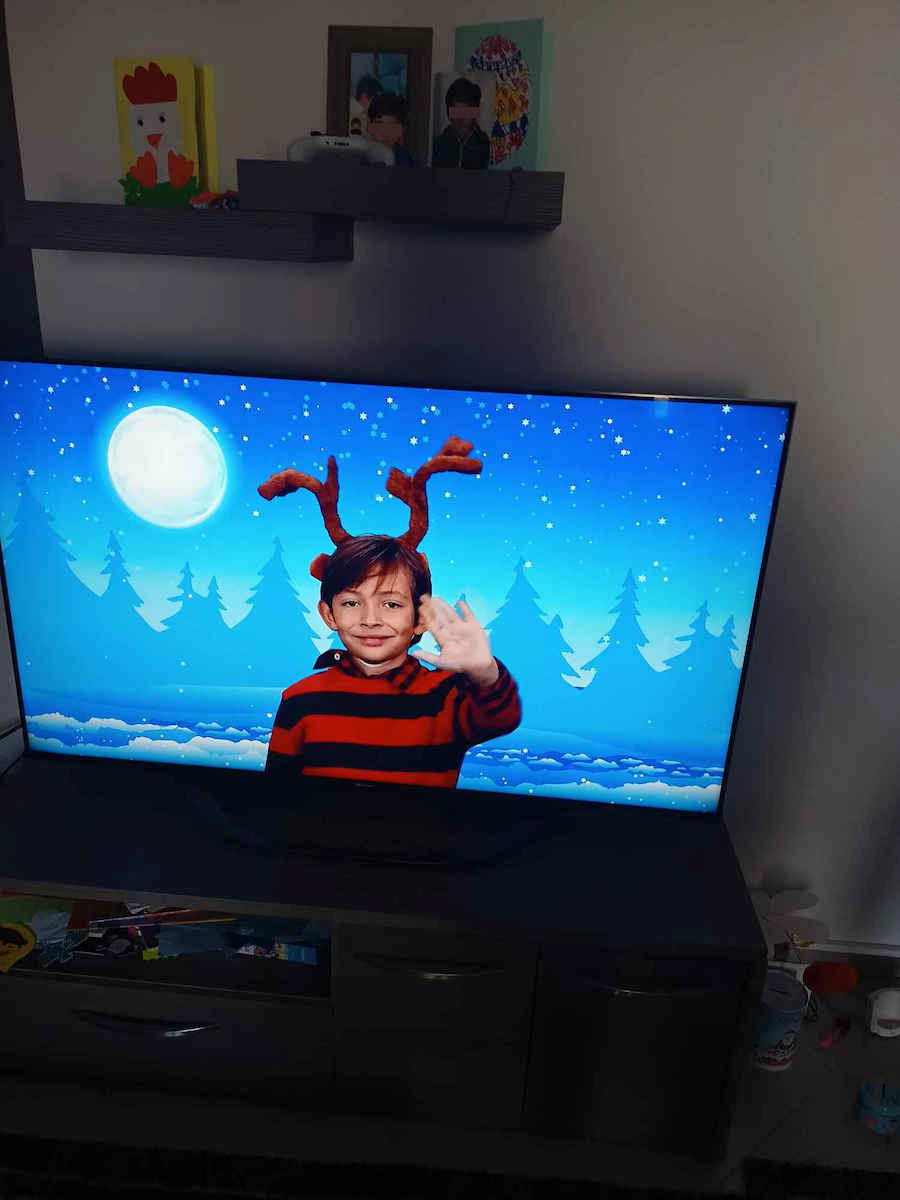

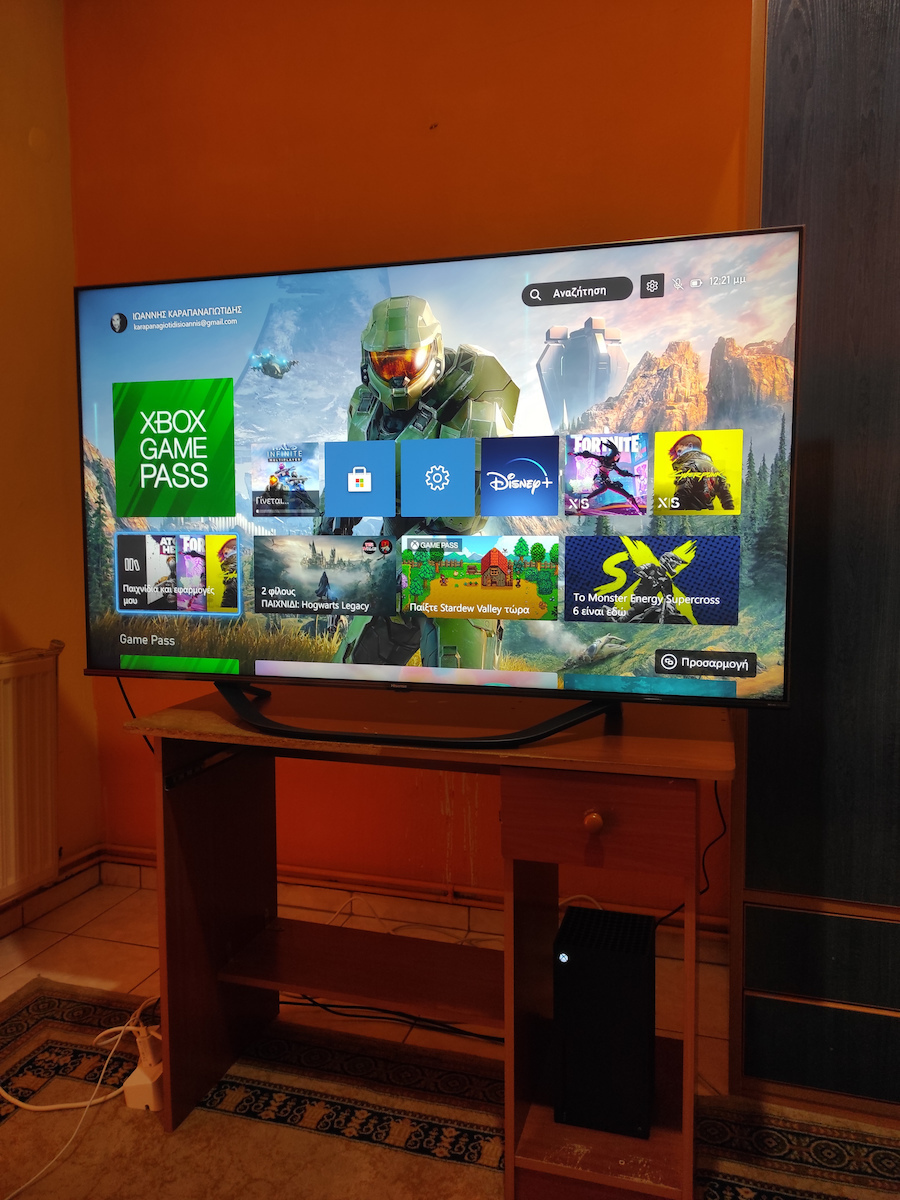
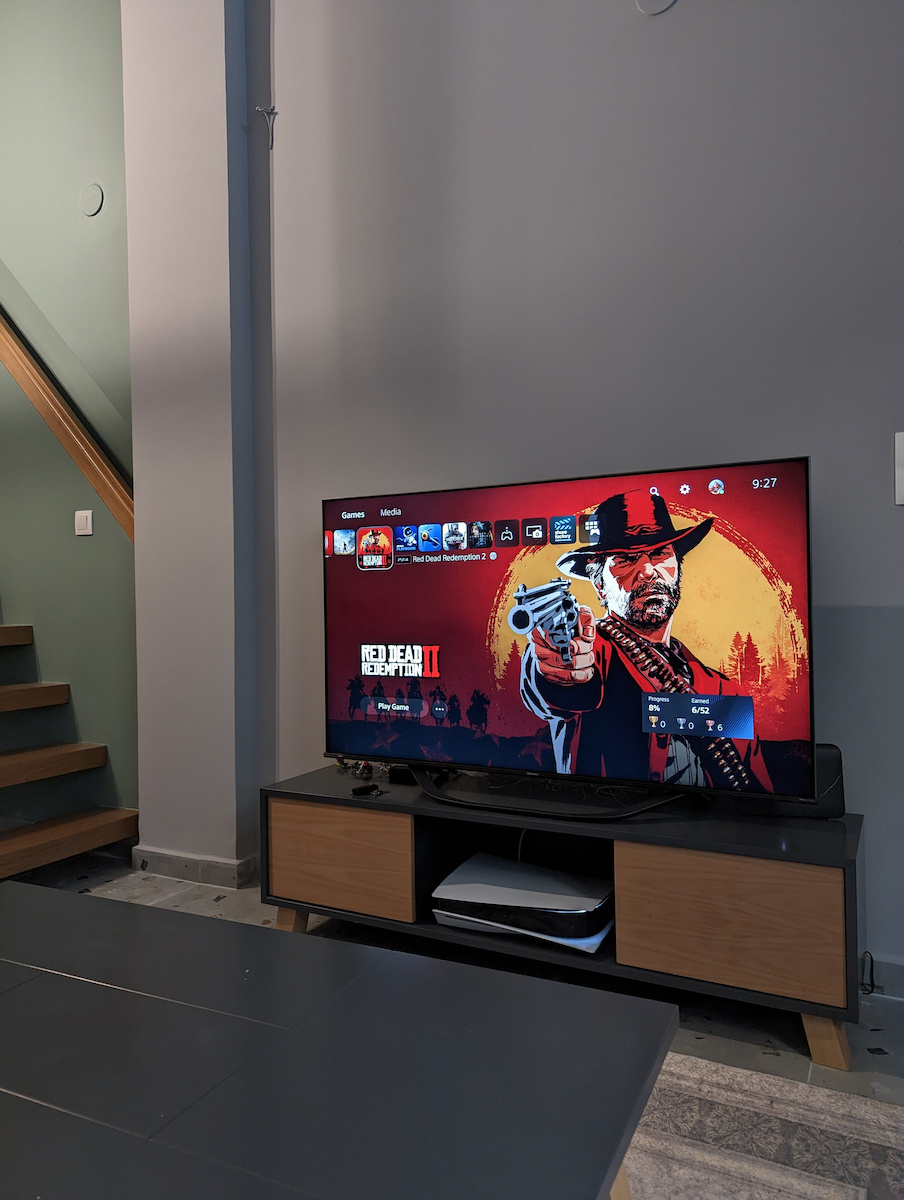
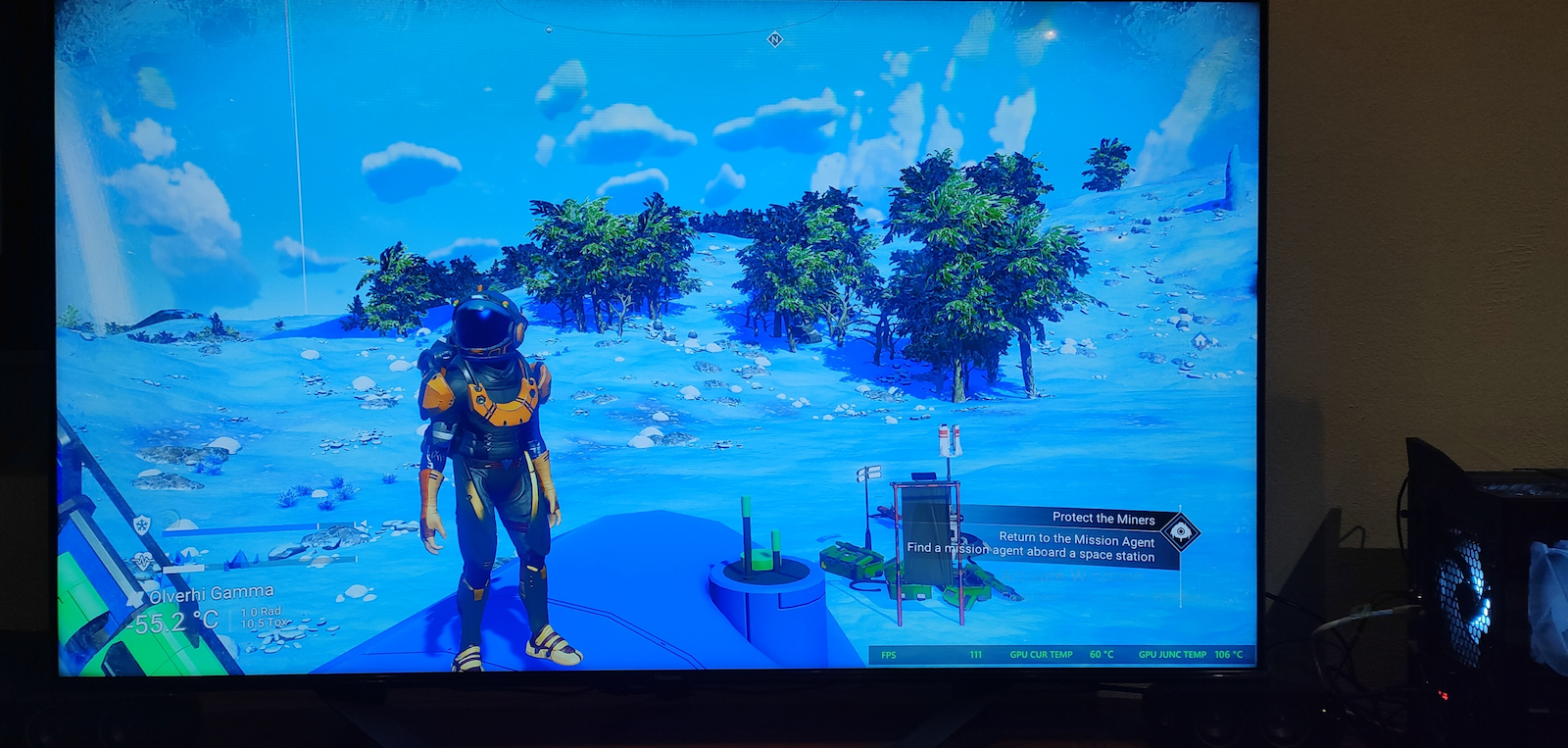
The model from the company Hisense, has a screen size of 55". The minimum recommended viewing distance for this size is 2.1m and the maximum is 3.5m. This size is recommended for placement in large living rooms, or projection spaces.
The resolution of the TV is 4K Ultra HD. TVs with 4K Ultra HD resolution are aimed at consumers looking for...
See full description
The model from the company Hisense, has a screen size of 55". The minimum recommended viewing distance for this size is 2.1m and the maximum is 3.5m. This size is recommended for placement in large living rooms, or projection spaces.
The resolution of the TV is 4K Ultra HD. TVs with 4K Ultra HD resolution are aimed at consumers looking for higher image quality and viewing experience compared to TVs with lower resolutions, such as Full HD or HD Ready. The 4K Ultra HD resolution, which amounts to 3840 x 2160 pixels, offers very high image quality, focusing on detail. These TVs are suitable for watching movies, sports events, gaming, and other entertainment activities that require quality image.
Additionally, these TVs are suitable for use with computers and for modern games with high demands on resolution. They are usually aimed at consumers who want the best possible viewing experience and are ready to invest in a high-quality TV.
The panel of the TV is Full Array LED. The main advantages of the Full Array LED panel are improved contrast and uniform screen brightness. This is achieved through the placement of multiple LEDs behind the screen and positioned between different areas of the screen.
This allows the television to control the lighting and shading of different areas of the screen independently of the other areas, offering greater accuracy and improved color reproduction. Additionally, televisions with Full Array LED panels can be thinner and lighter, as they do not require as much space for the LEDs located behind the screen, compared to televisions with direct LED panels.
Regarding HDR, it is equipped with HDR10, HDR10+, HLG. High Dynamic Range (HDR) and its various types generally improve the picture quality of televisions and other video playback devices. This is achieved by increasing the dynamic range of colors and brightness of images.
The advantages of HDR are more vivid and natural colors, deeper blacks and brighter whites, more details in the shadows and highlights of the image, and more accurate color reproduction. Additionally, filmmakers can leverage HDR to produce movies with more natural and realistic images.
Finally, devices with HDR support can play content that is encoded with HDR, offering a more impressive viewing experience for the user.
It features a high refresh rate, 120Hz. Increasing the refresh rate results in improved image smoothness and reduced blurring or ghosting during dynamic presentation of fast movements or high-motion scenes. This makes the experience of watching movies, series, sports events, and games more realistic and impressive.
This model belongs to the broader family of Smart TVs. Smart TVs represent the evolution in television technology, as they incorporate Internet functions, allowing browsing of websites and the use of online applications (e.g., Netflix, YouTube, Spotify, etc.). They are, therefore, an example of technological convergence between computers and televisions. The latest Smart TVs have the capability of full Internet browsing, while older ones support access only to popular websites (e.g., YouTube, Facebook, Twitter) through appropriate applications.
Featuring another important characteristic, that of VRR, this model will enhance the Gaming experience. Variable Refresh Rate (VRR) technology is used in televisions to improve the user's experience during game playback. With VRR technology, the television can adjust its refresh rate to the frame rate generated by the source, such as a gaming console, which improves image smoothness and reduces screen tearing during fast movements in games.
VRR technology helps players react accurately to the game environment and improves their performance. Additionally, VRR technology allows televisions to work better with sources that have different refresh rates, meaning televisions can work better with a wide variety of games and gaming devices.
The television has PVR capability. PVR on televisions refers to the function of a TV receiver with a built-in hard drive, allowing you to record TV programs and store them on the TV's hard drive.
This way, you can record your favorite programs and watch them when you want, instead of having to watch them live during their broadcast.
Specifications are collected from official manufacturer websites. Please verify the specifications before proceeding with your final purchase. If you notice any problem you can report it here.

Amazing television. It takes a little time to adjust from 32 to 55 [which I did the transition] but it is really worth it and more. Crystal clear image in modes supported by the television [such as Netflix, ps5, Disney +]. Very nice menu and detailed instructions. Nice remote control with all the available modern options that the average user wants. If I found one mediocre thing it has is the sound but that can be solved with a soundbar for those who want a better experience in movies or sports events.
Let's not kid ourselves, 95% of the buying public wants 5 basic functions and a reasonable price. This television has it all in a very convenient package in terms of size, quality, and price. Thumbs up
Τρομερή τηλεόραση. Θέλει λίγο χρόνο να προσαρμοστεί από τα 32 στα 55 [που έκανα εγώ τη μετάβαση] αλλά πραγματικά αξίζει και με το παραπάνω. Κρύσταλλο εικόνα σε modes που το υποστηρίζει η τηλεόραση [όπως Netflix, ps5, Disney +]. Πολύ ωραίο μενού και αναλυτικές οδηγίες. Ωραίο τηλεκοντρόλ με όλες τις διαθέσιμες σύγχρονες επιλογές που θέλει ο μέσος χρήστης. Αν έβρισκα ένα μέτριο πράγμα που έχει πάνω της ειναι ο ήχος αλλά με μια ηχομπαρα λύνεται και αυτό για οποίους θέλουν καλύτερη εμπειρία σε ταινίες ή αγωνιστικά θεάματα.
Ας μην γελιόμαστε το 95% του αγοραστικου κοινού θέλει 5 βάσικες λειτουργίες και μια λογική τιμή. Αυτή η τηλεόραση τα διαθέτει όλα και σε πολύ βολικό πακέτο τόσο σε μέγεθος όσο και σε ποιότητα και τιμή. Thumbs up
The TV was mainly purchased for gaming on Xbox Series X. Very good picture quality, very good blacks for the money. The build quality is quite good compared to other top brands in the market. Vidaa menu is a modified android but with limited options in applications. Personally, I don't care because it has the basics (YouTube, Netflix, Disney, and Amazon).
Dolby Vision provides a different experience in movies that support it. The colors are vibrant to the point where I wonder how more expensive brands in the market can have better ones.
The sound is not something extraordinary, 8/10, but who buys a TV and expects good sound?
It has enhanced mode, freesync, and runs 1440p 120hz games flawlessly.
Overall satisfied. Will come back in about 3 months.
Η τηλεόραση αγοράστηκε κατά κύριο λόγο για Gaming σε Xbox series x. Πάρα πολύ καλή εικόνα, πάρα πολύ καλά μαύρα για τα λεφτά. Η ποιότητα κατασκευής είναι αρκετά καλή σε σχέση με άλλες καλύτερες μάρκες της αγοράς. Μενού vidaa ένα τροποποιημενο android αλλά χωρίς πολλές επιλογές σε εφαρμογές. Εμένα προσωπικά δεν με ενδιαφέρει γιατί τα βασικά (yt, Netflix, Disney και amazon) τα έχει.
Dolby vision άλλη εμπειρία στις ταινίες που το υποστηρίζουν. Τα χρώματα είναι ολοζώντανα σε σημείο να λέω πόσο καλύτερα μπορεί να έχουν ακριβότερες μάρκες της αγοράς.
Ο ήχος δεν είναι κάτι το τρομερό 8/10 αλλά ποιος παίρνει τηλεόραση και περιμένει καλό ήχο;
Εχει enhanced mode, freesync και τρέχει άριστα 1440p 120hz παιχνίδια.
Γενικά ευχαριστημένος. Θα επανέλθω σε κάνα 3μηνο.
It's definitely worth the money, now whether it will last for five years without any problems, only time will tell
Αξίζει σίγουρα για τα χρήματα της, τώρα αν θα βγάλει μια 5ετια χωρίς προβλήματα ο χρόνος θα δείξει

What to say first. After the change I made from a 7-year-old LG. Day and night. I got it for gaming and movies. I don't watch TV at all and I don't even have it connected to the TV.
The picture in gaming, if you put on gaming mode and the 120hz, etc. on Xbox Series X, it plays epic, something else guys.
The movies from Netflix, Disney+, Amazon that I have are amazing, perfect.
Especially if they have Dolby Vision HDR and are 4k. You will be amazed.
Don't even think about it. VFM MID RAGE
Τι να πρώτο πω. Μετά την αλλαγή που έκανα από μια LG 7 ετών. Η μέρα με τη νύχτα. Εγώ τη πήρα για gaming και ταινίες. Δε βλέπω καθόλου τηλεόραση και δεν την έχω καν συνδεδεμένη στη τηλεόραση.
Η εικόνα στο gaming άμα βάλεις το gaming mode και τα 120hz κτλπ σε Xbox Series X παίζει επικά, άλλο πράγμα παιδιά.
Οι ταινίες από netflix Disney+ amazon που έχω είναι άστα να πάνε, τέλειες.
Ειδικά άμα έχουν dolby vision hdr και είναι 4k. Θα πάθετε πλάκα.
Μη το σκέφτεσαι καθόλου. VFM MID RAGE

In her money, there is no higher image no matter what you look at. I believe it is worth buying. I will come back in a little while because it is still early.
Στα λεφτά της δεν υπάρχει ανώτερη εικόνα ό,τι κι αν κοιτάξεις. Πιστεύω αξίζει η αγορά της. Θα επανέλθω σε λίγο καιρό, γιατί ακόμα είναι νωρίς.

It has a very high-quality image and gives a great result in gaming! The vidaa operating system didn't impress me, but with a simple android tv box, you can do your job! Google assistant only works if you set the United Kingdom as the region in the TV settings, and it even unlocks vidaa plus, which adds many English channels! That was a nice surprise! I don't have an opinion on the sound since I connected a soundbar directly to the TV! Okay, its strong point is the 120hz, which work perfectly with vrr! If you find it for 580 to 600, I consider it a good purchase!
Έχει πολύ ποιοτική εικόνα και σε gaming δίνει πολύ ωραίο αποτέλεσμα! Το vidaa ως λειτουργικό δεν με ξετρέλανε αλλα με ενα απλό android tv box κάνεις την δουλειά σου! Το Google assistant δουλεύει μόνο αν ορίσετε ως περιοχή στις ρυθμίσεις της τηλεόρασης το Ηνωμένο Βασίλειο και μάλιστα σου ξεκλειδώνει και το vidaa plus το οποίο σου προσθέτει πάρα πολλά αγγλικά κανάλια! Αυτό ήταν μια ωραία έκπληξη! Για τον ήχο δεν έχω άποψη μιας και συνδέθηκε κατευθείαν ηχομπαρα στην tv! Εντάξει το δυνατό του χαρτί είναι τα 120hz τα οποία δουλεύουν μια χαρά και με vrr! Αν την πετύχετε στα 580 έως 600 θεωρώ πως είναι μια καλή αγορά!
VIDAA = Useless
You can't find any application you need for IPTV.
I had to get an external TV box so I can download a decent application.
VIDAA=Άχρηστο
Δεν βρίσκεις καμία εφαρμογή που χρειάζεσαι για IPTV.
Αναγκάστηκα να πάρω box TV εξωτερικό για να μπορώ να κατεβάσω καμιά εφαρμογή της προκοπής.
With the payzy promo, it came out to 480€, an offer that someone should have taken advantage of yesterday! I bought it for Netflix, etc. but also for gaming, connected to the computer. It's very smooth and the gameplay as well as the movies. Sometimes I feel like in movies when the extra smoothness setting is enabled, it's like it drops frames for fractions of a second. Probably some setting needs to be adjusted or disabled to fix this. Other than that, it's the best value for money.
Με το promo της payzy μου βγήκε στα 480€, προσφορά που έπρεπε κάποιος να την χτυπήσει χτες ! Την αγόρασα για Netflix,κλπ. αλλά και για gaming, συνδεδεμένη με τον υπολογιστή. Είναι πολύ smooth και το gameplay αλλά και οι ταινίες. Κάποιες φορές αισθάνομαι ότι στις ταινίες όταν είναι ενεργοποιημένη η ρύθμιση για extra smoothness, σαν να ρίχνει τα καρέ για κλάσματα δευτερολέπτου. Λογικά θα πρέπει να πειραχτεί ή να απενεργοποιηθεί κάποια ρύθμιση για να στρώσει αυτό. Κατά τα άλλα είναι ότι πιο VFM .
In the 639, it is incredible for supporting 120hz and other features required by the latest generation consoles. The vidaa operating system is fast and has almost everything. Personally, I found that Twitch is missing, but I cover it with the console. The sound is average for now as I haven't dealt with the equalizer it has. In stock settings, I haven't been blown away by the image, although it is very good. What impressed me positively is that due to full array local dimming, it has very nice blacks and only in complete darkness and completely dark scenes will a faint "halo" ONLY appear around white content and NOT as an entire vertical column like in other technologies. It was just purchased and I will come back in the future with more detailed analysis, but for 4K gaming and 120hz, it is definitely worth the money
Στα 639 είναι απίθανη για υποστήριξη 120hz και λοιπά καλούδια που απαιτούν οι κονσόλες τελευταίας γενιάς. Το vidaa που έχει ως λειτουργικό είναι γρήγορο και έχει σχεδόν τα πάντα. Προσωπικά βρήκα ότι απουσιάζει το twitch αλλά το καλύπτω από την κονσόλα. Ο ήχος μέτριος για την ώρα καθώς δεν ασχολήθηκα με το equalizer που διαθέτει. Σε στοκ ρυθμίσεις δεν έχω τρελαθεί από την εικόνα αν και είναι πολύ καλή. Αυτό που μου έκανε θετική εντύπωση είναι πως λόγω full array local dimming έχει πολύ ωραία μαύρα και μόνο σε τελείως σκοτάδι και εντελώς σκοτεινές σκηνές θα φανεί ένα αχνό "φωτοστέφανο" ΜΟΝΟ γύρω από λευκό περιεχόμενα και ΟΧΙ σαν ολόκληρη κάθετη στήλη που συμβαίνει στις άλλες τεχνολογίες. Μόλις αγοράστηκε και θα επανέλθω στο μέλλον αναλυτικότερα αλλά για gaming 4K και 120hz αξίζει σίγουρα τα λεφτά της
Owner of this specific product for a month now, so far it's a very good television. The sound is fantastic, you don't need to invest in a soundbar. Games with 2.1 HDMI work wonderfully. The only notable potential negative is the television's updates. Some of its functions may freeze and a reset may be needed if HbbTv doesn't work. Perfect viewing angle, nothing like the equivalent models abroad. So don't look at reviews for this specific model as Hisense played a prank and gave it the same name in every country with different parameters. Only time will tell if it was truly a good purchase. So far, flawless.
Κάτοχος του συγκεκριμένου προϊόντος εδώ και ένα μήνα, μέχρι στιγμής είναι πολλή καλή τηλεόραση. Ο ήχος της φανταστικός, για αρχή δεν χρειάζεται να επενδύσετε σε soundbar. Τα παιχνίδια με 2.1 hdmi γράφουν υπέροχα. Το μόνο αξιοσημείωτο ως ενδεχόμενο αρνητικό είναι τα update της τηλεόρασης. Που ίσως κολλήσουν κάποιες λειτουργίες της και μπορεί να χρειαστεί reset αν δεν παίζει το HbbTv. Γωνία θέασης άψογη, καμία σχέση με τα αντίστοιχα μοντέλα εξωτερικού. Οπότε μην βλέπετε reviews για το συγκεκριμένο μοντέλο καθώς η Hisense έκανε την τρολλιά και βγάζει ίδια ονομασία σε κάθε χώρα με διαφορετικές παραμέτρους. Μόνο ο χρόνος θα δείξει αν ήταν πραγματικά καλή αγορά. Μέχρι στιγμής άψογη.
Overall, a great value proposition! Very beautiful image, many options to customize it to your liking with warmth, sharpness, etc. Fast operating system and very nice build quality. It has all the goodies on Disney+, Dolby Vision, Atmos, filmmaker mode that make the result fantastic! It also seems great for gaming. However, somehow the image seems upgraded from my previous 4K HDR 43" TV (HDR does a great job). The blacks are obviously not OLED level, but they are satisfactory to me. The colors are superb! As for the negatives, the software is not necessarily bad, it just doesn't work well with all major applications. I'm disappointed that I can't download Spotify or smaller apps like Ertflix and Cinobo. It would be great if the TV had Android TV! Also, Google Voice Assistant doesn't work in Greece. That's it. Few negatives, and they are only related to the software and can be solved with a TV box or a PlayStation, no problem.
Update 25/01/23: VRR is great if you want to play something at 120 fps or have good resolution and not be stuck at 30 fps. However, not many games support it. Theoretically, though, the new ones will run great!
Overall μια πολυ value πρόταση! Πολύ όμορφη εικονα, πολλές επιλογές για να τη φέρεις στα μέτρα σου με θερμότητα, οξύτητα κλπ. Γρήγορο λειτουργικό σύστημα και πολυ όμορφο build quality. Στο Disney+ εχει ολα τα καλούδια, Dolby Vision, atmos, filmmaker mode που κάνουν το αποτέλεσμα φανταστικό! Στο gaming επίσης μου φαίνεται τουμπανη. Παρόλα αυτά με κάποιο τρόπο η εικόνα μου φαίνεται να αναβαθμίστηκε απο την προηγούμενη 4k hdr 43" tv που είχα (το HDR κάνει πολύ καλή δουλειά). Τα μαύρα προφανως δεν είναι επιπέδου oled αλλα εμένα μου φαίνονται ικανοποιητικά. Τα χρώματα είναι σουπερ! Στα αρνητικά τώρα ειναι το λογισμικό που δεν είναι απαραίτητα κακό απλα δεν συνεργάζεται με όλες τις μεγάλες εφαρμογές. Δηλαδή εγω ξενερώνω που δεν μπορώ να κατεβάσω τα Spotify, ή και μικρότερες εφαρμογές όπως ertflix και Cinobo. Θα ήταν σούπερ η τηλεόραση με ενα android tv! Επίσης το Google voice assistant δεν λειτουργεί στην Ελλάδα. Αυτα. Λίγα τα αρνητικά, και έχουν να κάνουν μόνο με το λογισμικό και λύνονται με ενα tv box ή ενα playstation καλή ώρα.
Update 25/01/23: Το vrr είναι σούπερ αν θες να παίξεις κατι σε 120 fps ή να έχεις καλη ανάλυση και να μήν είσαι κολλημένος στα 30 fps . Βέβαια δεν το υποστηρίζουν πολλά παιχνίδια. Θεωρητικά όμως τα καινούρια θα τρέχουν σούπερ!
The television is very good, always based on what it offers and its price. Colors are very nice and overall it is a reliable television that you can't find for the same money. Excellent for ultra HD movies. After a little research, I recommend to anyone who buys it to turn off all the "extra" features... for example: ultra smooth, etc., because they do more harm than good to the image.
η τηλεοραση ειναι πολυ καλη, παντα βαση αναλογιας του τι προσφερει και της τιμης της. Xρωματα παρα πολυ ωραια και γενικα ειναι μια τιμια τηλεοραση που δεν βρισκεις αλλη στα ιδια λεφτα. αψογη σε ταινιες ultra hd. μετα απο λιγο ψαξιμο, προτεινω σε οποιον την παρει, να βγαλει εκτος (off) ολες τις "εξτρα" λειτουργιες... δηλαδη για παραδειγμα: ultra smooth κλπ, γιατι πιο πολυ κακο κανουν στην εικονα, παρα καλο.
There is no input lag at 120hz. I don't know if there is a better value for money option with a similar size for a gaming PC monitor. Bravo to me :)
Δεν υπαρχει input lag στα 120hz. Δεν ξερω αν υπαρχει πιο value for money επιλογη με αναλογο μεγεθος, για monitor σε gaming pc. Μπραβο μου :)
The television is very good for its price, it's just missing vrr.
Edit 16/12/22
The vrr works fine, you just need to select the enhanced HDMI mode from the menu.
Edit 24/1/23
Today the television won't turn on, it flashes a black screen. I will talk to the store and the dealership for repair or replacement. I hope I don't have any issues because the money wasn't little.
η τηλεόραση είναι πολύ καλή για τα λεφτά της μόνον που δεν έχει vrr.
Edit 16/12/22
το vrr δουλεύει κανονικά απλά επιλεγείς ενίσχυμενη λειτουργία HDMI από το μενού.
Edit 24/1/23
σήμερα η τηλεόραση δεν ανοίγει, σναβοσβηνει μια μαύρη οθόνη, θα μιλήσω με το κατάστημα και με αντιπροσωπεία για επισκευή ή αντικατάσταση. Ελπίζω να μην έχω θέμα γιατί τα λεφτά δεν ήταν λίγα.
With the appropriate settings, it becomes excellent for its money. The most value-for-money choice. . .
με τις κατάλληλες ρυθμίσεις γίνεται εξαιρετική για τα λεφτα της. η πιο vfm επιλογή. . .

Very good for its price. With all the goodies for image improvement, such as HDR, Dolby Vision, and 120hz, it is excellent for movies, gaming, and overall 4k content, as the quality of Greek TV channels is terrible anyway. The menu is relatively easy, it runs smoothly without any glitches. Worth it
Πολύ καλή για τα λεφτά της. Με όλα τα καλουδια για βελτίωση εικόνας βλ. HDR, Dolby Vision και 120hz είναι εξαιρετική για ταινίες, gaming και γενικότερα περιεχόμενο 4k, καθώς η ποιότητά των ελληνικών τηλεοπτικών καναλιών είναι χάλια έτσι κ αλλιώς. Σχετικά εύκολο μενού, πάει αέρας χωρίς κολλήματα. Αξίζει
Perfect picture, very good sound, easy menu.
Smart remote control with extra buttons like Prime, Netflix, Disney Plus, and others, easy initial setup with mobile.
For the price of 699,- perfect. HISENSE brand with a future in Europe.
τέλεια εικόνα , πολύ καλός ήχος, εύκολο μενού
έξυπνο τηλεχειριστήριο με έξτρα κουμπιά πχ Prime, Netflix , disney plus και άλλα, εύκολη αρχική ρύθμιση με το κινητό.
Για τα λεφτά του 699,- τέλεια., HISENSE μάρκα με μέλλον στην Ευρώπη.
Verified purchase
Amazing television. It takes a little time to adjust from 32 to 55 [which I did the transition] but it is really worth it and more. Crystal clear image in modes supported by the television [such as Netflix, ps5, Disney +]. Very nice menu and detailed instructions. Nice remote control with all the available modern options that the average user wants. If I found one mediocre thing it has is the sound but that can be solved with a soundbar for those who want a better experience in movies or sports events.
Let's not kid ourselves, 95% of the buying public wants 5 basic functions and a reasonable price. This television has it all in a very convenient package in terms of size, quality, and price. Thumbs up
Τρομερή τηλεόραση. Θέλει λίγο χρόνο να προσαρμοστεί από τα 32 στα 55 [που έκανα εγώ τη μετάβαση] αλλά πραγματικά αξίζει και με το παραπάνω. Κρύσταλλο εικόνα σε modes που το υποστηρίζει η τηλεόραση [όπως Netflix, ps5, Disney +]. Πολύ ωραίο μενού και αναλυτικές οδηγίες. Ωραίο τηλεκοντρόλ με όλες τις διαθέσιμες σύγχρονες επιλογές που θέλει ο μέσος χρήστης. Αν έβρισκα ένα μέτριο πράγμα που έχει πάνω της ειναι ο ήχος αλλά με μια ηχομπαρα λύνεται και αυτό για οποίους θέλουν καλύτερη εμπειρία σε ταινίες ή αγωνιστικά θεάματα.
Ας μην γελιόμαστε το 95% του αγοραστικου κοινού θέλει 5 βάσικες λειτουργίες και μια λογική τιμή. Αυτή η τηλεόραση τα διαθέτει όλα και σε πολύ βολικό πακέτο τόσο σε μέγεθος όσο και σε ποιότητα και τιμή. Thumbs up
The TV was mainly purchased for gaming on Xbox Series X. Very good picture quality, very good blacks for the money. The build quality is quite good compared to other top brands in the market. Vidaa menu is a modified android but with limited options in applications. Personally, I don't care because it has the basics (YouTube, Netflix, Disney, and Amazon).
Dolby Vision provides a different experience in movies that support it. The colors are vibrant to the point where I wonder how more expensive brands in the market can have better ones.
The sound is not something extraordinary, 8/10, but who buys a TV and expects good sound?
It has enhanced mode, freesync, and runs 1440p 120hz games flawlessly.
Overall satisfied. Will come back in about 3 months.
Η τηλεόραση αγοράστηκε κατά κύριο λόγο για Gaming σε Xbox series x. Πάρα πολύ καλή εικόνα, πάρα πολύ καλά μαύρα για τα λεφτά. Η ποιότητα κατασκευής είναι αρκετά καλή σε σχέση με άλλες καλύτερες μάρκες της αγοράς. Μενού vidaa ένα τροποποιημενο android αλλά χωρίς πολλές επιλογές σε εφαρμογές. Εμένα προσωπικά δεν με ενδιαφέρει γιατί τα βασικά (yt, Netflix, Disney και amazon) τα έχει.
Dolby vision άλλη εμπειρία στις ταινίες που το υποστηρίζουν. Τα χρώματα είναι ολοζώντανα σε σημείο να λέω πόσο καλύτερα μπορεί να έχουν ακριβότερες μάρκες της αγοράς.
Ο ήχος δεν είναι κάτι το τρομερό 8/10 αλλά ποιος παίρνει τηλεόραση και περιμένει καλό ήχο;
Εχει enhanced mode, freesync και τρέχει άριστα 1440p 120hz παιχνίδια.
Γενικά ευχαριστημένος. Θα επανέλθω σε κάνα 3μηνο.
It's definitely worth the money, now whether it will last for five years without any problems, only time will tell
Αξίζει σίγουρα για τα χρήματα της, τώρα αν θα βγάλει μια 5ετια χωρίς προβλήματα ο χρόνος θα δείξει
What to say first. After the change I made from a 7-year-old LG. Day and night. I got it for gaming and movies. I don't watch TV at all and I don't even have it connected to the TV.
The picture in gaming, if you put on gaming mode and the 120hz, etc. on Xbox Series X, it plays epic, something else guys.
The movies from Netflix, Disney+, Amazon that I have are amazing, perfect.
Especially if they have Dolby Vision HDR and are 4k. You will be amazed.
Don't even think about it. VFM MID RAGE
Τι να πρώτο πω. Μετά την αλλαγή που έκανα από μια LG 7 ετών. Η μέρα με τη νύχτα. Εγώ τη πήρα για gaming και ταινίες. Δε βλέπω καθόλου τηλεόραση και δεν την έχω καν συνδεδεμένη στη τηλεόραση.
Η εικόνα στο gaming άμα βάλεις το gaming mode και τα 120hz κτλπ σε Xbox Series X παίζει επικά, άλλο πράγμα παιδιά.
Οι ταινίες από netflix Disney+ amazon που έχω είναι άστα να πάνε, τέλειες.
Ειδικά άμα έχουν dolby vision hdr και είναι 4k. Θα πάθετε πλάκα.
Μη το σκέφτεσαι καθόλου. VFM MID RAGE
In her money, there is no higher image no matter what you look at. I believe it is worth buying. I will come back in a little while because it is still early.
Στα λεφτά της δεν υπάρχει ανώτερη εικόνα ό,τι κι αν κοιτάξεις. Πιστεύω αξίζει η αγορά της. Θα επανέλθω σε λίγο καιρό, γιατί ακόμα είναι νωρίς.
20 users have this product and can help you
Ask for the product
Vrr + local dimming παίζει;


υπάρχει στο μενού ένδειξη που να μπορώ να αλλάξω τα resolution? 1080p σε 4k. Έχω βάλει πάνω το Xbox series x και η ανώτερη ανάλυση που μου δίνει είναι η στα 1080p στα 120hz. η 1440p στα 60hz. η μεγαλύτερη ένδειξη στο Xbox είναι η UHD 4k μου την δείχνει λ,αλλά δεν με αφήνει να την χρησιμοποιήσω. Υπόψιν, το καλώδιο είναι 2,1 με χρυσές απολήξεις και τοποθετημένο στην θύρα HDMI 4 που είναι για παιχνίδια. Τι πρέπει να κάνω για να δω παιχνίδια σε UHD 4 k?

καποιος αναφερε στα σχολια οτι βγαζει ανετα 1440p στα 120Ηz. Τωρα στα 2160p δεν ειμαι βεβαιος οτι παιζει 120Ηz.Επομενως οταν λενε στα χαρακτηριστικα πως βγαζει hdmi 2.1 @ 120Hz, καλο θα ητανε οι εταιρειες να διευκρινιζουνε αν ειναι 120Hz/ 4Κ ή 120Ηz/2κ!!
ξερει κανεις καλες ρυθμισεις για την τηλεοραση; σε ταινιες απο νετφλιξ 4k ultra hd η εικονα ειναι αψογη... στο υποχρεωτικο dolby vision που δεν μπορει να απενεργοποιηθει... σε γρηγορες εναλλαγες εικονων απο την μια σκηνη στην αλλη, μπορει να υπαρχει θολωμα(ισως καθυστερηση επεξεργαστη). αν γνωριζει κατι καποιος θα ηταν καλη βοηθεια... απο hisense δεν κανουν ενημερωση ρυθμισεων παντως

το αντιμετώπιζα και εγω και εβαλα ντολμπι βιζιον προσαρμοσμένο με τις εξής ρυθμίσεις:
οπίσθιος φωτισμός υψηλός
φωτεινό 50
αντίθεση 80
κορεσμός χρωμάτων 50
οξύτητα 0
προσαρμογή αντίθεσης οφφ
ουλτρα σμουθ μοσιον οφφ
απαλοιφή κίνησης οφφ
μείωση θορύβου μεσαίο
βελτίωση εικόνας μεσαιο
θερμοκρασία χρώματος θερμο1

Έχει καταφέρει κανείς να συνδεθεί σε Google assistant? Ενώ καταφερνω να το ενεργοποιήσω στο Vidaa Voice θέτοντας ως τοποθεσία το Ηνωμένο Βασίλειο, δεν μπορώ με τίποτα να συνδέσω τον λογαριασμό μου! Έχει κανείς ιδέα?
Specifications are collected from official manufacturer websites. Please verify the specifications before proceeding with your final purchase. If you notice any problem you can report it here.
The model from the company Hisense, has a screen size of 55". The minimum recommended viewing distance for this size is 2.1m and the maximum is 3.5m. This size is recommended for placement in large living rooms, or projection spaces.
The resolution of the TV is 4K Ultra HD. TVs with 4K Ultra HD resolution are aimed at consumers looking for higher image quality and viewing experience compared to TVs with lower resolutions, such as Full HD or HD Ready. The 4K Ultra HD resolution, which amounts to 3840 x 2160 pixels, offers very high image quality, focusing on detail. These TVs are suitable for watching movies, sports events, gaming, and other entertainment activities that require quality image.
Additionally, these TVs are suitable for use with computers and for modern games with high demands on resolution. They are usually aimed at consumers who want the best possible viewing experience and are ready to invest in a high-quality TV.
The panel of the TV is Full Array LED. The main advantages of the Full Array LED panel are improved contrast and uniform screen brightness. This is achieved through the placement of multiple LEDs behind the screen and positioned between different areas of the screen.
This allows the television to control the lighting and shading of different areas of the screen independently of the other areas, offering greater accuracy and improved color reproduction. Additionally, televisions with Full Array LED panels can be thinner and lighter, as they do not require as much space for the LEDs located behind the screen, compared to televisions with direct LED panels.
Regarding HDR, it is equipped with HDR10, HDR10+, HLG. High Dynamic Range (HDR) and its various types generally improve the picture quality of televisions and other video playback devices. This is achieved by increasing the dynamic range of colors and brightness of images.
The advantages of HDR are more vivid and natural colors, deeper blacks and brighter whites, more details in the shadows and highlights of the image, and more accurate color reproduction. Additionally, filmmakers can leverage HDR to produce movies with more natural and realistic images.
Finally, devices with HDR support can play content that is encoded with HDR, offering a more impressive viewing experience for the user.
It features a high refresh rate, 120Hz. Increasing the refresh rate results in improved image smoothness and reduced blurring or ghosting during dynamic presentation of fast movements or high-motion scenes. This makes the experience of watching movies, series, sports events, and games more realistic and impressive.
This model belongs to the broader family of Smart TVs. Smart TVs represent the evolution in television technology, as they incorporate Internet functions, allowing browsing of websites and the use of online applications (e.g., Netflix, YouTube, Spotify, etc.). They are, therefore, an example of technological convergence between computers and televisions. The latest Smart TVs have the capability of full Internet browsing, while older ones support access only to popular websites (e.g., YouTube, Facebook, Twitter) through appropriate applications.
Featuring another important characteristic, that of VRR, this model will enhance the Gaming experience. Variable Refresh Rate (VRR) technology is used in televisions to improve the user's experience during game playback. With VRR technology, the television can adjust its refresh rate to the frame rate generated by the source, such as a gaming console, which improves image smoothness and reduces screen tearing during fast movements in games.
VRR technology helps players react accurately to the game environment and improves their performance. Additionally, VRR technology allows televisions to work better with sources that have different refresh rates, meaning televisions can work better with a wide variety of games and gaming devices.
The television has PVR capability. PVR on televisions refers to the function of a TV receiver with a built-in hard drive, allowing you to record TV programs and store them on the TV's hard drive.
This way, you can record your favorite programs and watch them when you want, instead of having to watch them live during their broadcast.
Amazing television. It takes a little time to adjust from 32 to 55 [which I did the transition] but it is really worth it and more. Crystal clear image in modes supported by the television [such as Netflix, ps5, Disney +]. Very nice menu and detailed instructions. Nice remote control with all the available modern options that the average user wants. If I found one mediocre thing it has is the sound but that can be solved with a soundbar for those who want a better experience in movies or sports events.
Let's not kid ourselves, 95% of the buying public wants 5 basic functions and a reasonable price. This television has it all in a very convenient package in terms of size, quality, and price. Thumbs up
Τρομερή τηλεόραση. Θέλει λίγο χρόνο να προσαρμοστεί από τα 32 στα 55 [που έκανα εγώ τη μετάβαση] αλλά πραγματικά αξίζει και με το παραπάνω. Κρύσταλλο εικόνα σε modes που το υποστηρίζει η τηλεόραση [όπως Netflix, ps5, Disney +]. Πολύ ωραίο μενού και αναλυτικές οδηγίες. Ωραίο τηλεκοντρόλ με όλες τις διαθέσιμες σύγχρονες επιλογές που θέλει ο μέσος χρήστης. Αν έβρισκα ένα μέτριο πράγμα που έχει πάνω της ειναι ο ήχος αλλά με μια ηχομπαρα λύνεται και αυτό για οποίους θέλουν καλύτερη εμπειρία σε ταινίες ή αγωνιστικά θεάματα.
Ας μην γελιόμαστε το 95% του αγοραστικου κοινού θέλει 5 βάσικες λειτουργίες και μια λογική τιμή. Αυτή η τηλεόραση τα διαθέτει όλα και σε πολύ βολικό πακέτο τόσο σε μέγεθος όσο και σε ποιότητα και τιμή. Thumbs up
The TV was mainly purchased for gaming on Xbox Series X. Very good picture quality, very good blacks for the money. The build quality is quite good compared to other top brands in the market. Vidaa menu is a modified android but with limited options in applications. Personally, I don't care because it has the basics (YouTube, Netflix, Disney, and Amazon).
Dolby Vision provides a different experience in movies that support it. The colors are vibrant to the point where I wonder how more expensive brands in the market can have better ones.
The sound is not something extraordinary, 8/10, but who buys a TV and expects good sound?
It has enhanced mode, freesync, and runs 1440p 120hz games flawlessly.
Overall satisfied. Will come back in about 3 months.
Η τηλεόραση αγοράστηκε κατά κύριο λόγο για Gaming σε Xbox series x. Πάρα πολύ καλή εικόνα, πάρα πολύ καλά μαύρα για τα λεφτά. Η ποιότητα κατασκευής είναι αρκετά καλή σε σχέση με άλλες καλύτερες μάρκες της αγοράς. Μενού vidaa ένα τροποποιημενο android αλλά χωρίς πολλές επιλογές σε εφαρμογές. Εμένα προσωπικά δεν με ενδιαφέρει γιατί τα βασικά (yt, Netflix, Disney και amazon) τα έχει.
Dolby vision άλλη εμπειρία στις ταινίες που το υποστηρίζουν. Τα χρώματα είναι ολοζώντανα σε σημείο να λέω πόσο καλύτερα μπορεί να έχουν ακριβότερες μάρκες της αγοράς.
Ο ήχος δεν είναι κάτι το τρομερό 8/10 αλλά ποιος παίρνει τηλεόραση και περιμένει καλό ήχο;
Εχει enhanced mode, freesync και τρέχει άριστα 1440p 120hz παιχνίδια.
Γενικά ευχαριστημένος. Θα επανέλθω σε κάνα 3μηνο.
It's definitely worth the money, now whether it will last for five years without any problems, only time will tell
Αξίζει σίγουρα για τα χρήματα της, τώρα αν θα βγάλει μια 5ετια χωρίς προβλήματα ο χρόνος θα δείξει
What to say first. After the change I made from a 7-year-old LG. Day and night. I got it for gaming and movies. I don't watch TV at all and I don't even have it connected to the TV.
The picture in gaming, if you put on gaming mode and the 120hz, etc. on Xbox Series X, it plays epic, something else guys.
The movies from Netflix, Disney+, Amazon that I have are amazing, perfect.
Especially if they have Dolby Vision HDR and are 4k. You will be amazed.
Don't even think about it. VFM MID RAGE
Τι να πρώτο πω. Μετά την αλλαγή που έκανα από μια LG 7 ετών. Η μέρα με τη νύχτα. Εγώ τη πήρα για gaming και ταινίες. Δε βλέπω καθόλου τηλεόραση και δεν την έχω καν συνδεδεμένη στη τηλεόραση.
Η εικόνα στο gaming άμα βάλεις το gaming mode και τα 120hz κτλπ σε Xbox Series X παίζει επικά, άλλο πράγμα παιδιά.
Οι ταινίες από netflix Disney+ amazon που έχω είναι άστα να πάνε, τέλειες.
Ειδικά άμα έχουν dolby vision hdr και είναι 4k. Θα πάθετε πλάκα.
Μη το σκέφτεσαι καθόλου. VFM MID RAGE
In her money, there is no higher image no matter what you look at. I believe it is worth buying. I will come back in a little while because it is still early.
Στα λεφτά της δεν υπάρχει ανώτερη εικόνα ό,τι κι αν κοιτάξεις. Πιστεύω αξίζει η αγορά της. Θα επανέλθω σε λίγο καιρό, γιατί ακόμα είναι νωρίς.
It has a very high-quality image and gives a great result in gaming! The vidaa operating system didn't impress me, but with a simple android tv box, you can do your job! Google assistant only works if you set the United Kingdom as the region in the TV settings, and it even unlocks vidaa plus, which adds many English channels! That was a nice surprise! I don't have an opinion on the sound since I connected a soundbar directly to the TV! Okay, its strong point is the 120hz, which work perfectly with vrr! If you find it for 580 to 600, I consider it a good purchase!
Έχει πολύ ποιοτική εικόνα και σε gaming δίνει πολύ ωραίο αποτέλεσμα! Το vidaa ως λειτουργικό δεν με ξετρέλανε αλλα με ενα απλό android tv box κάνεις την δουλειά σου! Το Google assistant δουλεύει μόνο αν ορίσετε ως περιοχή στις ρυθμίσεις της τηλεόρασης το Ηνωμένο Βασίλειο και μάλιστα σου ξεκλειδώνει και το vidaa plus το οποίο σου προσθέτει πάρα πολλά αγγλικά κανάλια! Αυτό ήταν μια ωραία έκπληξη! Για τον ήχο δεν έχω άποψη μιας και συνδέθηκε κατευθείαν ηχομπαρα στην tv! Εντάξει το δυνατό του χαρτί είναι τα 120hz τα οποία δουλεύουν μια χαρά και με vrr! Αν την πετύχετε στα 580 έως 600 θεωρώ πως είναι μια καλή αγορά!
VIDAA = Useless
You can't find any application you need for IPTV.
I had to get an external TV box so I can download a decent application.
VIDAA=Άχρηστο
Δεν βρίσκεις καμία εφαρμογή που χρειάζεσαι για IPTV.
Αναγκάστηκα να πάρω box TV εξωτερικό για να μπορώ να κατεβάσω καμιά εφαρμογή της προκοπής.
With the payzy promo, it came out to 480€, an offer that someone should have taken advantage of yesterday! I bought it for Netflix, etc. but also for gaming, connected to the computer. It's very smooth and the gameplay as well as the movies. Sometimes I feel like in movies when the extra smoothness setting is enabled, it's like it drops frames for fractions of a second. Probably some setting needs to be adjusted or disabled to fix this. Other than that, it's the best value for money.
Με το promo της payzy μου βγήκε στα 480€, προσφορά που έπρεπε κάποιος να την χτυπήσει χτες ! Την αγόρασα για Netflix,κλπ. αλλά και για gaming, συνδεδεμένη με τον υπολογιστή. Είναι πολύ smooth και το gameplay αλλά και οι ταινίες. Κάποιες φορές αισθάνομαι ότι στις ταινίες όταν είναι ενεργοποιημένη η ρύθμιση για extra smoothness, σαν να ρίχνει τα καρέ για κλάσματα δευτερολέπτου. Λογικά θα πρέπει να πειραχτεί ή να απενεργοποιηθεί κάποια ρύθμιση για να στρώσει αυτό. Κατά τα άλλα είναι ότι πιο VFM .
In the 639, it is incredible for supporting 120hz and other features required by the latest generation consoles. The vidaa operating system is fast and has almost everything. Personally, I found that Twitch is missing, but I cover it with the console. The sound is average for now as I haven't dealt with the equalizer it has. In stock settings, I haven't been blown away by the image, although it is very good. What impressed me positively is that due to full array local dimming, it has very nice blacks and only in complete darkness and completely dark scenes will a faint "halo" ONLY appear around white content and NOT as an entire vertical column like in other technologies. It was just purchased and I will come back in the future with more detailed analysis, but for 4K gaming and 120hz, it is definitely worth the money
Στα 639 είναι απίθανη για υποστήριξη 120hz και λοιπά καλούδια που απαιτούν οι κονσόλες τελευταίας γενιάς. Το vidaa που έχει ως λειτουργικό είναι γρήγορο και έχει σχεδόν τα πάντα. Προσωπικά βρήκα ότι απουσιάζει το twitch αλλά το καλύπτω από την κονσόλα. Ο ήχος μέτριος για την ώρα καθώς δεν ασχολήθηκα με το equalizer που διαθέτει. Σε στοκ ρυθμίσεις δεν έχω τρελαθεί από την εικόνα αν και είναι πολύ καλή. Αυτό που μου έκανε θετική εντύπωση είναι πως λόγω full array local dimming έχει πολύ ωραία μαύρα και μόνο σε τελείως σκοτάδι και εντελώς σκοτεινές σκηνές θα φανεί ένα αχνό "φωτοστέφανο" ΜΟΝΟ γύρω από λευκό περιεχόμενα και ΟΧΙ σαν ολόκληρη κάθετη στήλη που συμβαίνει στις άλλες τεχνολογίες. Μόλις αγοράστηκε και θα επανέλθω στο μέλλον αναλυτικότερα αλλά για gaming 4K και 120hz αξίζει σίγουρα τα λεφτά της
Owner of this specific product for a month now, so far it's a very good television. The sound is fantastic, you don't need to invest in a soundbar. Games with 2.1 HDMI work wonderfully. The only notable potential negative is the television's updates. Some of its functions may freeze and a reset may be needed if HbbTv doesn't work. Perfect viewing angle, nothing like the equivalent models abroad. So don't look at reviews for this specific model as Hisense played a prank and gave it the same name in every country with different parameters. Only time will tell if it was truly a good purchase. So far, flawless.
Κάτοχος του συγκεκριμένου προϊόντος εδώ και ένα μήνα, μέχρι στιγμής είναι πολλή καλή τηλεόραση. Ο ήχος της φανταστικός, για αρχή δεν χρειάζεται να επενδύσετε σε soundbar. Τα παιχνίδια με 2.1 hdmi γράφουν υπέροχα. Το μόνο αξιοσημείωτο ως ενδεχόμενο αρνητικό είναι τα update της τηλεόρασης. Που ίσως κολλήσουν κάποιες λειτουργίες της και μπορεί να χρειαστεί reset αν δεν παίζει το HbbTv. Γωνία θέασης άψογη, καμία σχέση με τα αντίστοιχα μοντέλα εξωτερικού. Οπότε μην βλέπετε reviews για το συγκεκριμένο μοντέλο καθώς η Hisense έκανε την τρολλιά και βγάζει ίδια ονομασία σε κάθε χώρα με διαφορετικές παραμέτρους. Μόνο ο χρόνος θα δείξει αν ήταν πραγματικά καλή αγορά. Μέχρι στιγμής άψογη.
Overall, a great value proposition! Very beautiful image, many options to customize it to your liking with warmth, sharpness, etc. Fast operating system and very nice build quality. It has all the goodies on Disney+, Dolby Vision, Atmos, filmmaker mode that make the result fantastic! It also seems great for gaming. However, somehow the image seems upgraded from my previous 4K HDR 43" TV (HDR does a great job). The blacks are obviously not OLED level, but they are satisfactory to me. The colors are superb! As for the negatives, the software is not necessarily bad, it just doesn't work well with all major applications. I'm disappointed that I can't download Spotify or smaller apps like Ertflix and Cinobo. It would be great if the TV had Android TV! Also, Google Voice Assistant doesn't work in Greece. That's it. Few negatives, and they are only related to the software and can be solved with a TV box or a PlayStation, no problem.
Update 25/01/23: VRR is great if you want to play something at 120 fps or have good resolution and not be stuck at 30 fps. However, not many games support it. Theoretically, though, the new ones will run great!
Overall μια πολυ value πρόταση! Πολύ όμορφη εικονα, πολλές επιλογές για να τη φέρεις στα μέτρα σου με θερμότητα, οξύτητα κλπ. Γρήγορο λειτουργικό σύστημα και πολυ όμορφο build quality. Στο Disney+ εχει ολα τα καλούδια, Dolby Vision, atmos, filmmaker mode που κάνουν το αποτέλεσμα φανταστικό! Στο gaming επίσης μου φαίνεται τουμπανη. Παρόλα αυτά με κάποιο τρόπο η εικόνα μου φαίνεται να αναβαθμίστηκε απο την προηγούμενη 4k hdr 43" tv που είχα (το HDR κάνει πολύ καλή δουλειά). Τα μαύρα προφανως δεν είναι επιπέδου oled αλλα εμένα μου φαίνονται ικανοποιητικά. Τα χρώματα είναι σουπερ! Στα αρνητικά τώρα ειναι το λογισμικό που δεν είναι απαραίτητα κακό απλα δεν συνεργάζεται με όλες τις μεγάλες εφαρμογές. Δηλαδή εγω ξενερώνω που δεν μπορώ να κατεβάσω τα Spotify, ή και μικρότερες εφαρμογές όπως ertflix και Cinobo. Θα ήταν σούπερ η τηλεόραση με ενα android tv! Επίσης το Google voice assistant δεν λειτουργεί στην Ελλάδα. Αυτα. Λίγα τα αρνητικά, και έχουν να κάνουν μόνο με το λογισμικό και λύνονται με ενα tv box ή ενα playstation καλή ώρα.
Update 25/01/23: Το vrr είναι σούπερ αν θες να παίξεις κατι σε 120 fps ή να έχεις καλη ανάλυση και να μήν είσαι κολλημένος στα 30 fps . Βέβαια δεν το υποστηρίζουν πολλά παιχνίδια. Θεωρητικά όμως τα καινούρια θα τρέχουν σούπερ!
The television is very good, always based on what it offers and its price. Colors are very nice and overall it is a reliable television that you can't find for the same money. Excellent for ultra HD movies. After a little research, I recommend to anyone who buys it to turn off all the "extra" features... for example: ultra smooth, etc., because they do more harm than good to the image.
η τηλεοραση ειναι πολυ καλη, παντα βαση αναλογιας του τι προσφερει και της τιμης της. Xρωματα παρα πολυ ωραια και γενικα ειναι μια τιμια τηλεοραση που δεν βρισκεις αλλη στα ιδια λεφτα. αψογη σε ταινιες ultra hd. μετα απο λιγο ψαξιμο, προτεινω σε οποιον την παρει, να βγαλει εκτος (off) ολες τις "εξτρα" λειτουργιες... δηλαδη για παραδειγμα: ultra smooth κλπ, γιατι πιο πολυ κακο κανουν στην εικονα, παρα καλο.
There is no input lag at 120hz. I don't know if there is a better value for money option with a similar size for a gaming PC monitor. Bravo to me :)
Δεν υπαρχει input lag στα 120hz. Δεν ξερω αν υπαρχει πιο value for money επιλογη με αναλογο μεγεθος, για monitor σε gaming pc. Μπραβο μου :)
The television is very good for its price, it's just missing vrr.
Edit 16/12/22
The vrr works fine, you just need to select the enhanced HDMI mode from the menu.
Edit 24/1/23
Today the television won't turn on, it flashes a black screen. I will talk to the store and the dealership for repair or replacement. I hope I don't have any issues because the money wasn't little.
η τηλεόραση είναι πολύ καλή για τα λεφτά της μόνον που δεν έχει vrr.
Edit 16/12/22
το vrr δουλεύει κανονικά απλά επιλεγείς ενίσχυμενη λειτουργία HDMI από το μενού.
Edit 24/1/23
σήμερα η τηλεόραση δεν ανοίγει, σναβοσβηνει μια μαύρη οθόνη, θα μιλήσω με το κατάστημα και με αντιπροσωπεία για επισκευή ή αντικατάσταση. Ελπίζω να μην έχω θέμα γιατί τα λεφτά δεν ήταν λίγα.
With the appropriate settings, it becomes excellent for its money. The most value-for-money choice. . .
με τις κατάλληλες ρυθμίσεις γίνεται εξαιρετική για τα λεφτα της. η πιο vfm επιλογή. . .
Very good for its price. With all the goodies for image improvement, such as HDR, Dolby Vision, and 120hz, it is excellent for movies, gaming, and overall 4k content, as the quality of Greek TV channels is terrible anyway. The menu is relatively easy, it runs smoothly without any glitches. Worth it
Πολύ καλή για τα λεφτά της. Με όλα τα καλουδια για βελτίωση εικόνας βλ. HDR, Dolby Vision και 120hz είναι εξαιρετική για ταινίες, gaming και γενικότερα περιεχόμενο 4k, καθώς η ποιότητά των ελληνικών τηλεοπτικών καναλιών είναι χάλια έτσι κ αλλιώς. Σχετικά εύκολο μενού, πάει αέρας χωρίς κολλήματα. Αξίζει
Perfect picture, very good sound, easy menu.
Smart remote control with extra buttons like Prime, Netflix, Disney Plus, and others, easy initial setup with mobile.
For the price of 699,- perfect. HISENSE brand with a future in Europe.
τέλεια εικόνα , πολύ καλός ήχος, εύκολο μενού
έξυπνο τηλεχειριστήριο με έξτρα κουμπιά πχ Prime, Netflix , disney plus και άλλα, εύκολη αρχική ρύθμιση με το κινητό.
Για τα λεφτά του 699,- τέλεια., HISENSE μάρκα με μέλλον στην Ευρώπη.
Verified purchase
Amazing television. It takes a little time to adjust from 32 to 55 [which I did the transition] but it is really worth it and more. Crystal clear image in modes supported by the television [such as Netflix, ps5, Disney +]. Very nice menu and detailed instructions. Nice remote control with all the available modern options that the average user wants. If I found one mediocre thing it has is the sound but that can be solved with a soundbar for those who want a better experience in movies or sports events.
Let's not kid ourselves, 95% of the buying public wants 5 basic functions and a reasonable price. This television has it all in a very convenient package in terms of size, quality, and price. Thumbs up
Τρομερή τηλεόραση. Θέλει λίγο χρόνο να προσαρμοστεί από τα 32 στα 55 [που έκανα εγώ τη μετάβαση] αλλά πραγματικά αξίζει και με το παραπάνω. Κρύσταλλο εικόνα σε modes που το υποστηρίζει η τηλεόραση [όπως Netflix, ps5, Disney +]. Πολύ ωραίο μενού και αναλυτικές οδηγίες. Ωραίο τηλεκοντρόλ με όλες τις διαθέσιμες σύγχρονες επιλογές που θέλει ο μέσος χρήστης. Αν έβρισκα ένα μέτριο πράγμα που έχει πάνω της ειναι ο ήχος αλλά με μια ηχομπαρα λύνεται και αυτό για οποίους θέλουν καλύτερη εμπειρία σε ταινίες ή αγωνιστικά θεάματα.
Ας μην γελιόμαστε το 95% του αγοραστικου κοινού θέλει 5 βάσικες λειτουργίες και μια λογική τιμή. Αυτή η τηλεόραση τα διαθέτει όλα και σε πολύ βολικό πακέτο τόσο σε μέγεθος όσο και σε ποιότητα και τιμή. Thumbs up
The TV was mainly purchased for gaming on Xbox Series X. Very good picture quality, very good blacks for the money. The build quality is quite good compared to other top brands in the market. Vidaa menu is a modified android but with limited options in applications. Personally, I don't care because it has the basics (YouTube, Netflix, Disney, and Amazon).
Dolby Vision provides a different experience in movies that support it. The colors are vibrant to the point where I wonder how more expensive brands in the market can have better ones.
The sound is not something extraordinary, 8/10, but who buys a TV and expects good sound?
It has enhanced mode, freesync, and runs 1440p 120hz games flawlessly.
Overall satisfied. Will come back in about 3 months.
Η τηλεόραση αγοράστηκε κατά κύριο λόγο για Gaming σε Xbox series x. Πάρα πολύ καλή εικόνα, πάρα πολύ καλά μαύρα για τα λεφτά. Η ποιότητα κατασκευής είναι αρκετά καλή σε σχέση με άλλες καλύτερες μάρκες της αγοράς. Μενού vidaa ένα τροποποιημενο android αλλά χωρίς πολλές επιλογές σε εφαρμογές. Εμένα προσωπικά δεν με ενδιαφέρει γιατί τα βασικά (yt, Netflix, Disney και amazon) τα έχει.
Dolby vision άλλη εμπειρία στις ταινίες που το υποστηρίζουν. Τα χρώματα είναι ολοζώντανα σε σημείο να λέω πόσο καλύτερα μπορεί να έχουν ακριβότερες μάρκες της αγοράς.
Ο ήχος δεν είναι κάτι το τρομερό 8/10 αλλά ποιος παίρνει τηλεόραση και περιμένει καλό ήχο;
Εχει enhanced mode, freesync και τρέχει άριστα 1440p 120hz παιχνίδια.
Γενικά ευχαριστημένος. Θα επανέλθω σε κάνα 3μηνο.
It's definitely worth the money, now whether it will last for five years without any problems, only time will tell
Αξίζει σίγουρα για τα χρήματα της, τώρα αν θα βγάλει μια 5ετια χωρίς προβλήματα ο χρόνος θα δείξει
What to say first. After the change I made from a 7-year-old LG. Day and night. I got it for gaming and movies. I don't watch TV at all and I don't even have it connected to the TV.
The picture in gaming, if you put on gaming mode and the 120hz, etc. on Xbox Series X, it plays epic, something else guys.
The movies from Netflix, Disney+, Amazon that I have are amazing, perfect.
Especially if they have Dolby Vision HDR and are 4k. You will be amazed.
Don't even think about it. VFM MID RAGE
Τι να πρώτο πω. Μετά την αλλαγή που έκανα από μια LG 7 ετών. Η μέρα με τη νύχτα. Εγώ τη πήρα για gaming και ταινίες. Δε βλέπω καθόλου τηλεόραση και δεν την έχω καν συνδεδεμένη στη τηλεόραση.
Η εικόνα στο gaming άμα βάλεις το gaming mode και τα 120hz κτλπ σε Xbox Series X παίζει επικά, άλλο πράγμα παιδιά.
Οι ταινίες από netflix Disney+ amazon που έχω είναι άστα να πάνε, τέλειες.
Ειδικά άμα έχουν dolby vision hdr και είναι 4k. Θα πάθετε πλάκα.
Μη το σκέφτεσαι καθόλου. VFM MID RAGE
In her money, there is no higher image no matter what you look at. I believe it is worth buying. I will come back in a little while because it is still early.
Στα λεφτά της δεν υπάρχει ανώτερη εικόνα ό,τι κι αν κοιτάξεις. Πιστεύω αξίζει η αγορά της. Θα επανέλθω σε λίγο καιρό, γιατί ακόμα είναι νωρίς.