Αλέξανδρος Δελμούζος
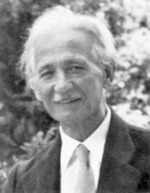
Αλέξανδρος Δελμούζος
Ο Αλέξανδρος Δελμούζος (1880-1956) γεννήθηκε στην Άμφισσα, από αριστοκρατική οικογένεια της πόλης. Σπούδασε στη Φιλοσοφική Σχολή του Πανεπιστημίου Αθηνών και συνέχισε τις σπουδές του στη Γερμανία, όπου γνωρίστηκε με το Γεώργιο Σκληρό. Μετά την επιστροφή του στην Ελλάδα, το 1908 ανέλαβε τη διεύθυνση του Ανώτερου Δημοτικού Παρθεναγωγείου του Βόλου, μετά από πρόταση του Δημητρίου Σαράτση και του Νικολάου Πολίτη. Ο Δελμούζος εφάρμοσε πρωτοποριακές παιδαγωγικές μεθόδους στα πλαίσια των ευρωπαϊκών παιδαγωγικών θεωριών, της πολιτικής θεωρίας του νέου ελληνισμού και της γλωσσικής θεωρίας του δημοτικισμού. Η νεωτεριστική δράση του προκάλεσε αντιδράσεις των συντηρητικών κύκλων, αντιδράσεις οι οποίες σχετίζονταν και με τη σύνδεσή του με το Εργατικό Κέντρο Βόλου. Το 1910 από κοινού με τους Δημήτρη Γληνό και Μανώλη Τριανταφυλλίδη πρωτοστάτησε στην ίδρυση του Εκπαιδευτικού Ομίλου. Το 1911, μετά από κινητοποιήσεις, η λειτουργία του Παρθεναγωγείου ανεστάλη και ο Δελμούζος παραπέμφθηκε μαζί με άλλα στελέχη του Εργατικού Κέντρου σε δίκη στο Ναύπλιο. Τα γεγονότα της δίκης έμειναν στην ιστορία ως τα Αθεϊκά του Βόλου. Ο Δελμούζος αθωώθηκε. Η συνεργασία του με τους Γληνό και Τριανταφυλλίδη συνεχίστηκε επί επαναστατικής κυβερνήσεως Βενιζέλου, όταν οι τρεις άντρες έδρασαν υπέρ της εκπαιδευτικής μεταρρύθμισης από υψηλές θέσεις του Υπουργείου Παιδείας. Την περίοδο εκείνη ο Δελμούζος ολοκλήρωσε το "Αλφαβητάρι" της Συντακτικής Επιτροπής (γνωστό ως "Το αλφαβητάρι με τον ήλιο") και από κοινού με τον Ζαχαρία Παπαντωνίου, τα "Ψηλά βουνά". Μετά την εκλογική ήττα του Βενιζέλου του 1920, έφυγε ξανά για τη Γερμανία, όπου συνδέθηκε με τον παιδαγωγό Γκέοργκ Κέρσενστάινερ, εισηγητή της θεωρίας του Σχολείου Εργασίας. Στην Αθήνα επέστρεψε το 1924 και ο Γληνός του ανάθεσε τη διεύθυνση της Μαρασλείου Παιδαγωγικής Ακαδημίας. Η εκεί δράση του προκάλεσε νέο κύκλο αντιδράσεων (γνωστών ως τα Μαρασλειακά), που οδήγησαν σε νέα δίκη του. Έχασε τη θέση του (όπως και ο Γληνός) και η φήμη του αποκαταστάθηκε μόλις το 1926, μετά την πτώση της δικτατορίας Παγκάλου, οπότε μετά από πρωτοβουλία του Υπουργού Δικαιοσύνης Κωνσταντίνου Τριανταφυλλόπουλου, η περίπτωση του Δελμούζου επανεξετάστηκε και οδηγήθηκε σε αθώωσή του. Το 1927 η ιδεολογική ρήξη του με το Γληνό (που ακολούθησε το δρόμο του μαρξισμού) προκάλεσε τη διάσπαση του Εκπαιδευτικού Ομίλου. Το 1929 ο Δελμούζος διορίστηκε καθηγητής στο Πανεπιστήμιο Θεσσαλονίκης, θέση που διατήρησε ως το 1937, οπότε παραιτήθηκε υπό την πίεση του καθεστώτος του Μεταξά. Κατά τη διάρκεια της πανεπιστημιακής του θητείας ο Δελμούζος συνέβαλε στην ίδρυση και διετέλεσε επόπτης του Πειραματικού Σχολείου του Πανεπιστημίου. Από το 1927 και ως το τέλος της ζωής του διατήρησε χαμηλό προφίλ και ουδέτερη πολιτική στάση, χωρίς ποτέ να πάψει να ασχολείται με τα παιδαγωγικά θέματα. Πέθανε στην Αθήνα. Για περισσότερα βιογραφικά στοιχεία του Αλέξανδρου Δελμούζου βλ. Μανώλης Γιαλουράκης, "Δελμούζος Αλέξανδρος", στη "Μεγάλη εγκυκλοπαίδεια της νεοελληνικής λογοτεχνίας", τ. 6, Αθήνα, Χάρη Πάτση, χ.χ. [1968], Ευάγγελος Π. Παπανούτσος, "Αλέξανδρος Δελμούζος: η ζωή του, επιλογή από το έργο του", Αθήνα, Μορφωτικό Ίδρυμα Εθνικής Τραπέζης, 1978, β' έκδ. 1984, Άννα Φραγκουδάκη, Αλέξης Δημαράς, "Δελμούζος Αλέξανδρος", στο "Παγκόσμιο Βιογραφικό Λεξικό", τ. 3, Αθήνα, Εκδοτική Αθηνών, 1985 και Αλέξης Ζήρας, "Δελμούζος Αλέξανδρος", στο "Λεξικό νεοελληνικής λογοτεχνίας", Αθήνα, Εκδόσεις Πατάκη, 2007. (Πηγή: Αρχείο Συγγραφέων Ε.ΚΕ.ΒΙ.)
-
Βιβλία Γλώσσας - Φιλολογίας
-

Όλες οι κατηγορίες

Κατηγορίες
0