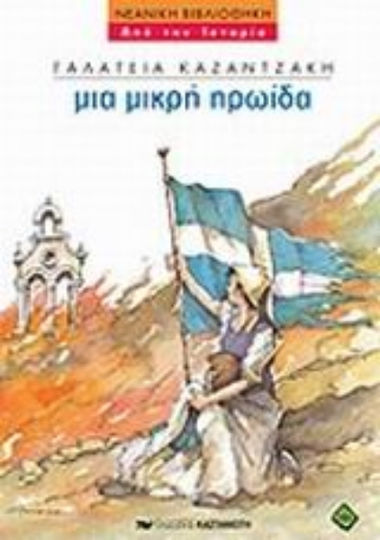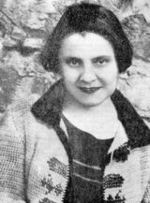
Galateia Kazantzaki
Galatea Kazantzakis (1881-1962). Galatea Alexiou s-a născut în Heraklion, Creta, ca fiica cea mare a tipografului Stylianos Alexiou și a Irinei Zachariadi. Avea trei frați mai mici: Radamanthys, Lefteris și Elli. Educația sa a fost influențată de mediul familial și de frecventarea unei școli franceze. În 1911, s-a căsătorit cu Nikos Kazantzakis, iar mai târziu, într-o a doua căsătorie, s-a măritat cu Markos Avgeris. Ideologic, s-a alăturat Partidului Comunist al Greciei (KKE) de la o vârstă fragedă (în jurul anului 1920) și a fost persecutată pentru activitățile sale de dictatura Metaxas, precum și de guvernul postbelic. A murit în urma rănilor suferite într-un accident de mașină.
Debutul său literar a avut loc în 1906 cu lucrarea în proză "Dictaeon Antron," publicată în revista Pinakothiki sub pseudonimul Lalo de Kastro. Au urmat poezii, traduceri, eseuri critice, piese de teatru și studii în reviste precum Noumas, Nea Zoi, Buletinul Asociației Educaționale, Grammata, Mavros Gatos, Anagennisi, Kritiki Stoa și altele, inițial sub numele său de fată sau pseudonime, iar după prima căsătorie, sub numele Galatea Kazantzakis (din 1914), pe care l-a păstrat chiar și după divorț. În 1928, a preluat rolul de editor de conținut pentru Buletinul Ajutorului Muncitorilor (un organ jurnalistic al KKE), iar în 1931, a devenit redactor-șef al revistei Protoporoi. Ulterior, a colaborat cu revista Neoi Protoporoi și ziarul Eleftheri Gnomi, unde a publicat articole pe teme sociale și politice, ținând totodată prelegeri pe subiecte educaționale și literare și publicând lucrările sale în proză.
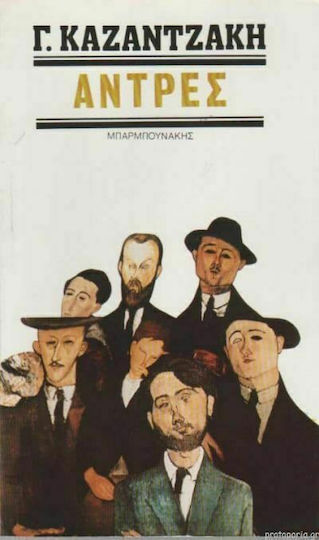
Explorările literare ale Galateei Kazantzakis au început în domeniul estetismului (cu influențe clare de la Nikos Kazantzakis) și au trecut treptat prin câmpurile etnografiei și comentariului social, conducând-o în 1933 cu romanul "Femei" la o încercare de realism socialist. În timpul ocupației germane și al războiului civil, s-a aventurat în literatura de rezistență cu un accent puternic pe umanitarism. Simultan, s-a dezvoltat o confruntare treptată cu Nikos Kazantzakis, culminând cu ultima sa carte intitulată "Oameni și Supraoameni," care viza o portretizare demistificatoare (recunoscută ca fiind unilaterală) a fostului său partener de viață.
Pentru mai multe detalii biografice despre Galatea Kazantzakis, vezi Argyriou Alex., "Kazantzakis Galatea," Dicționarul Biografic Mondial 4. Atena, Ekdotiki Athinon, 1985, Omagiu: Galatea Kazantzakis: In Memoriam. Atena, 1964, Kastrinaki Angela, "Galatea Kazantzakis," Proza Noastră Mai Vechi: De la Începuturile Sale până la Primul Război Mondial I (1900-1914), pp. 422-446. Atena, Sokolis, 1997, și Mavroeidi-Papadaki Sophia, "Kazantzakis Galatea," Marea Enciclopedie a Literaturii Grecești Moderne 7. Atena, Hari Patsi, n.d. (Sursa: Arhiva Scriitorilor Greci, EKEBI).
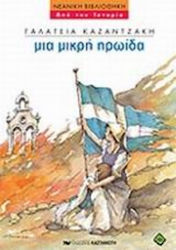

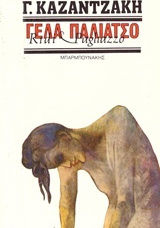
 Cărți de ficțiune grecești
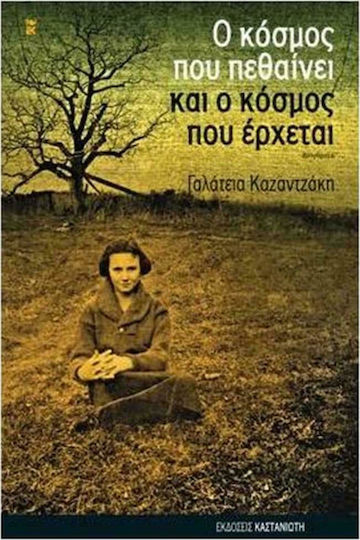 Cărți de ficțiune grecești