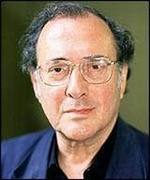
Harold Pinter
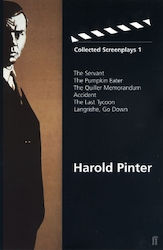
Ο Χάρολντ Πίντερ (1930-2008) γεννήθηκε στη φτωχική συνοικία του Λονδίνου Χάκνεϊ, όπου πέρασε τα παιδικά του χρόνια. Παρακολουθεί θεατρικές σπουδές και το 1950 δημοσιεύει τα πρώτα του ποιήματα. Την ίδια χρονιά προσλαμβάνεται από το ραδιόφωνο του BBC ως ηθοποιός και στη συνέχεια παίρνει μέρος σε θεατρικές παραστάσεις στο Λονδίνο, όπου αρχίζει να χρησιμοποιεί το καλλιτεχνικό όνομα Ντέιβιντ Μπάρον. Το 1957 γράφει το πρώτο του θεατρικό έργο, "Το δωμάτιο", που σημειώνει επιτυχία, αντίθετα με το "Πάρτι γενεθλίων", που ανεβαίνει το 1958 κι αντιμετωπίζεται αρνητικά από την κριτική, με αποτέλεσμα να κατεβεί στο τέλος της πρώτης εβδομάδας. Θα ακολουθήσουν άλλα έργα που αρχίζουν να επιβάλλουν τον Πίντερ ως τον πιο σημαντικό Άγγλο δραματουργό ("Το βουβό γκαρσόνι", "Ο επιστάτης", "Η επιστροφή", κ.ά.). Το 1963 "Ο επιστάτης" γυρίζεται σε ταινία και κερδίζει την Αργυρή Άρκτο στο φεστιβάλ Βερολίνου. Παράλληλα, ο Πίντερ αρχίζει να γράφει σενάρια για τον κινηματογράφο ("Ο υπηρέτης", "Επιχείρηση Κουίλερ", "Η ερωμένη του Γάλλου υπολοχαγού, κ.ά."), εμφανίζεται σε διάφορα έργα ως ηθοποιός, ενώ αργότερα αρχίζει να σκηνοθετεί δικά του και ξένα έργα. Του απονέμονται διάφορα βραβεία. Ανάμεσά τους το βραβείο Βρετανικής Λογοτεχνίας Ντέιβιντ Κόεν το 1995 και το θεατρικό βραβείο Λόρενς Ολίβιε το 1996 για το σύνολο της προσφοράς του στο θέατρο. Το 1997 του απονεμήθηκε το Ειδικό Βραβείο του "Πανοράματος Ευρωπαϊκού Κινηματογράφου" της "Ελευθεροτυπίας" για το σύνολο της κινηματογραφικής προσφοράς του. Αντίθετα, αρνήθηκε το βραβείο του Βρετανού Ιππότη που θα του απένεμε η βασίλισσα της Αγγλίας. Το 1985 εξοργίζεται, όταν στην επίσκεψή του, μαζί με τον Άρθουρ Μίλερ, στην Τουρκία, πληροφορείται για τα βασανιστήρια των πολιτικών κρατουμένων, ιδιαίτερα των συγγραφέων, με αποτέλεσμα να πάρει θέση ενάντια στην αμερικανική υποστήριξη του τότε τουρκικού στρατιωτικού καθεστώτος. Αρκετές φορές ο Πίντερ κατήγγειλε τον αμερικανικό ιμπεριαλισμό και πήρε ενεργό μέρος σε εκδηλώσεις διαμαρτυρίας εναντίον της αμερικανικής πολιτικής υποστήριξης δικτατοριών και επέμβασης στα εσωτερικά άλλων χωρών -ενώ ήταν ιδιαίτερα δριμύς στις καταγγελίες του εναντίον των νατοϊκών βομβαρδισμών στη Σερβία και των στρατιωτικών επεμβάσεων των ΗΠΑ και των εταίρων τους στο Αφγανιστάν και στο Ιράκ. Σε ηλικία 75 ετών, καταπονημένος από πολυετή μάχη με τον καρκίνο, τιμήθηκε από τη Σουηδική Ακαδημία με το βραβείο Νόμπελ Λογοτεχνίας 2005. Παρά την εξασθενημένη του υγεία, συνέχισε να ασχολείται ενεργά με το θέατρο, δίνοντας ρεσιτάλ υποκριτικής στο μοναδικό ρόλο της παράστασης "Η τελευταία μαγνητοταινία του Κράπ" του Σ. Μπέκετ, για την 50η επέτειο του Royal Court Theatre, τον Οκτώβριο του 2006, ή διασκευάζοντας το "Sleuth" του Άντονι Σάφερ για την ομότιτλη ταινία του Κένεθ Μπράνα με τους Μάικλ Κέιν και Τζουντ Λο, το 2007. Η "επάρατος" νόσος κατάφερε, τελικά, να καταβάλει οριστικά την υγεία του, την παραμονή των Χριστουγέννων του 2008.