Κώστας Τσόκλης
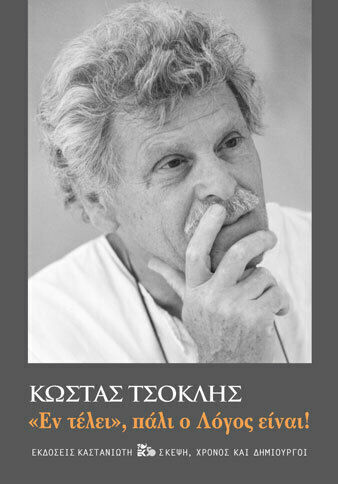
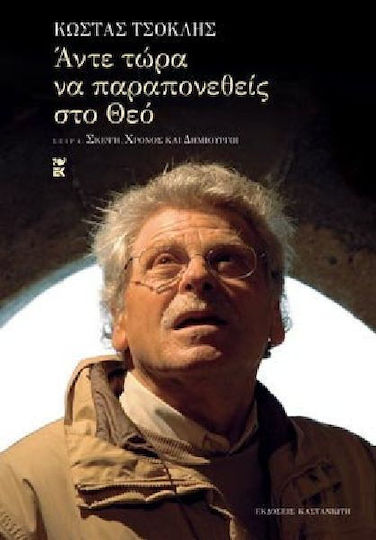
Ο Κώστας Τσόκλης είναι Έλληνας εικαστικός καλλιτέχνης. Γεννήθηκε στην Αθήνα το 1930. Σπούδασε στην Ανώτατη Σχολή Καλών Τεχνών έως το 1954. Από το 1957 έως το 1960 συνέχισε τις σπουδές του στη Ρώμη με υποτροφία του Ι.Κ.Υ. Από το 1960 έως το 1984 έζησε και εργάστηκε στο Παρίσι, με μια μικρή διακοπή το 1971-72 όπου έμεινε στο Βερολίνο καλεσμένος από τη D.A.A.D. Το 1984 εγκαταστάθηκε μόνιμα στην Αθήνα. Το έργο του απέκτησε διεθνή απήχηση από τα τέλη της δεκαετίας του 1960 όταν άρχισε να εκθέτει τα προοπτικά "Αντικείμενα". Από τότε συνέχισε να πειραματίζεται συστηματικά με διάφορα μέσα έκφρασης, τη ζωγραφική, τη γλυπτική, το σχέδιο, τη φωτογραφία, τις κατασκευές, το βίντεο, την performance, το φως και τον ήχο, αναζητώντας νέους τρόπους προσέγγισης των αντικειμένων, της φύσης, των μύθων αλλά και των κοινωνικών προβλημάτων. Σταθμό σε αυτόν τον αδιάκοπο προβληματισμό αποτέλεσε η συμμετοχή του στη Μπιενάλε της Βενετίας του 1986, όπου εκπροσώπησε την Ελλάδα με μια σειρά έργων όπως το "Καμακωμένο ψάρι" και τα "Πορτρέτα", ζωγραφικούς πίνακες πάνω στους οποίους προβαλλόταν η βιντεογραφημένη εικόνα. Αυτά αποτέλεσαν την πρόταση για μια "ζωντανή ζωγραφική" (living painting), την οποία εξέλιξε το 1990 με την εισαγωγή του συγκεκριμένου χρόνου θέασης στο εικαστικό έργο τέχνης, για το σύνθετο πολυθέαμα "Μήδεια", που παρουσιάστηκε στο Cadran Solaire στην πόλη Troyes (Γαλλία). Ο Κώστας Τσόκλης έχει πραγματοποιήσει πάνω από εκατό ατομικές εκθέσεις σε Μουσεία και γκαλερί όλου του κόσμου, στο Palais des Beaux-Arts στις Βρυξέλλες (1971), στην Kunsthalle του Ντίσελντορφ (1972), στην Πινακοθήκη Πιερίδη στην Αθήνα (1983), στο Μουσείο Luigi Pecci στο Πράτο της Ιταλίας (2000), στο Εθνικό Μουσείο Σύγχρονης Τέχνης της Αθήνας (2000-2001), στο Palazzo Strozzi της Φλωρεντίας (2003) κ.ά. Παρουσίασε το έργο του σε ατομικές εκθέσεις στις μεγαλύτερες ευρωπαϊκές και αμερικανικές πόλεις και συμμετείχε σε σημαντικές ομαδικές διεθνείς διοργανώσεις, όπως η Μπιενάλε του Παρισιού (1963 και 1965), του Sao Paulo (1965) και η Documenta του Κάσσελ (1975). Το 1986 εκπροσώπησε, μαζί με το Χρίστο Καρά, την Ελλάδα στη Biennale της Βενετίας. Το Μουσείο Φρυσίρα παρουσίασε αφιέρωμα στα νεανικά του έργα (1950-59) το 2001. Την ίδια χρονιά πραγματοποιήθηκε μεγάλη αναδρομική του έργου του στο Εθνικό Μουσείο Σύγχρονης Τέχνης. Μαζί με τους Βλάση Κανιάρη, Γιάννη Γαΐτη, Νίκο Κεσσανλή και Δημήτρη Κοντό, συμμετείχε στην καλλιτεχνική ομάδα Gruppo Sigma, στη Ρώμη στα τέλη της δεκαετίας του 1950. Έργα του κοσμούν δημόσιους χώρους, όπως το προαύλιο του Αρχαιολογικού Μουσείου Θεσσαλονίκης (Αφιέρωμα στον Αλέξανδρο Ιόλα) και το Σταθμό Εθνικής Αμύνης του Μετρό της Αθήνας (Υπόγειο πάρκο).