Bob Dylan
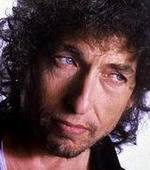
Bob Dylan
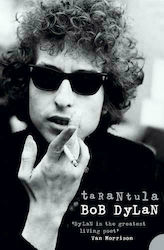
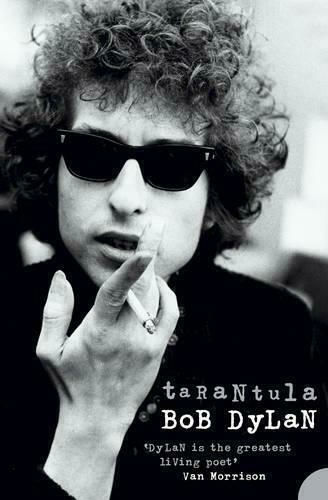
Ο Bob Dylan γεννήθηκε στις 24 Μαϊου 1941 στη Μινεσότα. Το πραγματικό του όνομα είναι Robert Allen Zimmerman. Μεγάλωσε στην μικρή πόλη Hibbing, γιος καταστηματάρχη. Ενώ βρισκόταν ακόμη στο λύκειο, άρχισε να παίζει κιθάρα και φυσαρμόνικα, σ' ένα νεανικό συγκρότημα, τους Golden Chords. Το 1959 μπήκε στο πανεπιστήμιο της Μινεσότα, όπου όμως τον περισσότερο καιρό του τον περνούσε παίζοντας μουσική folk σε τοπικά καφέ, παρά διαβάζοντας, με αποτέλεσμα, έναν χρόνο αργότερα, να εκδιωχθεί από το πανεπιστήμιο, κάνοντας αμέσως ωτοστόπ για Νέα Υόρκη. Έχοντας ήδη υιοθετήσει τ' όνομα Bob Dylan (που δανείστηκε από τον ποιητή Dylan Thomas), ο νεαρός συνθέτης και τραγουδιστής έγινε η πηγή αναφοράς της τοπικής σκηνής του Greenwich Village. O Bob Dylan είχε πρώιμα αντλήσει το υλικό της έμπνευσής του από την μουσική του Woody Guthrie και στα τέλη του 1961 υπέγραψε το πρώτο του δισκογραφικό συμβόλαιο με την εταιρεία Columbia. Το πρώτο του άλμπουμ, με τίτλο τ' όνομά του, κυκλοφόρησε το 1962 και περιείχε κυρίως διασκευές σε παραδοσιακά folk τραγούδια. Η δεύτερη όμως κυκλοφορία του, το άλμπουμ "The Freewheelin Bob Dylan", περιείχε πολλές δικές του συνθέσεις διαμαρτυρίας, όπως το τραγούδι "Blowin in the Wind", που τον καθιέρωσε σαν μία από τις βασικές πολιτικές μορφές της εποχής, ενώ ταυτόχρονα τον "επέβαλε" σαν έναν από τους πιο δημοφιλείς μουσικούς και συνθέτες. Με το τραγούδι "The Times they Are a Changin", συνέχισε να "χτίζει" την φήμη του σαν τραγουδιστής διαμαρτυρίας, αλλά με το άλμπουμ "Another Side of Bob Dylan", ανέδειξε και τις ενδόμυχες - εσωτερικές πτυχές της προσωπικότητάς του. Το άλμπουμ "Bringing it All Back Home" έγινε το πρώτο πλατινένιο του, αποτελούμενο από μία μίξη ακουστικών και ηλεκτρικών τραγουδιών, που εξέπληξαν τους οπαδούς του, κυρίως αυτούς της folk σχολής, με αποκορύφωμα την "rock" συμμετοχή του, το 1965, στο Newport Folk Festival, όπου και ξεσήκωσε θύελλα αντιδράσεων από το σκληροπυρηνικό κοινό του, που τον κατηγόρησε για "ξεπούλημα" στην rock. Με τα άλμπουμς του να πουλάνε σταθερά, με πολλά συγκροτήματα να διασκευάζουν συνθέσεις του και πολλά άρθρα στον Τύπο, δεν αποτέλεσε έκπληξη το γεγονός της κυκλοφορίας του blues - rock άλμπουμ "Highway 61 Revisited", που έγινε και το πιο επιτυχημένο μέχρι τότε, "μπαίνοντας" μέσα στο Τοπ 10, χάρη στην Νο 2 επιτυχία "Like a Rolling Stone", ένα γεγονός που ενίσχυσε την ολοένα αυξανόμενη "υποταγή" του στον κόσμο της ποπ. Την άνοιξη του 1966 κυκλοφόρησε το φημισμένο διπλό άλμπουμ "Blonde on Blonde", που θεωρήθηκε σαν ένα από τα πλέον κλασσικά της δεκαετίας εκείνης. Με Τοπ 10 επιτυχίες, όπως τα τραγούδια "Rainy Day Women" part No 12 & 35 και "Positively 4th Street", το άλμπουμ αυτό σημείωσε τόσο εμπορική, όσο και καλλιτεχνική επιτυχία. Παρά τους, συχνά, αινιγματικούς στίχους του και την ασυνήθιστη προσωπικότητά του, ο Bob Dylan ήταν πια ένα μεγάλο αστέρι της rock. Δυστυχώς όμως, τον Ιούλιο της ίδιας χρονιάς, τραυματίστηκε άσχημα σ' ένα ατύχημα με μηχανές και υποχρεώθηκε να παραμείνει για δύο χρόνια καθηλωμένος, αποκλίνοντας από τη σημαντική πορεία της καριέρας του. Εκείνη την εποχή πέρασε πολύ χρόνο με την οικογένειά του, παρ' όλο που, μαζί με το συγκρότημά του τότε, τους "The Band", ηχογραφούσε ένα περισσότερο "περιπετειώδες" υλικό, που δεν υπήρχε πρόθεση να κυκλοφορήσει ποτέ. Παρ' όλα αυτά, τα νέα τραγούδια "έφθασαν" στα χέρια κάποιων και από τότε άρχισε και η ιστορία των Bootlegs albums... Όλα αυτά το τραγούδια κυκλοφόρησαν αμέσως ανάμεσα στους οπαδούς του, καταλήγοντας στην επίσημη κυκλοφορία του άλμπουμ "The Basement Tapes". Όταν ο Bob Dylan επέστρεψε, το 1967, με το άλμπουμ "John Wesley Harding", το ύφος του είχε γίνει πιο "θρησκευτικό", ίσως σαν αποτέλεσμα της παραλίγο "επαφής" του με τον θάνατο ή ίσως εξαιτίας μίας υλοποίησης της νέας "Εποχής του Υδροχόου". Έτσι κι αλλιώς, το άλμπουμ αυτό ήταν πιο αργό, με country νύξεις, που και πάλι προκάλεσε μεγάλη έκπληξη στους πιστούς φίλους του, χωρίς όμως να το εμποδίσουν να φθάσει στο Νο 2 του Τοπ 10. Επεκτείνοντας τις country αναφορές του, κυκλοφόρησε το 1969 το άλμπουμ "Nashville Skyline", ηχογραφημένο στο Νάσβιλ, με country session μουσικούς, περιλαμβάνοντας κι ένα ντουέτο με τον θρύλο της country, Johnny Cash. Παρά την ασυνήθιστη και πρωτοποριακή αυτή κίνηση, το άλμπουμ γνώρισε μεγάλη επιτυχία, χάρη στο Τοπ 10 τραγούδι "Lay lady lay". Το 1970, τα δύο επακόλουθα άλμπουμς ("Self Portrait", "New Morning"), δεν τα υποδέχτηκε τόσο πολύ θετικά το κοινό του, σκεπτόμενο ότι ο Dylan είχε πια τελειώσει. Ο Dylan στην συνέχεια πέρασε ένα διάστημα απομόνωσης. Το 1971 ο Bob Dylan εξέδωσε το βιβλίο του "Tarantula", κάνοντας ταυτόχρονα και μία δημόσια σπάνια εμφάνιση στο κονσέρτο για το Μπαγκλαντές, θεωρούμενος σαν το βασικό πρότυπο για όλες τις μελλοντικές, χωρίς κερδοσκοπικό ενδιαφέρον, συναυλίες. Η συνεισφορά του στην επόμενη συλλογή, του επέτρεψε να μοιραστεί το βραβείο Grammy στην κατηγορία του "Άλμπουμ της χρονιάς". Το 1972 ο Bob Dylan έκανε το ντεμπούτο του σαν ηθοποιός, στην ταινία Pat Garrett & Billy the Κid, συνθέτοντας παράλληλα και την μουσική της ταινίας, στην οποία περιλαμβανόταν και το επιτυχημένο τραγούδι "Knockin/ on Heaven's Door". Τον επόμενο χρόνο, άφησε επίσημα την εταιρεία Columbia, υπογράφοντας συμβόλαιο με την Asylum. Σε ανταπόδοση, η Columbia, κυκλοφόρησε μία συλλογή, με τίτλο "Dylan". Παρ' όλα αυτά ο ίδιος κυκλοφόρησε το Νο 1 άλμπουμ "Planet Waves", που περιείχε και το τραγούδι "Forever Young". Το 1974 περιόδευσε στην Αμερική, μαζί με τους "The Band", γράφοντας και πάλι ιστορία, όταν 6 εκατομμύρια οπαδοί του αγωνιζόντουσαν να βρουν ένα από τα διαθέσιμα 650.000 εισιτήρια! Στην συνέχεια, ξεκίνησε και μία παγκόσμια περιοδεία, που αποτυπώθηκε στο άλμπουμ "Before the Flood". Επιστρέφοντας στην Columbia, κυκλοφόρησε το 1975, το άλμπουμ "Blood on the Tracks", ακόμη ένα Νο 1, που του προσέφερε το βραβείο Grammy στην κατηγορία του "Καλλιτέχνη της χρονιάς". Η περιοδεία του, αμέσως μετά, με τον τίτλο "Rolling Thunder Tour", στην οποία συμμετείχαν και οι Joan Baez, Joni Mitchell, Arlo Guthrie και Allen Ginsberg, ανάμεσα σε άλλους, ήταν μεγάλη επιτυχία. Κατά την διάρκεια της επικής αυτής περιοδείας, ένα νέο studio άλμπουμ κυκλοφόρησε, με τίτλο "Desire" ένα ακόμη Νο 1 άλμπουμ, που ακολουθήθηκε από το ζωντανά ηχογραφημένο "Hard Rain". Επιπρόσθετα, πολλές από τις εμφανίσεις του αποτυπώθηκαν σε ταινία για μελλοντική χρήση, που τελικά κατέληξαν να χρησιμοποιηθούν στην ταινία του 1978 "Renaldo and Clara". Μετά από μία ακόμη περιοδεία και το άλμπουμ του 1978 "Street Legal", ο Bob Dylan ανακοίνωσε την μεταστροφή του στον Χριστιανισμό. Η νέα πίστη του κορυφώθηκε με την κυκλοφορία του άλμπουμ "Slow Train Coming", ένα Τοπ 3 άλμπουμ και ακολούθησαν τα "Saved και Shot of Love", που αναφέρονταν σε θρησκευτικής υφής - φύσης ζητήματα. Ο Bob Dylan άρχισε να ερμηνεύει αποκλειστικά και μόνο το νέο Χριστιανικό υλικό του, εξαγριώνοντας πολλούς από τους πιστούς και πολύχρονους οπαδούς του. Το 1982 αγκάλιασε ξανά τον Ιοϋδαϊσμό, μέσα από την κίνηση του Lubavitch Chabad Movement, ανακοινώνοντας δημόσια την πνευματική του αναγέννηση μ' ένα προσκύνημα στο Ισραήλ. Το επόμενό του άλμπουμ, "Infidels", σε παραγωγή του Mark Knopfler (Dire Straits), επέστρεψε σε πιό εγκόσμιο υλικό, δεχόμενο καλές κριτικές. Κατά την διάρκεια του μεγαλύτερου μέρους αυτής της δεκαετίας, ο Bob Dylan, παρέμεινε στον "δρόμο", περιοδεύοντας με συγκροτήματα και καλλιτέχνες όπως Grateful Dead, Tom Petty & the Heartbreakers...Το 1988 ένωσε τις δυνάμεις του με τους Travelling Wilburys, ένα supergroup, που απαρτιζόταν από τους Tom Petty, George Harrison, Roy Orbison και Jeff Lynne, ηχογραφώντας μαζί τους δύο άλμπουμς. Παράλληλα, το άλμπουμ του "Oh Mercy" δέχτηκε επίσης θετικές κριτικές, εκπέμποντας ελπίδες μίας "υγιούς", στα μάτια των οπαδών του, επιστροφής που όμως εξανεμίστηκαν με την κυκλοφορία του άλμπουμ "Under The Red Sky". Επίσης, εκείνη την περίοδο, αμέτρητες συλλογές και κασετίνες, με δεύτερες εκτελέσεις, σπάνιες ηχογραφήσεις και ζωντανά ηχογραφημένο υλικό, "παρουσιάστηκαν... Κατά την διάρκεια της δεκαετίας του '90, ο Bob Dylan συνέχισε να περιοδεύει σε τακτικά χρονικά διαστήματα, εξασκώντας ταυτόχρονα, στον ελεύθερο χρόνο του, το ζωγραφικό του ταλέντο. Τα άλμπουμς "Good as I Been to You" και "World Gone Wrong" τον βρήκαν να επανέρχεται στην σκληροπυρηνική folk, κερδίζοντας κι ένα ακόμη βραβείο Grammy, στην πορεία. Το άλμπουμ του 1997, "Time Out of Mind", σε παραγωγή Daniel Lanois, απέσπασε πολύ ενθαρρυντικές κριτικές, κερδίζοντας και τρία βραβεία Grammy. Το 2000 ερμήνευσε το τραγούδι "Things Have Changed", για το soundtrack της ταινίας "Wonder Boys", που του χάρισε ένα Golden Globe και ένα Oscar, την επόμενη χρονιά, στην κατηγορία του "Καλύτερου τραγουδιού". Τον Οκτώβριο του 2016 τιμήθηκε με το βραβείο Νόμπελ Λογοτεχνίας "για τη δημιουργία νέων ποιητικών εκφράσεων εν μέσω της μεγάλης Αμερικανικής παράδοσης τραγουδιών", σύμφωνα με την ανακοίνωση της Σουηδικής Ακαδημίας.

0
0
0

0
0
0

0
0
0