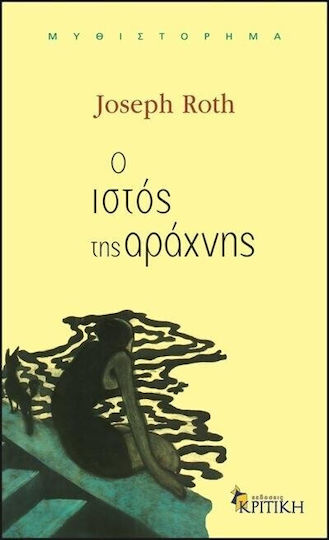
Joseph Roth
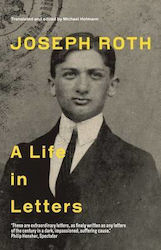
Ο Γιόζεφ Ροτ γεννήθηκε το 1894 από εβραίους γονείς στην Ανατολική Γαλικία (σημερινή Ουκρανία). Σπούδασε φιλοσοφία και γερμανική φιλολογία στο Λέμπεργκ και στη Βιέννη. Το 1916 κατάχθηκε στον αυστριακό στρατό και έλαβε μέρος στον Πρώτο Παγκόσμιο πόλεμο. Στο διάστημα του μεσοπολέμου εργάστηκε ως δημοσιογράφος στη Βιέννη και στο Βερολίνο, όπου έζησε δώδεκα χρόνια (μετά το 1920). Ήδη από το 1922 εντοπίζει και στηλιτεύει από τους πρώτους τον Χίτλερ. Εβραίος ο ίδιος, ασκεί έντονη κριτική στη συμβιβαστική στάση της εβραϊκής κοινότητας. Το πρώτο του μυθιστόρημα, "Το δίχτυ της αράχνης", δημοσιεύτηκε το 1923 σε συνέχειες σε αυστριακή εφημερίδα και είχε αρκετή επιτυχία. Το 1926 έμεινε τέσσερις μήνες στη Σοβιετική Ένωση όπου αρχίζει να γράφει τα μυθιστορήματα "Φυγή χωρίς τέλος" και "Ο βουβός προφήτης". Από το 1932 δηλώνει σ' ένα φίλο του: "Πρέπει να φύγουμε. Θα κάψουν τα βιβλία μας και θα είμαστε εμείς ο στόχος... Πρέπει να φύγουμε ώστε μόνο τα βιβλία μας να παραδοθούν στην πυρά." Στις 30 Ιανουαρίου του 1933, τη μέρα που ο Χίτλερ αναγορεύεται καγκελάριος του Ράιχ, ο Ροτ μεταναστεύει οριστικά στο Παρίσι, όπου θα περάσει τα τελευταία χρόνια της ζωής του φτωχός και αλκοολικός, ως το θάνατό του το 1939. Άφησε έργο εκτεταμένο και ποικίλο: δεκατρία μυθιστορήματα, οχτώ μεγάλα αφηγήματα, τρεις τόμους δοκιμίων και ανταποκρίσεων, αμέτρητα άρθρα. Κυριότερα μυθιστορήματά του: "Hotel Savoy" (1924), "Φυγή χωρίς τέλος" (1927), "Το εμβατήριο Ραντέτσκι" (1932) και "Η κρύπτη των Καπουτσίνων" (1938). Στο κύκνειο άσμα του, "Ο θρύλος του Αγίου Πότη" (1939), ο Ροτ χωρίς να αυτοβιογραφείται, δίνει μια γλαφυρή, γλυκιά και ταυτόχρονη τραγική μυθιστορία της απόλυτης παράδοσης στο πάθος του.




 Λογοτεχνικά Βιβλία στα Ελληνικά