August Strindberg
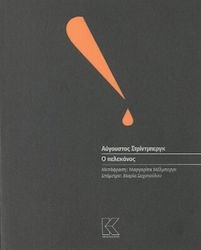
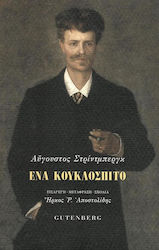
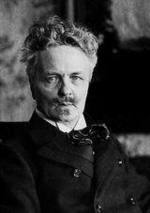
(Στοκχόλμη, 1849-1912) Πολυγραφότατος Σουηδός συγγραφέας και δραματουργός, πατέρας -κατά τον Ο' Νήλ- του σύγχρονου θεάτρου. Δύσκολη παιδική ηλικία, παράφορη φύση και ασταθής, οργισμένος ατομικισμός, βίαιος ενίοτε μισογυνισμός και διαρκής αναζήτηση του απόλυτου χαρακτηρίζουν τον Στρίντμπεργκ αλλά και τα πρόσωπα των έργων του, κατά το μάλλον ή ήττον αυτοβιογραφικών ("Ο γιός της δούλας"). Η σκέψη του, επηρεασμένη από τον Kierkegaard, τον Nietzsche, τον Rousseau και τον Fourier, τον οδηγεί εκείθεν του ρομαντισμού, στον αθεϊσμό και τον μυστικισμό. Δεινός ερμηνευτής της συμπεριφοράς των ανθρώπων και των μυστηρίων του υποσυνείδητου, περνάει με θαυμαστή ευχέρεια από τον πιό σκληρό νατουραλισμό στόν πλέον αέρινο συμβολισμό. Καταγγέλλει τον θρίαμβο της βίας στις διαπροσωπικές σχέσεις και την αδυναμία επικοινωνίας του ενός με τον άλλο, όσο και του ενός με τους πολλούς, έχοντας ο ίδιος φτάσει στα πρόθυρα της τρέλας ύστερα από τις οδυνηρές αποτυχίες των τριών γάμων του. Ο αριθμός τρία σηματοδοτεί και το έργο του, που διαιρείται σε ισάριθμες περιόδους. Η νατουραλιστική περίοδος σημαδεύεται με επιρροές από τόν Valles και τον Zola και περιλαμβάνει έργα όπως: "Το κόκκινο δωμάτιο" (μυθιστόρημα που θα προκαλέσει κοινωνικό σκάνδαλο), τα τρία θεατρικά "Ο πατέρας" (πιθανώς, νατουραλιστική παραλλαγή του κλασικού μύθου του Αγαμέμνονα και της Κλυταιμνήστρας), "Δεσποινίς Τζούλια" και "Οι δανειστές", οι σουηδικές ιστορικές τραγωδίες "Ο κύρ Ούλοφ", "Γουσταύος Βάσα" και "Γουσταύος Αδόλφος" και, τέλος, το δράμα "Ο χορός του θανάτου". Ακολουθεί η περίοδος του μυστικισμού, ενός γαληνεμένου μυστικισμού, εμπνευσμένου από τον θεόσοφο Swedenborg ("Ονειρόδραμα"). Η τρίτη περίοδος φωτίζεται από ένα διαυγές ουμανιστικό φως χάρη στο Intima Teatern (1907), ένα μικρό θέατρο το οποίο ο ίδιος ο Στρίντμπεργκ δημιουργεί και διευθύνει για να παρουσιάσει εκεί την "Καταιγίδα", τον "Πελεκάνο", τη "Σονάτα των φαντασμάτων", έργα δωματίου διαποτισμένα με σκληρότητα και απόγνωση.