Ι. Μ. Παναγιωτόπουλος
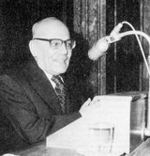
Ι. Μ. Παναγιωτόπουλος
Όλα τα βιβλία



 Λογοτεχνικά Βιβλία στα Ελληνικά
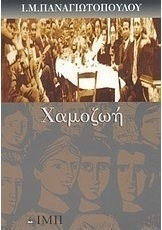
Χαμοζωή, Χρονικό του Παλιού Καιρού
Ι. Μ. Παναγιωτόπουλος, 2002 , Σχολή Ι. Μ. Παναγιωτόπουλου
 Λογοτεχνικά Βιβλία στα Ελληνικά
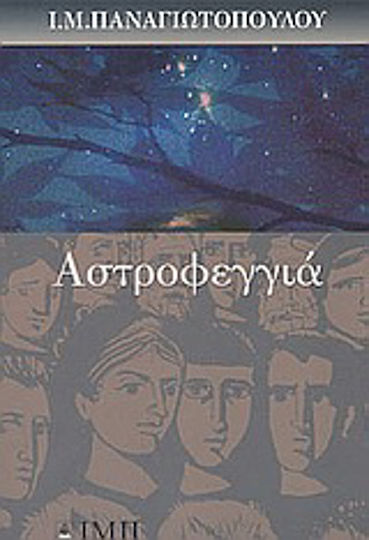
Αστροφεγγιά, Η Ιστορία Μιας Εφηβείας
Ι. Μ. Παναγιωτόπουλος, 2011 , Σχολή Ι. Μ. Παναγιωτόπουλου
 Λογοτεχνικά Βιβλία στα Ελληνικά
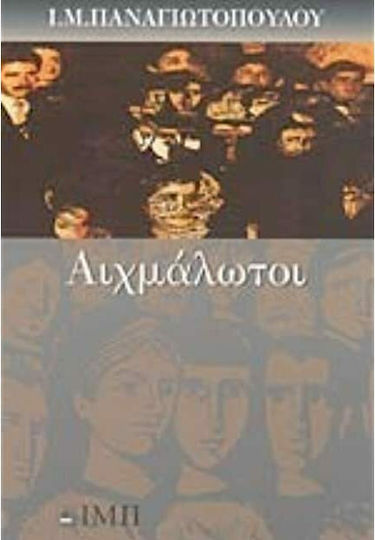
Αιχμάλωτοι, Μια Ιστορία της Ειρήνης, του Πολέμου και της Σκλαβιάς
Ι. Μ. Παναγιωτόπουλος, 2002 , Σχολή Ι. Μ. Παναγιωτόπουλου
- Λογοτεχνικά Βιβλία στα Ελληνικά
Η Κριτική για τον Άλκη Θρύλο
Συλλογικό Έργο, 2009 , Ίδρυμα Κώστα και Ελένης Ουράνη
- Λογοτεχνικά Βιβλία στα Ελληνικά
Αστροφεγγιά, Η Ιστορία Μιας Εφηβείας
Ι. Μ. Παναγιωτόπουλος, 2002 , Σχολή Ι. Μ. Παναγιωτόπουλου
- Βιβλία για τον Ελεύθερο Χρόνο & τα Χόμπι
Η Αφρική αφυπνίζεται, Ένα ταξίδι: Ερυθραία, η άλλη Αιθιοπία, Κένυα, Ουγκάντα, Ταγκανίκα, Ζανζιβάρη
Ι. Μ. Παναγιωτόπουλος
Παράδοσηέως Πέμ, 29 Οκτ - Βιβλία Ιστορίας
Η Μούσα για το '21 - Επετειακά Κείμενα για τα 200 Χρόνια από την Επανάσταση του 1821
Πόπη Μπαλαμώτη - Σπιτά, Κωνσταντίνα Τασσοπούλου κ.α.
- Λογοτεχνικά Βιβλία στα Ελληνικά
Το Δαχτυλίδι με τα Παραμύθια
Ι. Μ. Παναγιωτόπουλος, 2003 , Σχολή Ι. Μ. Παναγιωτόπουλου
- Λογοτεχνικά Βιβλία στα Ελληνικά
Επιστολές ι. μ. Παναγιωτόπουλου και Εμμ. και Αικ. Κριαρά
Εμμανουήλ Κριαράς, Ι. Μ. Παναγιωτόπουλος κ.α., 2004 , Σχολή Ι. Μ. Παναγιωτόπουλου
- Λογοτεχνικά Βιβλία στα Ελληνικά
Ανθρώπινη Δίψα, Διηγήματα
Ι. Μ. Παναγιωτόπουλος, 2003 , Σχολή Ι. Μ. Παναγιωτόπουλου
- Λογοτεχνικά Βιβλία στα Ελληνικά
Μνήμη του Ηλία Βενέζη, Πέντε Χρόνια από τον Θάνατό του
Συλλογικό Έργο, 1999 , Ευθύνη
- Λογοτεχνικά Βιβλία στα Ελληνικά
Αλληλογραφία, Μυθιστόρημα
Ι. Μ. Παναγιωτόπουλος, 2003 , Σχολή Ι. Μ. Παναγιωτόπουλου
- Λογοτεχνικά Βιβλία στα Ελληνικά
Μεβλανά ο Εξαίσιος, Το Παραμύθι Μιας Ζωής
Ι. Μ. Παναγιωτόπουλος, 2007 , Σχολή Ι. Μ. Παναγιωτόπουλου
- Επιστημονικά Βιβλία
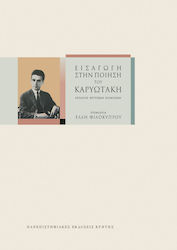
Εισαγωγή Στην Ποίηση Του Καρυωτάκη
Γιάννης Παπακώστας, Ευριπίδης Γαραντούδης κ.α., 2025
- Λογοτεχνικά Βιβλία στα Ελληνικά
Η Κριτική για τον Πέτρο Χάρη
Συλλογικό Έργο, 2009 , Ίδρυμα Κώστα και Ελένης Ουράνη
- Λογοτεχνικά Βιβλία στα Ελληνικά
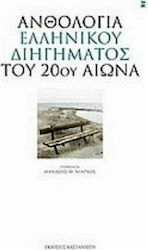
Ανθολογία Ελληνικού Διηγήματος του 20ού Αιώνα
Συλλογικό Έργο, 2009 , Εξώφυλλο: Σκληρό , Εκδόσεις Καστανιώτη
