Iris Murdoch
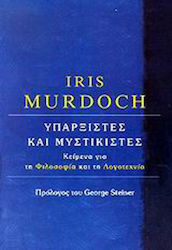
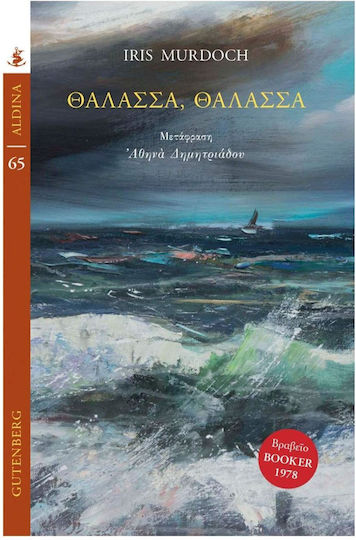
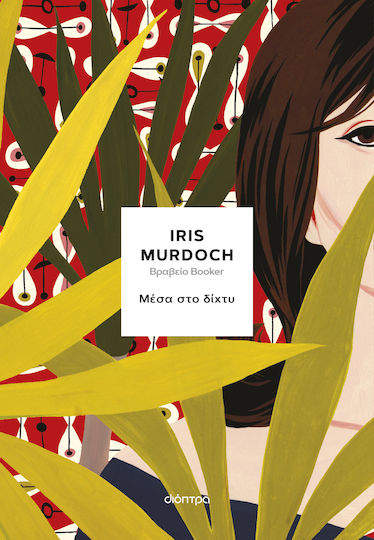
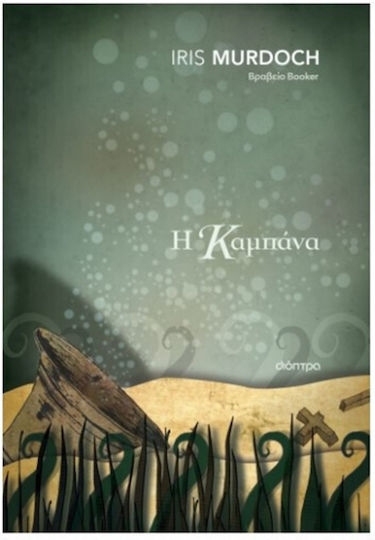
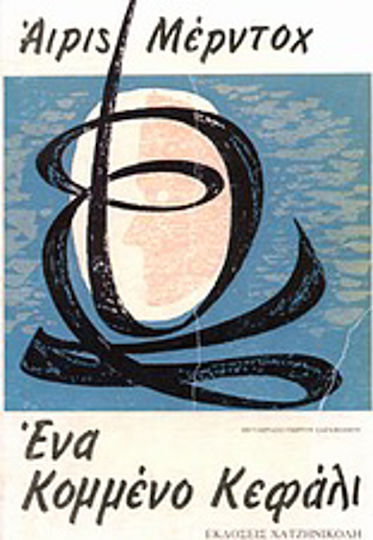
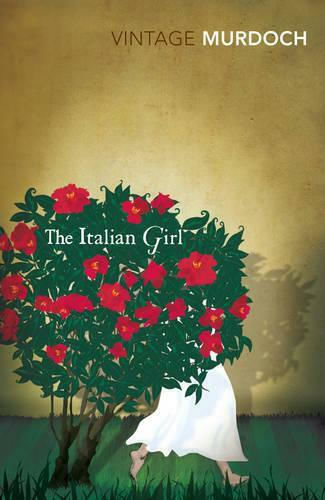
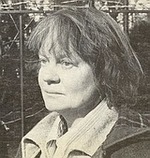
Η Άιρις Μέρντοχ γεννήθηκε στο Δουβλίνο το 1919 από γονείς Άγγλους και Ιρλανδούς. Πήγε σχολείο στο Μπρίστολ και σπούδασε κλασική φιλολογία στην Οξφόρδη. Κατά τη διάρκεια του πολέμου εργάστηκε για την UNRRA στο Λονδίνο, το Βέλγιο και την Αυστρία. Κέρδισε μια υποτροφία φιλοσοφίας στο Καίμπριτζ και το 1948 επέστρεψε στην Οξφόρδη, όπου άρχισε να διδάσκει φιλοσοφία στο St. Anne's College. Το 1956 παντρεύτηκε τον καθηγητή και κριτικό λογοτεχνίας John Bayley, με τον οποίο έζησε ως τον θάνατό της τον Φεβρουάριο του 1999. Η μεγαλύτερη ίσως συγγραφέας της μεταπολεμικής αγγλικής λογοτεχνίας, άφησε πλουσιότατο έργο. Μετά την πρώτη εμφάνισή της στα γράμματα με το "Under the net" (1954), ακολούθησαν είκοσι έξι μυθιστορήματα, ανάμεσα στα οποία περιλαμβάνονται τα: "A severed head" (1961), "A fairly honourable defeat" (1970), "The philosopher's pupil" (1980), "Ο πράσινος ιππότης" (1993) και "Το δίλημμα του Τζάκσον" (1995). Τιμήθηκε με το βραβείο James Tait Black Memorial το 1973 για τον "Μαύρο πρίγκηπα", με το βραβείο Whitbread το 1974 για το "The sacred and profane love machine" και με το βραβείο Booker το 1978 για το "Θάλασσα, θάλασσα". Στα φιλοσοφικά έργα της περιλαμβάνονται τα "Sartre: romantic rationalist", "Acastos: two platonic dialogues", "Metaphysics as a guide to morals" και "Εμπειριστές και μυστικιστές" (1997). Έγραψε αρκετά θεατρικά έργα, ανάμεσα στα οποία το "The Italian girl" και το "The black prince" (διασκευή του ομώνυμου μυθιστορήματός της). Το 1978 εκδόθηκε ο τόμος με ποιήματα "A year of birds". Η Άιρις Μέρντοχ τιμήθηκε με τους τίτλους CBE (1976) και DBE (1987) για την προσφορά της στα βρετανικά γράμματα, καθώς με το χρυσό βραβείο PEN για τη συνολική προσφορά της στη λογοτεχνία. Μετά το θάνατό της ο άντρας της John Bayley δημοσίευσε τα βιβλία "Iris: a memoir" και "Elegy for Iris" (που μεταφέρθηκαν στον κινηματογράφο, στην ταινία "Iris", από τον Richard Eyre), και ο φίλος της κριτικός λογοτεχνίας Peter J. Conradi, συγγραφέας της συλλογής δοκιμίων "Iris Murdoch: the Saint and the artist" (1986), εξέδοσε την πλήρη βιογραφία της με τίτλο "Iris Murdoch: A life" (2001).