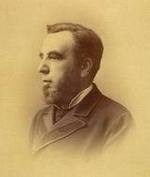
Dimitrios Vikelas
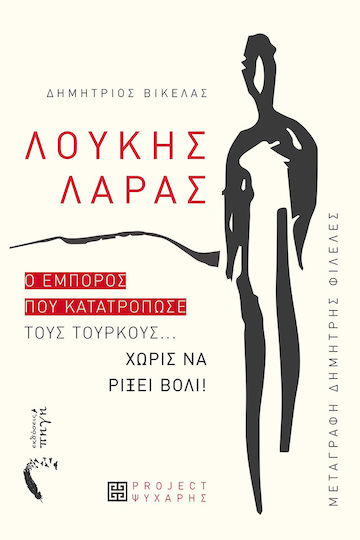
Dimitrios Vikelas (1835-1908). Dimitrios Vikelas wurde 1835 in Ermoupoli auf Syros geboren und stammte aus einer großen Handelsfamilie mit Wurzeln in Veria und dem ursprünglichen Namen Bekela oder Bikela. Sein Vater war der Kaufmann Emmanouil Vikelas und seine Mutter Smaragda, Tochter des Kaufmanns Georgios Melas und Schwester von Leontos Melas. Im Alter von vier Jahren lebte er ein Jahr lang mit seiner Familie in Nafplio, bevor sie ein Jahr später nach Konstantinopel zog. Die ersten Buchstaben lernte er von seiner gebildeten und wissbegierigen Mutter, doch seine Bildung war aufgrund der ständigen Umzüge der Familie nicht systematisch. In Konstantinopel verbrachte er neun Jahre bis 1849, als er mit seiner Mutter nach Syros zurückkehrte und das Gymnasium von Ch. Evangelidis besuchte. Sein Mitschüler Emmanouil Roïdis veröffentlichte mit ihm die handgeschriebene Schülerzeitschrift "Lykeio Melissa". Im Jahr 1851, im Alter von sechzehn Jahren, übersetzte er Racines Werk "Esther", das in einer Schulaufführung aufgeführt und in Ermoupoli veröffentlicht wurde. Diese Übersetzung widmete Vikelas seinem Schweizer Lehrer Weiss in Odessa. Im folgenden Jahr ging er nach London, wo er 24 Jahre seines Lebens verbrachte, sich dem Handel widmete, als Angestellter im Geschäft der Firma "Anepsioi Mavrou" arbeitete und als Partner im Haus der Brüder Melas tätig war. Gleichzeitig studierte er am University College, erwarb jedoch aufgrund begrenzter Zeit nur ein Diplom in Botanik. Er hörte jedoch nie auf, sich für Literatur zu interessieren, studierte Philologie und Geschichte und schrieb Gedichte und Übersetzungen (von Homer, Theokrit, Goethe, Alfieri usw.). In London setzte sich Vikelas auch für die Erhaltung des griechischen Charakters der Diaspora ein, indem er beispielsweise die Gründung der dortigen griechischen Schule förderte. 1855 besuchte er seine Familie in Konstantinopel und nahm zum ersten Mal an einem Poesiewettbewerb teil (dem Ralleio mit dem Gedicht "Erinnerungen an Prinkipo"). Es folgten Veröffentlichungen seiner Gedichte, mal in Katharevousa und mal in Dimotiki in "Pandora" und anderen literarischen Zeitschriften, während er 1862 in London die Gedichtsammlung "Stichoi" veröffentlichte. 1859 lernte er Alexandre Dumas während einer Dampferreise nach England kennen. In England heiratete er Kalliopi Gheralopoulou, die ebenfalls aus einer Familie von Großhändlern stammte. Mit ihr reiste er bis 1876 durch Europa, als aufgrund der europaweiten Wirtschaftskrise jener Zeit seine Zusammenarbeit mit der Firma der Brüder Melas aufgelöst wurde und das Paar versuchte, sich in Athen niederzulassen. Im folgenden Jahr jedoch zwang die Verschlechterung der bereits gestörten psychischen Gesundheit von Kalliopi sie, nach Paris zurückzukehren. Dort widmete sich Vikelas erneut der Übersetzung (seine Übersetzungen von Shakespeare-Werken wurden in Athen aufgeführt), hielt Vorträge und schrieb Artikel, während er auch das Werk "Loukis Laras" schrieb, das ihn in der neugriechischen Literatur etablierte. "Loukis Laras" wurde erstmals 1879 in "Estia" veröffentlicht und im selben Jahr als eigenständiges Werk herausgegeben, während es bald in viele slawische und europäische Sprachen übersetzt wurde. Bis 1897 reiste er ständig von Paris nach Athen und Konstantinopel und umgekehrt, während seine Frau im psychiatrischen Krankenhaus von Ivry eingesperrt war. Zu seinen Erzählungen aus dem Jahr 1886 gehören "Philippos Marthas", "Hässliche Schwester", "Erinnerung" und "Pappa-Narkissos". Im Jahr 1893 veröffentlichte er den Band "Vorträge und Erinnerungen" mit 23 seiner Essays aus der Zeit von 1860 bis 1893 und war ein führendes Mitglied des Komitees zur Organisation der Olympischen Spiele in Athen 1896. Ab 1897 ließ er sich in Athen nieder und widmete sich bis zum Ende seines Lebens hauptsächlich gemeinnützigen Projekten, wobei die Gründung des Vereins zur Verbreitung nützlicher Bücher in Zusammenarbeit mit Georgios Drosinis hervorzuheben ist. Im Rahmen des Vereins wurden über hundert Buchtitel zu verschiedenen Themen veröffentlicht, das Schulmuseum, die Schulbibliothek und die Sammlung von Lehrtafeln gegründet, und 1907 wurde die Zeitschrift "Meleti" herausgegeben. 1904 fand auf Initiative von Vikelas und des Kulturvereins Parnassos in Athen der erste Griechische Bildungskongress statt, an dem Pädagogen und Institutionen aus Griechenland und Europa teilnahmen. In der letzten Phase seines Lebens beschäftigte er sich mit dem Schreiben seiner Memoiren mit dem Titel "Mein Leben. Kindheitserinnerungen", die 1908, im Jahr seines Todes, veröffentlicht wurden. Er starb an Leberkrebs in Kifisia, nachdem er noch den Grundstein für die Sevstopouleio-Arbeiterschule gelegt hatte, das letzte in einer Reihe von gemeinnützigen Projekten, die unter seiner Leitung realisiert wurden. Vikelas besaß eine sehr umfangreiche Bibliothek, die er der Gemeinde Heraklion auf Kreta vermachte (heute die Vikelaia-Stadtbibliothek). Die literarische Produktion von Dimitrios Vikelas ist im Vergleich zum Umfang seines gesamten schriftlichen Werkes begrenzt. Seine poetische Produktion umfasst vierzig Gedichte in der Tradition der romantischen Dichtung der Ersten Athener Schule, für die er selbst keine besondere Wertschätzung zu hegen schien. Besonders interessant sind seine Versübersetzungen, vor allem die der Werke von Shakespeare. Sein bekanntestes literarisches Werk ist jedoch "Loukis Laras", ein historischer Roman, der auf dem Zeugnis einer realen Person basiert und das Leben eines griechischen Kaufmanns während der Griechischen Revolution von 1821 thematisiert, mit besonderem Schwerpunkt auf dem Vorfall der Zerstörung von Chios. Die Kritik positionierte es an der Schwelle zwischen der reifen Phase der romantischen Prosa der Ersten Athener Schule und den Anfängen der ethnographischen und realistischen Prosaproduktion der Generation von 1880, während sie gleichzeitig die Einflüsse des Autors von der zeitgenössischen europäischen Produktion hervorhob. Beispiele für die oben genannten Merkmale sind die Wahl eines Anti-Helden als zentrale Figur des Werkes und der sprachliche Ausdruck von Vikelas, der sich allmählich von der einfachen Katharevousa zu einer Sprache entwickelt, die der Umgangssprache der Zeit näherkommt (das Werk wurde ursprünglich in zehn Fortsetzungen in der Zeitschrift "Estia" veröffentlicht, und obwohl es vor der Veröffentlichung der ersten Fortsetzung abgeschlossen war, griff der Autor mit Korrekturen und Verbesserungen ein). Viele seiner Werke sind in den Zeitschriften "Chrysallis", "Pandora", "Klio" (Triest) und anderen in Griechenland und im Ausland veröffentlicht. Für weitere biografische Informationen über Dimitrios Vikelas siehe Ditsa Marianna, "Dimitrios Vikelas", Unsere ältere Prosa V · 1830-1880, S. 382-409. Athen, Sokolis, 1996, Sperantzas S.G. "Vikelas Dimitrios", Große Griechische Enzyklopädie Z. Athen, Pyrsos, 1929, Terdimou Maria, Chronologie von Dimitrios Vikelas. Heraklion, 1991, Fouriotis Angelos, "Vikelas Dimitrios", Große Enzyklopädie der Neugriechischen Literatur 3. Athen, Chari Patsi, o.J. und Chatzigeorgiou - Chasioti Viktoria, "Vikelas Dimitrios", Weltbiografisches Lexikon 2. Athen, Ekdotiki Athinon, 1984.
(Quelle: Archiv der griechischen Schriftsteller, E.KE.VI.).
 Griechische Belletristik-Bücher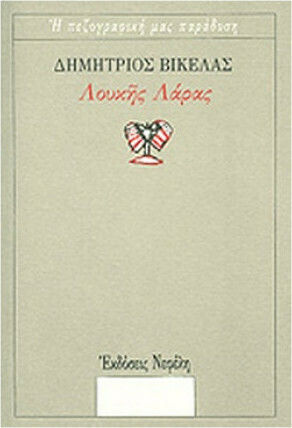
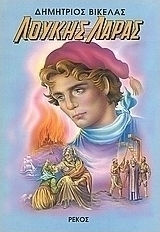
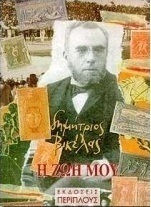

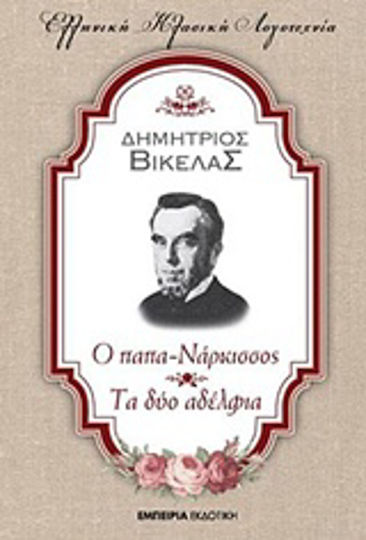 Griechische Belletristik-Bücher