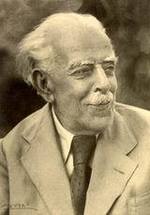
Γεώργιος Δροσίνης
Γεώργιος Δροσίνης (1859-1951). Ο Γεώργιος Δροσίνης καταγόταν από οικογένεια αγωνιστών του Μεσολογγίου και γεννήθηκε στην Αθήνα. Τις εγκύκλιες σπουδές του παρακολούθησε στη Βαρβάκειο Σχολή και το Λύκειο Σουρμελή. Σπούδασε Νομική και, με σύσταση του Νικολάου Πολίτη, Φιλοσοφία στο Πανεπιστήμιο Αθηνών και Ιστορία Καλών Τεχνών και ξένης φιλολογίας στη Γερμανία (Λειψία, Δρέσδη, Βερολίνο 1885-1888). Επέστρεψε στην Αθήνα και από το 1889 ως το 1897 υπήρξε διευθυντής του περιοδικού της Εστίας, που ο ίδιος μετέτρεψε σε εφημερίδα το 1894. Την ίδια περίοδο διηύθυνε επίσης τα περιοδικά Εθνική Αγωγή και Μελέτη (που ίδρυσε επίσης). Το 1899 μαζί με τον Δημήτριο Βικέλα ίδρυσαν το Σύλλογο προς διάδοσιν ωφελίμων βιβλίων, όπου εξέδωσε λογοτεχνικά έργα, λαογραφικές και άλλες μελέτες. Το 1901 ίδρυσε τις σχολικές βιβλιοθήκες και το 1908 το εκπαιδευτικό μουσείο. Συνέβαλε επίσης στην ανέγερση του Οίκου Τυφλών και της Σεβαστοπούλειας Επαγγελματικής Σχολής, του Α΄ Εκπαιδευτικού Συνεδρίου του 1907 και της Ελληνικής Λαογραφικής Εταιρίας (1908). Από το 1914 και ως το 1923 διετέλεσε τμηματάρχης του υπουργείου Παιδείας με ευρύ φάσμα δραστηριοτήτων, ενώ υπήρξε επίσης μέλος της Ακαδημίας Αθηνών από το έτος ίδρυσής της (1926). Από το 1922 διηύθυνε το Ημερολόγιο της Μεγάλης Ελλάδος, ενώ. Στο χώρο της λογοτεχνίας πρωτοεμφανίστηκε το 1879 με ποιήματά του στο περιοδικό Ραμπαγάς. Στην πρώτη φάση της λογοτεχνικής παραγωγής του ανήκουν οι συλλογές Ιστοί αράχνης (1880) και Σταλακτίται (1881), με τις οποίες εντάχτηκε στους νεωτεριστές ποιητές που απομακρύνθηκαν από το πομπώδες ύφος των αθηναίων ρομαντικών της Α΄ Αθηναϊκής Σχολής. Με τις συλλογές Ειδύλλια (1884) και Γαλήνη (1902) προσχώρησε στη γενιά του 1880, ενώ συνέχισε να δημοσιεύει ποιήματα ως το 1930 με τη συλλογή Βραδιάζει, καθώς επίσης διηγήματα και μυθιστορήματα. Πέθανε στην Κηφισιά το 1951. Ο Γεώργιος Δροσίνης εντάσσεται στους ποιητές της νέας Αθηναϊκής Σχολής, κυρίως λόγω της δημοτικής γλώσσας και της απλότητας της έκφρασης της ποίησής του, καθώς και των επιρροών που δέχτηκε από τους παρνασσιστές γάλλους ποιητές και την παρνασσική ποίηση του Παλαμά. Στην πεζογραφία του επηρεασμένος από τον Εμμανουήλ Ροΐδη, το Νικόλαο Πολίτη και τον ΄Άγγελο Βλάχο, αλλά και από τις σπουδές του στη Γερμανία (υπήρξε δια βίου θαυμαστής των Schiller, Wagner και Goethe), επέλεξε συχνά θέματα από τη ζωή στην ελληνική επαρχία προτάσσοντας μια ειδυλλιακή αντιμετώπισή της. Τοποθετείται έτσι στην πρώτη φάση της ηθογραφικής πεζογραφίας στην ιστορία της νεοελληνικής λογοτεχνίας. Για περισσότερα βιογραφικά στοιχεία του Γεώργιου Δροσίνη βλ. Αγγελάτος Δημήτρης, «Δροσίνης Γεώργιος», Παγκόσμιιο Βιογραφικό Λεξικό 3. Αθήνα, Εκδοτική Αθηνών, 1985, Κατσή - Χρυσογέλου ΄Αννα, «Γεώργιος Δροσίνης» , Η παλαιότερη πεζογραφία μας·Από τις αρχές της ως τον πρώτο παγκόσμιο πόλεμοΖ΄ (1880-1900). Αθήνα Σοκόλης, 1997, Μαυροειδή - Παπαδάκη Σοφία, «Δροσίνης Γεώργιος», Μεγάλη Εγκυκλοπαίδεια της Νεοελληνικής Λογοτεχνίας 6. Αθήνα, Χάρη Πάτση, χ.χ. και Μερακλής Μ.Γ., «Γεώργιος Δροσίνης», Η ελληνική ποίηση· Ρομαντικοί - Εποχή του Παλαμά - Μεταπαλαμικοί· Ανθολογία - Γραμματολογία, σ.304-307. Αθήνα, Σοκόλης, 1977.
(Πηγή: Αρχείο Ελλήνων Λογοτεχνών, Ε.ΚΕ.ΒΙ.)
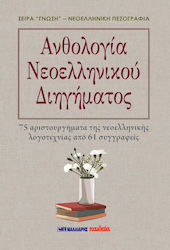
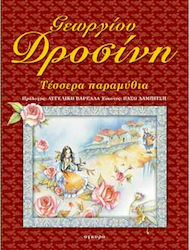

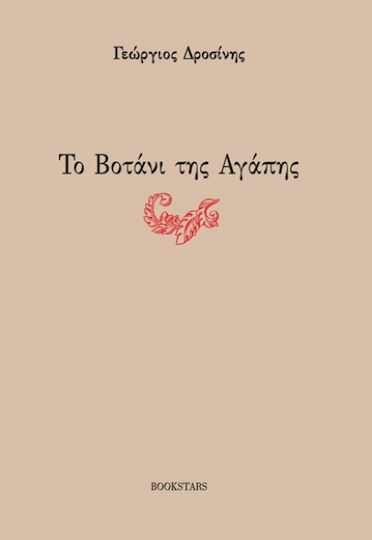
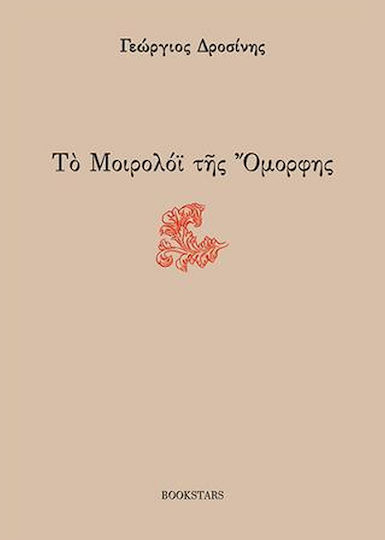
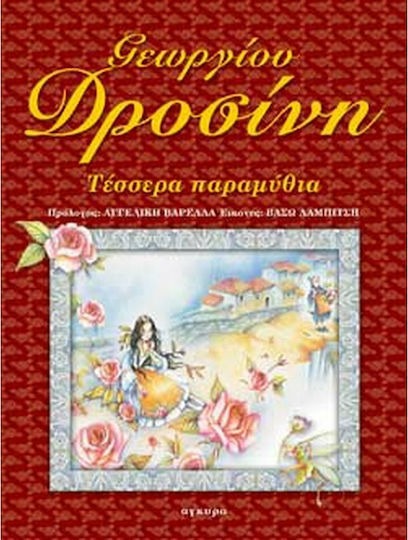 Παιδικά Παραμύθια
 Λογοτεχνικά Βιβλία στα Ελληνικά
 Λογοτεχνικά Βιβλία στα Ελληνικά