Michel Houellebecq
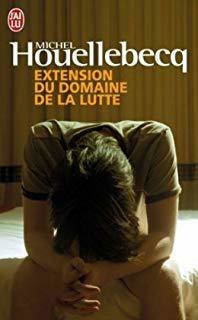
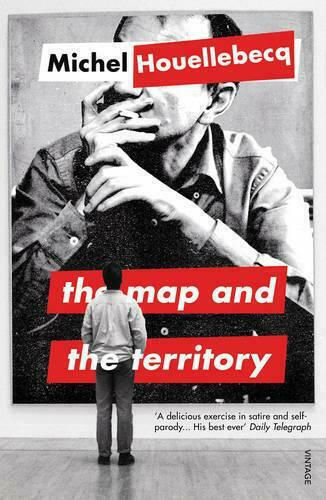
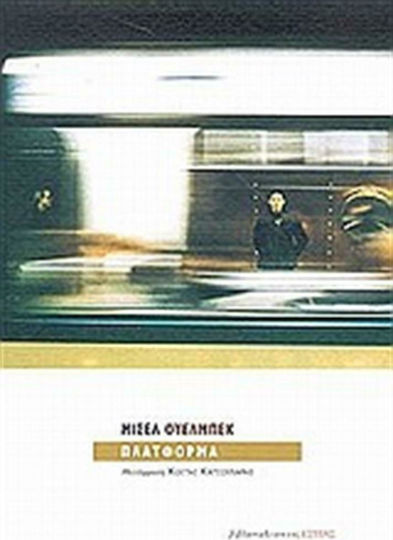
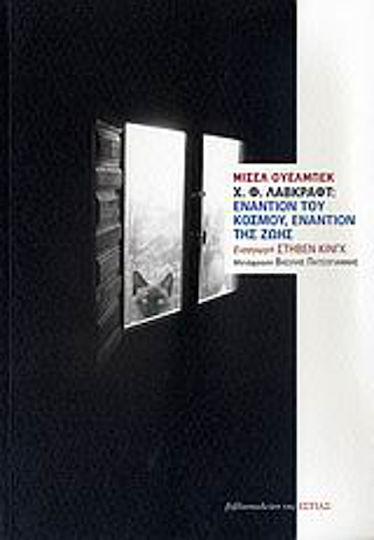
Ο Μισέλ Ουελμπέκ, ο πλέον εμβληματικός συγγραφέας του σύγχρονου δυτικού κόσμου, γεννήθηκε το 1958 στο νησί Ρεϋνιόν, άλλοτε γαλλική αποικία στον Ινδικό Ωκεανό. Μεγάλωσε στη Γαλλία, όπου τον ανέθρεψαν οι παππούδες από την πλευρά του πατέρα του. Ξεκινά σπουδές αγρονόμου-μηχανικού και αρχίζει να γράφει το 1978. Ποιητής και δοκιμιογράφος καταρχάς, ο Ουελμπέκ πρωτοδημοσιεύει ποιήματά του το 1985. Εμφανίζεται στο χώρο του μυθιστορήματος το 1994. Έκτοτε γίνεται παγκοσμίως γνωστός, τα βιβλία του τυπώνονται σε υψηλότατα τιράζ ανά τον κόσμο και αποσπά σημαντικά γαλλικά και διεθνή βραβεία. Το 1991 δημοσιεύει τη βιογραφία τού Χάουαρντ Λάβκραφτ, με υπότιτλο "Ενάντια στον κόσμο, ενάντια στη ζωή". Εμφανίζεται στο χώρου του μυθιστορήματος το 1994 με την "Επέκταση του πεδίου της πάλης" μυθιστόρημα που προκαλεί αίσθηση και μεταφέρεται στον κινηματογράφο. Το δεύτερο μυθιστόρημά του, "Τα στοιχειώδη σωματίδια", έχει μεταφραστεί σε περισσότερες από 25 γλώσσες και έγινε επίσης κινηματογραφική ταινία. Το βιβλίο αυτό αποσπά δύο γαλλικά βραβεία το 1998 και κάνει παγκοσμίως γνωστό τον συγγραφέα του. Επόμενο πεζογράφημα το "Λανθαρότε", μια νουβέλα που συνοδεύεται από λεύκωμα με φωτογραφίες που τράβηξε ο συγγραφέας, και ακολουθεί το μυθιστόρημα "Πλατφόρμα". Τον Ιούνιο του 1998 ο υπουργός Πολιτισμού της Γαλλίας του απονέμει το Εθνικό Αριστείο Γραμμάτων. Το 2002 ο Ουελμπέκ τιμάται επίσης με το International Impac Dublin Literary Award, σημαντικό λογοτεχνικό βραβείο της Ιρλανδίας. Πολυσχιδές ταλέντο, ο Μισέλ Ουελμπέκ ασχολείται επίσης με το σινεμά και τη μουσική. Αποσύρθηκε στην Ισπανία για να γράψει τη "Δυνατότητα ενός νησιού" (Βραβείο Interallite 2005), μετά τις δικαστικές περιπέτειες και τη θύελλα των αντιδράσεων που είχε προκαλέσει η, περίφημη έκτοτε, αναφορά του στο Ισλάμ (στην "Πλατφόρμα"). Το 2002 τιμάται επίσης με το International Impac Dublin Literary Award, σημαντικό λογοτεχνικό βραβείο της Ιρλανδίας, και το 2010 το πέμπτο του μυθιστόρημα, "Ο χάρτης και η επικράτεια", αποσπά τη σημαντικότερη γαλλική διάκριση για τη λογοτεχνία, το Βραβείο Γκονκούρ. Το 2019 τιμάται με την ανώτατη διάκριση της Γαλλικής Δημοκρατίας (Legion d’ Honneur).
Όλα τα βιβλία του κυκλοφορούν στα ελληνικά από τις εκδόσεις της Εστίας.
(Φωτογραφία: Pierre Ferbos/Reuters)

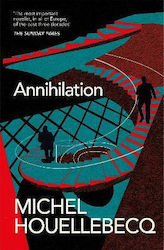
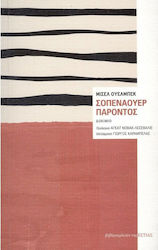
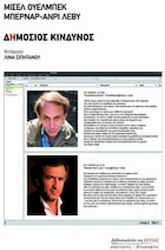

 Λογοτεχνικά Βιβλία στα Ελληνικά
 Λογοτεχνικά Βιβλία στα Ελληνικά
 Λογοτεχνικά Βιβλία στα Ελληνικά