

Ski Safely and in Style: The Ultimate Equipment Guide
A Detailed Look at the Equipment Every Skier Needs
The cool mountain air, the snow under your feet, the thrill of sliding down a slope – skiing is a winter adventure like no other! Before you set off for your first day of skiing, let's go over some basic steps that will help you better organize this activity in terms of equipment and clothing.

Skis & Boots
- So many options in ski skis, for all preferences and conditions! Basically, it depends on what you are looking for most, what suits you. In short, beginners and intermediate skiers prefer all mountain, which are more versatile in simpler conditions, while the more experienced and adventurous who can handle them choose freeride or even freestyle skis. Choosing ski skis is difficult because you have to take into account many parameters. Speaking only about downhill skiing on groomed slopes, the most basic parameter is your height. Placed vertically, the skis should reach from your chin to your forehead. Shorter skis are suitable for quick turns, while long skis are for high speeds in a straight line. Also, make sure to get the appropriate bindings.
- Ski boots must fit the foot perfectly so that they are neither too tight nor too loose. Boots that do not fit properly can cause discomfort, reduced control, and even injuries! Modern ski boots feature various characteristics designed to improve your experience on the mountain. Choosing the right ski boots is a crucial step in ensuring a comfortable and controlled descent on the slopes.
-
 Skis
Skis
-
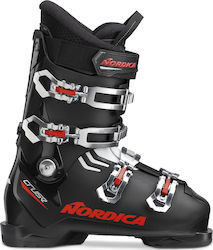 Ski Boots
-
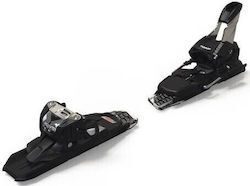 Ski Bindings

Essential Accessories: Poles, Gloves, Mask & Helmet
- Poles are necessary for skiing and are among the most affordable accessories. The ideal poles should be chosen based on your height. When placed vertically, they should reach the height of your palm when your arm is at a 90-degree angle.
- Yes, it is necessary! Here you should know that the sunglasses you wear every day do not protect you as well in the snow. For a reasonable amount, you can get a ski mask or a pair of mountaineering goggles that filter 100% of ultraviolet radiation and protect your eyes.
- It is very important that sports gloves fit comfortably on the hand and have the best possible fit. In this case, your hands will be warm and comfortable, and dexterity of movement will be maintained! Do not forget that if your gloves are tight, you will feel cold, so if you are not sure, it is better to choose one size larger.
- As far as safety is concerned, the helmet is an essential piece of equipment at the ski resort. The helmet not only provides protection from possible impacts during falls, collisions, or other accidents, but also from low temperatures and cold wind, keeping your head warm and comfortable.
-
 Ski Poles
-
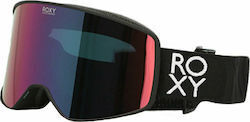 Ski & Snowboard Goggles
-
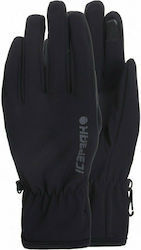 Ski & Snowboard Gloves
-
 Ski & Snowboard Helmets


What to Wear
- Baselayers: Base layers are usually made from merino wool for effective heat retention and sweat wicking. Synthetic materials are an alternative at an affordable cost. You will need two pairs of thermal underwear, one for skiing and one for after. For skiing, thermal underwear must be breathable so sweat can escape and you don’t freeze when your body cools down.
- Midlayer: The midlayer is responsible for insulating the body. A fleece is an excellent choice for cool and dry days at the ski resort. It provides warmth and lightweight comfort, keeping your body comfortable and warm. In addition, fleece is highly breathable, allowing the body to breathe while still being able to retain heat even when wet.
- Jacket: It is essential to choose a jacket that offers comfort, a good fit, and high levels of weather resistance. Water and wind resistance are crucial, especially during snowstorms. One thing to pay attention to, however, is weight, as a ski jacket should be relatively lightweight.
- Pants: A durable waterproof pair of pants is essential! For those skiing in consistently low temperatures, it is worth considering an insulated design, although we often prefer the versatility of a non-insulated hardshell for use throughout the season, combined with a light or midweight base layer depending on the conditions. And if you want something a little warmer, consider a ski bib: They offer better protection from snow, wind, and rain, while also providing extra protection above the waist.
- Socks: Ski socks offer not only warmth, but also protection for the heels, toes, and all areas that may be injured by contact with the boot. They should be made with breathable materials and sufficient cushioning, providing comfort and protection.
-
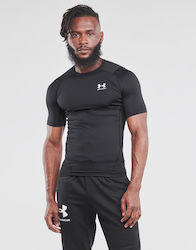 Thermals & Base Layers
-
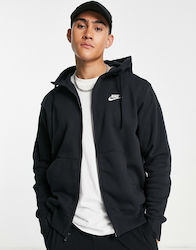 Men's Sweatshirts
-
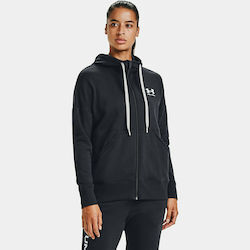 Women's Sweatshirts
-
 Ski & Snowboard Jackets
-
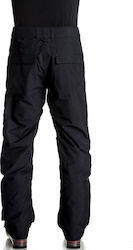 Ski & Snowboard Pants
-
 Ski & Snowboard Socks


Skroutz Tips!
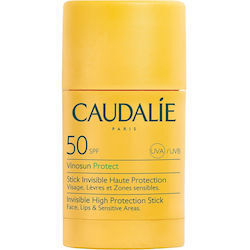
- Don't forget the sunscreen: Mountain gear definitely includes sunscreen. In the snow, the sun's rays reflect and cause painful burns just like in summer.
- Make sure your skis, boots, and equipment are suitable for your skill level and the conditions of the ski resort.
- If you are a beginner, invest in a day of training. An instructor can help practice basic movements and guide you on the correct technique.
- Stay informed about the weather conditions before you start, as these affect the conditions on the slopes.
- Drink plenty of water to stay hydrated, especially at high altitudes.
- Skiing is for fun, so enjoy the experience and the snowy landscape!
-
 Sunscreens
-
 Lip Sunscreens
-
 Water Bottles


Relevant Articles
Choosing the right snowboard for your snow adventures
Ways to Wear a Choker & Its Purpose
Buying Guide for Action Cameras

Be the first to leave a comment!