

How does the dehumidifier work
The dehumidifier is an electrical device designed to reduce and maintain the humidity level in the air, primarily for health or comfort reasons, or to eliminate musty odors and prevent mold growth by extracting water from the air. But how exactly does it achieve this?
Condensation and Evaporation
Inside most dehumidifiers lies the principle of condensation, similar to how water droplets form on a cold surface when they come into contact with humid air.
The Dehumidification Process Step by Step
Air Intake: The dehumidifier draws air from the environment using a fan.
Cooling: The incoming air then passes over cold coils. As the air cools, its ability to hold moisture decreases, leading to the condensation of water vapor into liquid water.
Water Collection: The condensed water is stored in a collection tank inside the dehumidifier. Dehumidifiers are equipped with a float sensor that indicates when the tank is full and needs to be emptied, although some models offer continuous drainage capability, allowing the water to be channeled out of the unit via a flexible hose.
Reheating: The now drier air passes over warm coils (the condenser coils) to be reheated to its original temperature before being released back into the room. This step ensures that the room temperature remains relatively stable despite the cooling and heating process within the dehumidifier.
Air Release: The now warm air circulates back into the room, reducing the overall humidity levels.
Two Main Types of Dehumidifiers
There are primarily two types of dehumidifiers - refrigerant and desiccant.
Refrigerant Dehumidifiers: These are the most common types and operate through condensation and evaporation as described above, using a refrigeration cycle to cool the air, condense the moisture, and collect it.
Desiccant Dehumidifiers: Instead of using a refrigeration cycle, these dehumidifiers use a desiccant material that absorbs moisture from the air. The air is drawn into the dehumidifier and passes through the desiccant rotor, where the moisture is absorbed. The desiccant is then regenerated using a heat source, releasing the moisture.
Check out the most popular dehumidifiers


Relevant Articles

Black Friday on Dehumidifiers (2026)
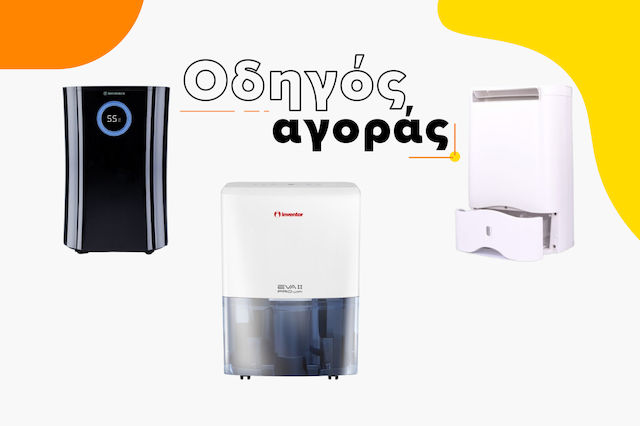
Dehumidifier Buying Guide

The best ionizer-humidifiers and air purifiers

Be the first to leave a comment!