

Слънчеви бойлери: Какво да внимавате (Ръководство за покупка)
Дошло е време да инсталирате слънчев бойлер или ако сте подходящи за програмата "Рециклирай - Смени бойлера" и не знаете какво да изберете. Не се притеснявайте, ще ви научим всичко, което трябва да знаете, за да изберете най-добрия за вас.
Ако си правоимащ за програмата „Рециклирам – сменям бойлер“, тогава научи всичко за субсидията за соларен бойлер и как да подадеш своята кандидатура.
Размер
Най-важният въпрос: Колко литра соларен бойлер ми трябват?
За да избереш подходящия бойлер за твоите нужди, разбира се, трябва да вземеш предвид колко души има в домакинството. Обикновено съотношението е около 40 литра на човек.
Източник на енергия
Както е логично, слънчевите бойлери имат като основен източник на енергия слънчевата, но всички разполагат и с допълнителни източници с оглед на функционалността. Те се разделят на 2 вида — слънчеви бойлери с двойна и с тройна енергия. Но как работи един такъв бойлер?
- Двойна енергия: Основната им характеристика е, че докато работят, като събират слънчева енергия за затопляне на водата, те разполагат и с вграден нагревател, така че в облачни дни да могат да работят по команда и с електричество, като класически бойлер.
- Тройна енергия: Имат всички предимства на слънчевите бойлери с двойна енергия, но имат и допълнителен вход, за да използват като отоплителен носител топлата вода от отоплителния кръг, произведена от централното отопление на дома (котел или термопомпа).
Части (Видове слънчев бойлер)
Един слънчев бойлер се състои от 2 основни части — колектор и бойлер. По този начин обикновено ги разграничаваме и като вид (тип).
Колектор
Колекторът е панелът, който се намира пред бойлера и в който се събира слънчевата енергия. Има два вида колектори — селективни и вакуумни.
- Селективни колектори: Това са колекторите, които сме свикнали да виждаме. Повърхността на колектора има покритие от мед или титанови оксиди и събира слънчевата енергия, за да работи системата и да затопля водата. Колекторите с титан са много по-ефективни, тъй като могат да абсорбират до 95% от слънчевото лъчение.
- Вакуумни колектори: Вакуумните колектори имат цилиндрични тръби, разположени вертикално върху повърхността на колектора. Работата им е доста проста — тръбите се пълнят с вода и слънцето затопля водата вътре в тях, която се пренася в бойлера, готова за употреба.
В България, поради високите температури през летните месеци, се предпочитат селективните, тъй като са много по-устойчиви на високи температури.
Съвет: При вакуумните колектори европейската технология U-pipe е много по-надеждна от китайската технология heat-pipe.

Бойлер
Бойлерът е съдът, в който водата се съхранява и загрява. Той се състои от вътрешен резервоар, който влиза в пряк контакт с водата, която консумираме, магнезиев анод, който събира накипа, нагревател и различни изолационни слоеве. Бойлерите се категоризират според материала, от който е изработен вътрешният резервоар.
- Glass: Това е много надежден избор и най-разпространеният на пазара. Има стъкловидно емайлиране, така че да няма проблеми с микроорганизми и микроби във водата за битова употреба. Този тип винаги трябва да има магнезиев анод и той да се сменя приблизително на всеки 2 години.
- Меден: Това е може би най-доброто качество, което можете да изберете, но е и доста по-скъпо. Това е материал, който не корозира и допринася за по-ефективното пренасяне на топлината. Срокът му на експлоатация е от 40 години до цял живот.
- Неръждаем-IΝΟΧ: Изработва се от неръждаема стомана, много е устойчив на корозия и също има анод.
-
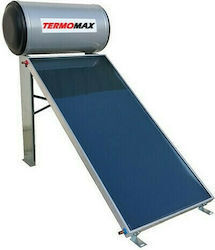 Стъкло
-
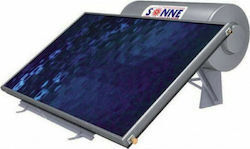 Бронз
Бронз
-
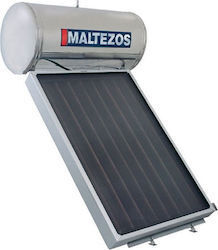 Инокс
Инокс
Кръг
Слънчевите бойлери се разделят на два вида в зависимост от кръга, който имат:
Отворен кръг: Слънчевите бойлери с отворен кръг използват самата вода, която консумираме, като отоплителен носител, преминавайки през слънчевия колектор. Поради начина на работа водата натрупва соли и не е годна за пиене. Поради тази причина този тип почти е изчезнал от пазара.
Затворен кръг: Тези системи загряват битовата вода индиректно. Отоплителният носител циркулира в отделен кръг, без да се смесва с водата, която консумираме.
Монтаж
Монтажът на слънчевия бойлер винаги се извършва от специалист, но в зависимост от мястото, където ще го монтираш, ще трябва да избереш различен бойлер. На покривна тераса предпочети да поставиш класическия слънчев бойлер с наклон 45° или 60°. Ако обаче имаш покрив с керемиди, ще ти е необходим хоризонтален колектор и специално закрепване, за да не се повредят керемидите и да не се появят течове.
В специални случаи, ако има ограничения в района, може да се наложи да вземеш бойлер compact или с нисък профил, за да бъде по-незабележим. Това е особено приложимо на островите и в райони, които трябва да спазват определени архитектурни изисквания.

Един важен въпрос, който е логично да имаш, е колко струва монтажът на слънчев бойлер. Обикновено монтажът на слънчевия бойлер струва около 200-250€, но може да има малка разлика в крайната цена в зависимост от етажа на жилището и колко метра тръбопроводи ще са необходими. Освен това, в случай че трябва да демонтираш стария си бойлер, цената обикновено е около 70€. Както монтажът, така и демонтажът се поддържат от skroutz в сътрудничество с опитни партньори и можеш да ги избереш в количката си по време на процеса на плащане. Повече информация можеш да намериш тук.
Поддръжка
Както всички уреди, така и слънчевият бойлер се нуждае от известна поддръжка. По-конкретно трябва да направиш
Проверка и подмяна на магнезиевия анод на всеки около 2 години.
Годишна проверка на нивото на течностите в системата и допълването им, ако се прецени за необходимо.
Проверка и ремонт на изолациите.
Проверка на възвратния клапан и предпазния клапан веднъж годишно.
Сега, когато знаеш всичко за слънчевите бойлери, можеш да избереш този, който най-добре отговаря на твоите нужди.
Ако имаш право на програмата “Рециклирам – сменям бойлер” и средният годишен доход на член от семейството, съгласно декларацията за данък върху доходите (Е1) за 2021 година, не надвишава 30.000€ можеш да кандидатстваш и да получиш ваучер за субсидия за стойността на бойлера, без ДДС, до 900€. Размерът на субсидията зависи от доходната категория, към която принадлежиш, и от размера на слънчевия бойлер, който ще избереш.
Свързани статии
Най-добрите радиаторни тела
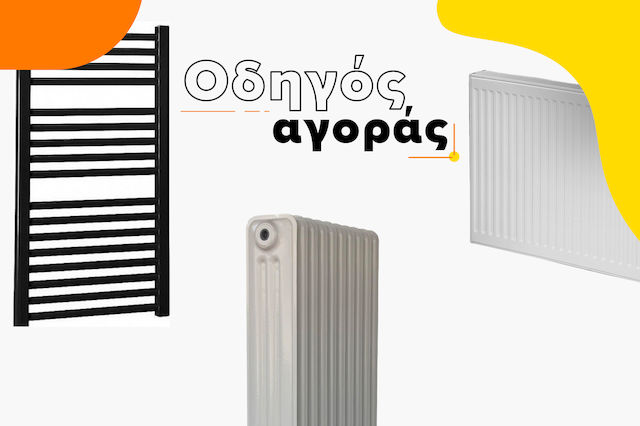
Ръководство за покупка на радиаторни тела
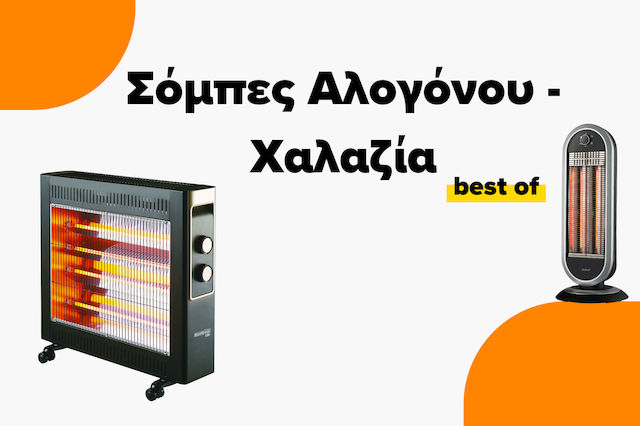
Коя е най-добрата халоген-каварцова печка?
бъдете първият, който остави коментар