

Домашни уреди: съвети за ефективна употреба!
Полезни съвети преди и след покупка за максимална производителност и удобство.
Използването на електрически домакински уреди може често да бъде скъпо както по отношение на енергия, така и на пари. Въпреки това, с прости стъпки можете да намалите загубата на енергия, да понижите сметките си за електричество и да удължите живота на вашите домакински уреди! Нека разгледаме съвети за всеки уред.
Охлаждане & замразяване
Уредите за охлаждане, като хладилника, фризера или винен шкаф, са уреди, които консумират голям процент енергия в едно домакинство. С прости начини можеш да създадеш подходящите условия, така че да подобриш ефективността на тези уреди и да сведеш до минимум разхищението.

- Настрой на правилната температура: Добра температура за охлаждане е 3–4°C, а за замразяване -18°C са идеални. По-ниски температури и в двата случая консумират много повече енергия, без да добавят нещо допълнително към продуктите. Напротив, те могат да се окажат разрушителни за чувствителни храни, като зеленчуците.
- Постави хладилника на хладно и сенчесто място: Добре е хладилникът да бъде поставен стратегически, далеч от други уреди, които излъчват топлина, като печката или микровълновата фурна. Добре е да се избягва и пряката слънчева светлина, за по-дълъг живот на уреда.
- Погрижи се да е пълен, но не претоварен: Със сигурност претовареният хладилник се нуждае от повече енергия, за да съхранява храната. Колкото и странно да ти звучи обаче, един празен хладилник за дълги периоди от време може да доведе до повреди и проблеми, които ще наложат скоро да се купи нов. За безпроблемна работа, дръж хладилника си пълен, но не прекалено!
- Прави размразяване често: В случай че хладилникът ти е стар и се нуждае от размразяване, не пропускай да го правиш поне при всяка смяна на сезона или ако ледът надхвърли 6mm. Ако сме те изпреварили и четеш тази статия преди покупката на нов хладилник, тогава първият съвет, който ще ти дадем, е да потърсиш хладилници с технология No Frost, с която няма да се налага да размразяваш никога повече!
Най-добрите избори в хладилници без замръзване:





- Затворете вратата: Една от най-честите грешки, които всички правим, е да стоим пред хладилника с отворена врата и да гледаме вътрешността му "с часове." Той няма да ви говори или да отговори на въпроса "какво ще ядем днес." Затова, преди да отворите хладилника или фризера, е добре да сте помислили какво ви трябва, да го вземете и да затворите вратата добре, за да загубите възможно най-малко охлаждане.
- Използвайте умните функции: Ако това е устройство с умни възможности и функции, тогава трябва да ги използвате. Можете да създадете списък за пазаруване за супермаркета, да контролирате продуктите вътре в устройството или да регулирате температурата дистанционно, всичко това и много повече без да се налага да отваряте вратата на устройството.
Най-добрите хладилници с Wi-Fi:


Пране и сушене на дрехи
В списъка с уреди с висока консумация, разбира се, попадат и пералнята, сушилнята и пералнята-сушилня. Това не са уреди с постоянна консумация на енергия, но неправилната им употреба може да доведе до загуба на енергия. Нека видим няколко съвета за ефективна употреба.

- Перете/сушете необходимото количество: Опитайте се да не претоварвате уредите, но също така избягвайте да ги пускате само с няколко дрехи, тъй като това разхищава енергия и ви струва пари. Ако все пак трябва да изперете или изсушите малко количество дрехи, настройте нивото на водата съответно, както и времето за пране.
- Перете със студена вода или на ниска температура, когато е възможно: Прането на ниски температури или още по-добре със студена вода консумира значително по-малко енергия в сравнение с прането на високи температури.
- Настройте на високи обороти за тъкани, които го позволяват: Дрехи като кърпи могат да се перат на високи обороти, така че да изискват възможно най-малко сушене.
Най-добрите избори за перални машини с високи обороти:


- Почиствай често: Както пералнята, така и сушилнята са уреди, които се нуждаят от честа поддръжка и почистване. Почиствай филтъра на пералнята и пускай едно празно пране с специален препарат за почистване на пералня или с оцет и сода бикарбонат, веднъж месечно. За сушилнята е достатъчно да почиствате филтъра, който събира мъхчетата, преди всяко сушене.
Най-добри избори в сушилни с автоматично почистване на кондензатора:


- Проветрете дрехите: В дните, когато имате възможност да окачите и проветрите дрехите, предпочитайте това пред поставянето им в сушилнята.
Миене на съдове
Миенето на съдовете е двусмислен въпрос. Мнозина твърдят, че миенето на ръка е загуба на време, вода и пари, докато миенето с съдомиялна машина води до значителна консумация на енергия. Как можеш да намалиш тази консумация и да направиш миенето на съдовете по-ефективно?

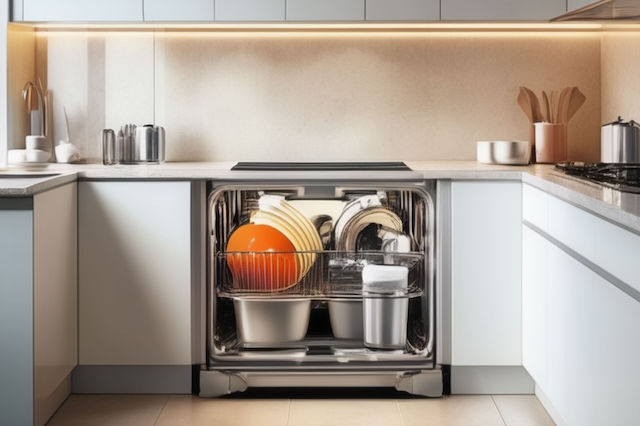
- Мийте с пълна съдомиялна машина: Опитайте се да напълните съдомиялната машина преди всяко миене за оптимално потребление на енергия. Ако имате по-нов модел съдомиялна машина, потърсете програмата за половин зареждане - което означава наполовина пълна. Това е програма, която може да измие половината количество съдове, които съдомиялната машина може да побере, като регулира времето, количеството вода и потреблението на енергия.
- Оставете съдовете да изсъхнат естествено: Избягвайте високи температури и програми с интензивен цикъл на сушене. Ако вашето устройство е умно, тогава просто трябва да зададете времето, в което искате миенето да приключи, за да можете да отворите вратата и да оставите съдовете да изсъхнат сами.
Най-добри избори за Wi-Fi съдомиялни машини:


- Не е нужно да изплакваш чиниите: Колкото и труден да е този „лош навик“, съвременните съдомиялни машини вече ти позволяват да поставяш чиниите полузамърсени, без да се налага да ги търкаш или накисваш предварително. Просто ги изплакни леко с вода и ги постави директно в съдомиялната.
- Почиствай често: Както всички уреди, тя се нуждае от добра чистота и поддръжка, тъй като остатъците от храна често могат да се задържат в труднодостъпни места. Използвай веднъж месечно специални почистващи препарати за поддръжка на съдомиялната машина и ще осигуриш по-дълъг живот на уреда си.
Кухня и готвене
Готвенето е още един процес, който може да доведе до загуба на енергия в един дом. С правилната употреба на уреди като фурната, котлоните или абсорбатора, можеш да намалиш потреблението, да подобриш сметките за ток и да готвиш по-бързо и по-ефективно.

- Избери правилния размер на съдовете за твоите котлони: Използвай всеки съд според неговия размер на съответния котлон. За оптимално потребление на енергия не използвай по-малки съдове на по-големи зони. Ако имаш или обмисляш да купиш индукционни котлони, тогава си решил този проблем, тъй като този тип котлони осигурява топлина само върху повърхността, която покрива всеки съд.
Най-добрите избори в индукционни котлони:


- Загрявайте фурната само когато е необходимо: Няма нужда да загрявате фурната с часове и за всички видове храна. Опитайте се да го правите само когато е наистина необходимо. Ако искате да затоплите някаква храна, уверете се, че сте я извадили от хладилника и сте я оставили да достигне стайна температура. По този начин тя ще се затопли по-бързо и ще консумирате много по-малко енергия.
- Не отваряйте и затваряйте често вратата на фурната: Повечето фурни днес ви позволяват да наблюдавате процеса на готвене, тъй като имат стъклена врата. Следователно, няма нужда да я отваряте постоянно.
- Изключвайте котлоните малко по-рано: За оптимално потребление на енергия, опитайте се да изключите котлоните 2-3 минути преди храната ви да е напълно готова. След това оставете тенджерата с храната на котлона да къкри с остатъчната топлина, без да губите енергия.
- Изберете подходящата мощност на абсорбатора за вашето пространство: Ако търсите абсорбатор, опитайте се да намерите подходящия за размера на вашето пространство. Колкото по-голямо е вашето пространство, толкова по-голяма мощност на абсорбация трябва да има вашият абсорбатор.
-
 Кухненски абсорбатори с ниска всмукателна мощност
-
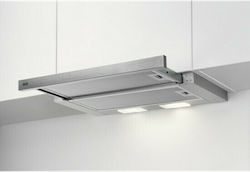 Капаци с умерена всмукателна мощност
-
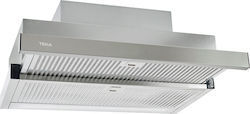 Изсмукващи устройства с висока мощност

- Настройте абсорбатора на ниска скорост: Опитайте се да избягвате използването на абсорбатора на висока или интензивна скорост за дълго време, тъй като ще се изразходва много енергия. Предпочитайте по-нежна скорост и изберете да отворите прозорец, за да проветрите адекватно пространството.
Общи съвети
- Ако ще купувате ново устройство, предпочитайте такова с най-високата възможна енергийна класа. Тези устройства могат по-добре да управляват енергията сами и имат функции и възможности, които могат да оптимизират всяка задача.
- Изберете да използвате домакинските си уреди в извънпиковите часове. Много енергийни доставчици предлагат тази опция, като предлагат конкретни часове късно през нощта или рано сутринта.
- Поддържайте устройствата си според инструкциите на производителя. По този начин осигурявате тяхната ефективност и удължавате техния живот.
Свързани статии
Най-добрите кухни и фурни на пазара
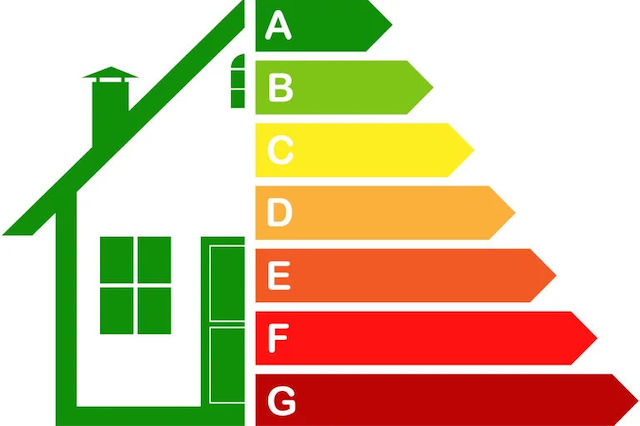
Енергийен етикет на перални машини: Как да го разчетете правилно!
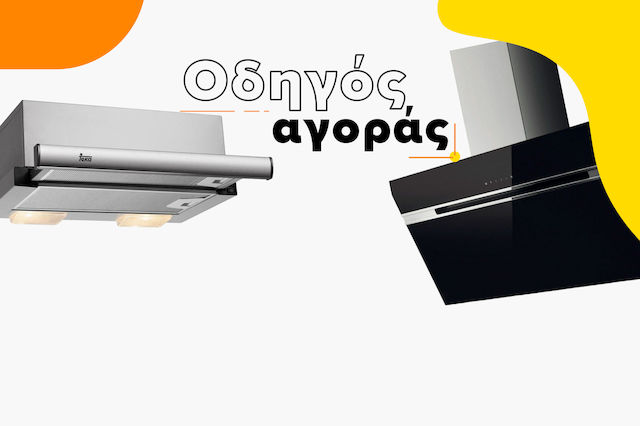
Ръководство за покупка на кухненски аспиратори
бъдете първият, който остави коментар