

6+1 Tips for Garden Care & Maintenance
Learn how to care for and maintain your garden with 7 simple tips!
How to take care of your garden or balcony? Let's look at simple and easy tips that will help you both on a daily basis and in the long term, so you can have the most beautiful and well-maintained garden.

Tips & Advice:
1. Water just enough... not too much!
Watering is very important for the health of your garden. You definitely shouldn't skip it when needed, but even more so, you shouldn't overdo it! Every plant, tree, or vegetable needs a different watering routine, both in quantity and frequency. Make sure to set up a schedule so you know which ones need daily, weekly, or less/more frequent watering.
It's easy, as long as you know everything you have in your garden and their habits, so you can adjust your schedule. For example, some plants need minimal watering (once every 10 days), such as succulents and cacti, others need regular watering (twice a week), like yucca and ficus, while some require more frequent watering (every day or every other day), such as ferns, papyrus, and other water-loving plants.
SkroutzTip: For easy management and to remember your plants' watering conditions, you can group them based on their needs for water, humidity, and light. This way, their care and maintenance will be much easier!
What is the best way to water your garden?
- If you are often away from home, or just want peace of mind, you can use automatic watering.
- If you have a small garden or some plants on your balcony and prefer the traditional way, a hose and a watering can will be your allies.
- If we're talking about a larger garden with greater water needs, then you should consider installing a water pump. It's ideal for drawing large amounts of water from nearby sources, such as a tank.
2. Use the right fertilizer
Just as they need water, they also need food. And what better than a good fertilizer? Give each plant the fertilizer it needs, organic or synthetic.
- Use fertilizer with nitrogen for leaf growth - ideal for leafy plants, such as lettuce and cabbages.
- Use fertilizer with phosphorus to strengthen the roots - ideal for tomatoes, eggplants, etc.
- Use fertilizer with potassium for the overall health of plants - suitable for fruit trees and shrubs.
- You can also use organic fertilizer, such as compost or manure, which improves soil structure and provides nutrients to plants.
SkroutzTip: Here too you will need to moderate the amount and avoid over-fertilization, which can harm the plant, or even "kill" it.

3. Prune Frequently
Another process that is good to make a habit of is pruning. Prune regularly and remove sick or dead leaves, thus increasing air flow and contributing to the continuous growth of your plants. It is a very important stage, which for larger trees and plants is best done once a year, and for smaller intervals, it is enough to remove the parts of the tree/plant that are no longer viable. There are 5 basic types of pruning:
- Shaping Pruning - give shape and symmetry to ornamental plants and shrubs.
- Rejuvenation Pruning - remove sick or dead leaves from plants that have lost their vitality.
- Fruit Pruning - remove parts of the plant to allow better lighting and ventilation and to induce fruiting. Suitable practice for fruit trees such as olives, vineyards, or apple trees.
- Removal Pruning - remove shoots/leaves that hinder the plant's growth.
- Topping - cut the tip of the plant's main growth to help produce new ones. Suitable for tomatoes and eggplants.
Below you can see an indicative table for when is the appropriate pruning season and for what reason, depending on the type of plant:
You will need:
-
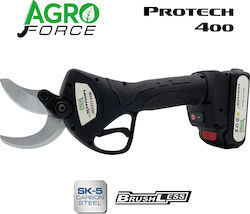 Scissors
-
 Top Scissors
-
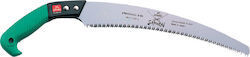 Saws
Saws
-
 Long Scissors
-
 Hedge Clippers & Shears


4. Take care of the soil & the lawn
Whether it is plants in pots, in the ground, or even the lawn, you need to make sure it can breathe and be renewed.
- With the help of tools such as a fork or a hoe, you can mix the soil at regular intervals, allowing oxygen to reach the plants' roots.
- As for large garden areas with lawn, for example, you will need to mow it often with a lawn mower, so that it reaches about 5-7 cm.
SkroutzTip: Do not cut the lawn too short, as this will allow the roots to come into direct contact with the sun, which can lead to dehydration.
You will need:
5. Keep your garden clean
Cleanliness, as is well known, is half the battle! All the more so when we’re talking about your garden. It’s a good idea to wash and clean it regularly.
- Start the traditional way, using a broom and a dustpan to remove trash and leaves that may have gathered.
- Also, you can use a leaf blower or vacuum to remove fallen leaves and clean your garden effectively.
- Finally, if you have a larger garden and are more actively involved, a pressure washer will help you remove all stubborn dirt.

6. Change of season? Change of routine!
Don’t forget, of course, that just as you change your habits depending on the season, your plants do too. Each season requires you to adjust your care routine and observe their needs.
- For example, in summer, when temperatures are high, plants need more frequent watering. Especially if you need to go on vacation for several days, make sure to provide an environment with enough humidity.
You can find related tips to help keep your plants alive and healthy while you are away on vacation.
- Similarly, in winter reduce watering, since humidity levels are high.
7. Frequent Monitoring
Frequent monitoring is everything for the maintenance and prosperity of a garden! Certainly, doing things for your garden is very important for its health and beautiful appearance, but by observing and recording the changes that occur, you can predict and prevent potential disastrous consequences.
SkroutzTip: You can keep your own garden journal to assess the condition of your garden whenever needed.
You can start by recording important information, such as the types of plants you have in your garden, the date you planted each one, information about watering and fertilizing, as well as tasks you do for the grooming and health of the plants, e.g., pruning.
The recording can be done on a weekly or monthly basis, depending on the sensitivity of each plant and its growth rate. Add photos to have a visual reference and comparison measure for the future when you refer back to your notes, so you can draw conclusions about what went well and what didn't and take the necessary actions accordingly.
What to record in your journal based on the season:
With a well-organized calendar, you will be able to track the progress of your garden and learn its needs!
Take care of and maintain your garden properly and enjoy it all year round!
Relevant Articles
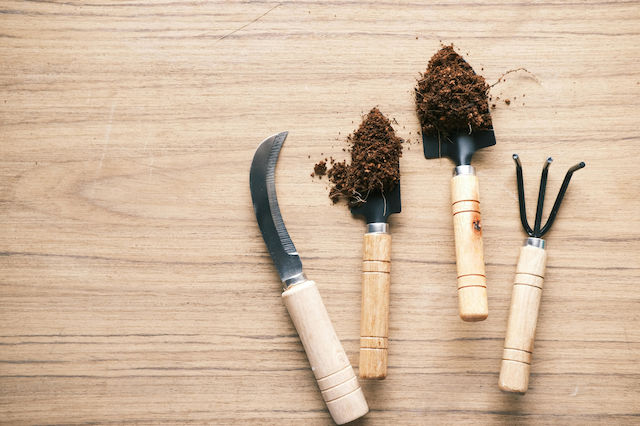
Essential Hand Tools for the Garden

The Best Lawn Mowers/Brush Cutters on the Market
Tips to Keep Your Plants Alive and Healthy While You’re on Vacation
Be the first to leave a comment!