

4+1 greșeli pe care le faci cu gazonul
Cum să le eviți și sfaturi pentru a-ți menține gazonul verde și „viu.”
Ai o grădină cu gazon?
Poate ai făcut vreuna dintre următoarele greșeli?
Hai să vedem ce poți face pentru a le evita data viitoare!
1. Îl tunzi în mod greșit
Una dintre cele mai frecvente greșeli pe care le fac cei care au gazon în grădină este să-l tundă prea scurt, astfel încât soarele ajunge să „vadă” direct rădăcinile. Acest lucru slăbește iarba și provoacă deshidratarea ei, făcând-o mai predispusă la buruieni și boli.
Ce trebuie să faci?
- Tunde gazonul astfel încât, după tundere, să aibă o înălțime de 5-7 centimetri.
- Tunde-l regulat, mai ales în perioadele în care crește mai repede (adică primăvara și vara). O dată pe săptămână este ideal.
- Ține minte, ca regulă generală, că dacă urmezi pașii de mai sus, va trebui să tai aproximativ 1/3 din înălțimea lui de fiecare dată.
- Tunde gazonul și apoi udă-l. Când este ud, mașina de tuns gazonul se poate bloca. Așadar, evită să uzi exact înainte de tundere, dar fă-o imediat după.
- Încearcă de fiecare dată să tunzi gazonul în direcții diferite. Astfel, vei evita să capete în ansamblu o anumită înclinație și va părea mai deasă și mai „vibrantă”.
SkroutzTip: Vara, când temperatura este ridicată și soarele „arde”, poți lăsa gazonul puțin mai înalt (7-9 centimetri), astfel încât să fie protejat de căldură și secetă.
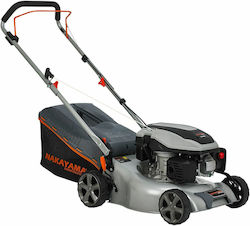
Descoperiți cele mai bune alegeri în mașini de tuns iarba:




2. Îl uzi cu o frecvență greșită
Ca și în cazul celorlalte plante, udarea excesivă sau insuficientă poate duce la o dezvoltare slabă - apariția și creșterea buruienilor sau, respectiv, secetă. Încearcă, așadar, să menții un echilibru în rutina de udare a gazonului. Ca regulă generală, este mult mai bine să uzi gazonul mai rar, dar în profunzime, decât mai des și superficial. Ce înseamnă practic acest lucru? O udare este considerată suficientă atunci când ajunge la aproximativ 15-20 de centimetri sub sol. În acest fel, gazonul devine mai rezistent.
Să ții minte:
- Cea mai bună oră pentru a uda gazonul este dimineața devreme (6-9 a.m.), astfel încât să aibă timp să absoarbă apa, fără să rămână prea mult timp și să favorizeze dezvoltarea mucegaiului (după-amiaza/seara), dar nici să se evapore direct (la prânz).
- Dacă uzi timp de aproximativ 20-30 de minute de fiecare dată, vei ajunge la nivelurile dorite de apă, de care gazonul tău are nevoie la fiecare udare.
- În funcție de sezon și de temperatura existentă, trebuie să adaptezi frecvența udării. Vara, când temperaturile sunt ridicate, udă mai des (de exemplu, din două în două zile), iar iarna, când plouă mult, ține cont că gazonul tău primește din ploaie o cantitate suficientă de apă.
SkroutzTip: Folosește udarea automată pentru a te asigura că gazonul este udat uniform. Astfel vei putea controla timpul de udare și cantitatea de apă.

3. Nu îl aerisești corect
Aerisirea este o parte importantă a îngrijirii gazonului și nu ar trebui să o omiți. Un astfel de lucru va duce la compactarea solului și la o absorbție redusă a apei și a nutrienților. Este un proces pe care nu trebuie să îl faci foarte des. De obicei, de 1-2 ori pe an, în funcție de sol, este suficient.
Cum aerisești, însă, gazonul?
Pașii sunt simpli.
- Udă înainte de aerisire. Dacă solul este foarte uscat, ideal ar fi să uzi cu o zi înainte de aerisire; altfel, vrem ca solul să fie doar umed, dar în niciun caz noroios.
- Fă mici găuri în sol cu ajutorul unui aerator de gazon, pentru a facilita pătrunderea aerului și, implicit, a apei și a substanțelor nutritive de care gazonul are nevoie.
- Treci la fertilizarea solului și, dacă este nevoie, seamănă semințe noi. Perioada de după aerisire este ideală pentru absorbția elementelor nutritive și pentru dezvoltarea unui gazon nou.
- Udă după aerisire. Udă din nou după aerisire, pentru a ajuta solul să absoarbă umiditatea de care are nevoie.
SkroutzTip: Perioada ideală pentru a realiza aerisirea gazonului este atunci când începe creșterea acestuia (primăvara sau toamna), când este mai activ și poate suporta schimbarea. În perioadele cu temperaturi extreme (vara, iarna), este mai probabil să „facă șoc” din cauza schimbării bruște.

4. Nu fertilizezi corect
Încă o greșeală frecventă este fertilizarea gazonului. Folosirea unui îngrășământ de calitate slabă și aplicarea excesivă sau incorectă pot usca până la a arde gazonul. Deși folosești îngrășământul ca hrană pentru gazonul tău, pentru a-i oferi toți acei nutrienți de care are nevoie, poți ajunge la rezultate contrare.
Cum să eviți utilizarea incorectă a îngrășământului?
- Calculează cantitatea de îngrășământ de care vei avea nevoie, în funcție de suprafața gazonului. Orientativ, pentru o suprafață de 100m² vei avea nevoie de aproximativ 4-5kg de îngrășământ.
- Folosește îngrășământ natural, precum gunoi de grajd sau compost, care este alcătuit din materiale organice. Este un îngrășământ mai prietenos cu mediul și solul, îmbunătățind în mod natural structura acestuia, dar acționează pe termen mai lung.
- Alege tipul potrivit de îngrășământ în funcție de sezon. De exemplu, la fertilizarea de primăvară, preferă un îngrășământ cu mai mult azot, care ajută la dezvoltarea gazonului, îi oferă o culoare verde mai intensă și îl face să pară mai des. Vara, preferă un îngrășământ mai blând, bogat în potasiu, care ajută la rezistență și la combaterea secetei. Iar toamna este bine să faci ultima fertilizare a anului, folosind un îngrășământ cu fosfor, pentru a stimula dezvoltarea rădăcinilor, înainte de iarnă, când gazonul nu mai are nevoie de îngrășământ, deoarece încetează să se dezvolte.
- Udă după fertilizare. Este foarte important să uzi gazonul imediat după aplicarea îngrășământului, pentru a-l ajuta să absoarbă toți nutrienții, dar și pentru a preveni o eventuală ardere, care poate fi provocată în special de utilizarea îngrășămintelor chimice.

5. Folosești echipamente nepotrivite
Îngrijirea gazonului „merge mână în mână” cu curățarea și întreținerea echipamentului pe care îl folosești. Utilizarea echipamentului nepotrivit poate afecta negativ atât sănătatea, cât și aspectul gazonului și chiar poate provoca daune care vor fi greu de reparat sau vor dura mult mai mult.
Ce poți face?
- Alege tipul potrivit de mașină de tuns iarba. Evită să alegi o mașină foarte grea care poate compacta solul și împiedica creșterea gazonului. Pe de altă parte, asigură-te că mașina ta are suficientă putere pentru dimensiunea gazonului, deoarece o putere prea mică va duce la o tundere neuniformă și poate deteriora gazonul.
- Asigură-te că lamele mașinii de tuns iarba sunt bine ascuțite. În caz contrar, tăierea nu va fi realizată corespunzător, iar gazonul va fi smuls și va dezvolta răni, ceea ce poate duce la boli și/sau secetă. Prin urmare, ascuți lamele la fiecare schimbare de sezon pentru a asigura cele mai bune rezultate posibile.
- Ajustează mașina de tuns iarba astfel încât să tai gazonul la înălțimea corectă. Fii atent când achiziționezi să alegi o mașină care taie la înălțimea minimă și maximă dorită.
- Întreține frecvent echipamentul. Curăță uneltele după fiecare utilizare, depozitează-le într-un loc cu condiții adecvate (nu prea cald/praf) și înlocuiește piesele uzate ale echipamentului.
Evitați aceste greșeli comune și urmăriți cum gazonul dumneavoastră revine la viață!
Articole relevante
Sfaturi pentru a deveni un grădinar de succes
6+1 sfaturi pentru îngrijirea și întreținerea grădinii

Cele mai bune mașini de tuns iarba/trimmere de pe piață
fii primul care lasă un comentariu