

4+1 Fehler, die du mit dem Rasen machst
Wie Sie sie vermeiden und Tipps, um Ihren Rasen grün und "lebendig" zu halten
Haben Sie einen Garten mit Rasen?
Haben Sie vielleicht einen der folgenden Fehler gemacht?
Sehen wir uns an, was Sie tun können, um sie beim nächsten Mal zu vermeiden!
1. Du schneidest es falsch
Eines der häufigsten Fehler, den diejenigen machen, die einen Rasen in ihrem Garten haben, ist, ihn viel zu niedrig zu schneiden, wodurch die Sonne direkt auf die Wurzeln scheint. Dies schwächt den Rasen und verursacht Austrocknung, was ihn anfälliger für Unkraut und Krankheiten macht.
Was solltest du tun;
- Schneide den Rasen so, dass er nach dem Mähen eine Höhe von 5-7 Zentimetern hat.
- Schneide regelmäßig, besonders in den Perioden, in denen er schneller wächst (also Frühling und Sommer). Einmal pro Woche ist ideal.
- Denke daran, als allgemeine Regel, dass du, wenn du die oben genannten Schritte befolgst, etwa ein Drittel der Höhe jedes Mal abschneiden solltest.
- Schneide den Rasen und gieße ihn anschließend. Wenn er nass ist, kann die Rasenmäher kleben bleiben. Vermeide also, direkt vor dem Mähen zu gießen, sondern direkt danach.
- Versuche jedes Mal in eine andere Richtung zu mähen. So vermeidest du, dass sich eine bestimmte Neigung bildet, und der Rasen wirkt voller und "lebendiger".
SkroutzTip: Im Sommer, wenn die Temperaturen hoch sind und die Sonne "brennt", kannst du den Rasen etwas höher lassen (7-9 Zentimeter), um ihn vor Hitze und Trockenheit zu schützen.
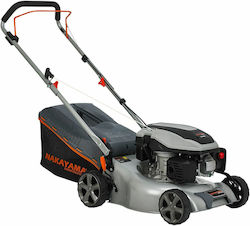
Entdecken Sie die besten Rasenmäher:




2. Du gießt mit falscher Häufigkeit
Wie bei allen anderen Pflanzen kann übermäßiges oder unzureichendes Gießen - je nach Fall - zu schlechtem Wachstum führen – Unkrautbildung und -entwicklung oder Trockenheit. Versuche also, ein Gleichgewicht in deiner Rasenbewässerungsroutine zu halten. Grundsätzlich ist es viel besser, den Rasen seltener, aber tiefgründiger zu bewässern, als häufiger und oberflächlich. Was bedeutet das praktisch? Eine Bewässerung gilt als ausreichend, wenn sie ungefähr 15-20 Zentimeter unter die Erde reicht. Auf diese Weise wird der Rasen widerstandsfähiger.
Denke daran:
- Die beste Zeit, um den Rasen zu bewässern, ist früh am Morgen (6-9 Uhr), damit er Zeit hat, das Wasser aufzunehmen, ohne zu lange zu bleiben und das Wachstum von Pilzen zu fördern (Nachmittag/Abend), aber auch nicht sofort zu verdampfen (Mittag).
- Wenn du etwa 20-30 Minuten pro Bewässerung gießt, erreichst du die gewünschten Wasserspiegel, die dein Rasen bei jeder Bewässerung benötigt.
- Je nach Jahreszeit und vorherrschender Temperatur solltest du die Bewässerungshäufigkeit anpassen. Im Sommer, wenn die Temperaturen hoch sind, gieße häufiger (zum Beispiel alle zwei Tage), während du im Winter, wenn viel regnet, davon ausgehst, dass dein Rasen einen zufriedenstellenden Anteil an Wasser durch den Regen erhält.
SkroutzTip: Verwende automatisches Bewässerungssystem um sicherzustellen, dass der Rasen gleichmäßig bewässert wird. So kannst du die Bewässerungszeit und die Wassermenge kontrollieren.

3. Du lüftest es nicht richtig
Der Lüften ist ein wichtiger Bestandteil der Rasenpflege und sollte nicht vernachlässigt werden. Dies führt zu Verdichtung des Bodens und geringer Wasser- und Nährstoffaufnahme. Es ist ein Vorgang, den man nicht allzu häufig durchführen muss. In der Regel reichen 1-2 Mal im Jahr, abhängig vom Boden, aus.
Wie du den Rasen lüften kannst;
Die Schritte sind einfach.
- Bewässere vor dem Lüften. Wenn der Boden sehr trocken ist, bewässere ihn idealerweise einen Tag vor dem Lüften, ansonsten sollte der Boden nur feucht, aber keinesfalls schlammig sein.
- Erzeuge kleine Löcher im Boden mit Hilfe eines Rasenlüfters, um die Luftzirkulation zu erleichtern und somit Wasser und Nährstoffe, die der Rasen benötigt, besser eindringen zu lassen.
- Führe eine Düngung des Bodens durch und falls notwendig, säe neue Samen. Die Zeit nach dem Lüften ist ideal für die Aufnahme von Nährstoffen und das Wachstum neuen Rasens.
- Bewässere nach dem Lüften. Bewässere erneut nach dem Lüften, um dem Boden zu helfen, die benötigte Feuchtigkeit aufzunehmen.
SkroutzTip: Die beste Zeit für das Lüften des Rasens ist, wenn sein Wachstum beginnt (Frühling oder Herbst), da er dann aktiver ist und die Veränderung besser verkraftet. Bei extremen Temperaturen (Sommer, Winter) ist es wahrscheinlicher, dass der Rasen einen Schock durch die plötzliche Veränderung erleidet.

4. Δe richtig düngen
Ein weiterer häufiger Fehler ist die Düngung des Rasens. Die Verwendung von minderwertigem Dünger und die übermäßige oder falsche Anwendung können den Rasen austrocknen oder sogar verbrennen. Während du den Dünger als Nahrungsquelle für deinen Rasen verwendest, um ihm alle notwendigen Nährstoffe zu geben, kann dies zu gegenteiligen Ergebnissen führen.
Wie vermeidest du eine schlechte Düngung?
- Berechne die Menge des Düngers, die du je nach Fläche des Rasens benötigst. Als Richtwert: Für eine Fläche von 100m² benötigst du etwa 4-5kg Dünger.
- Verwende natürlichen Dünger, wie Mist oder Kompost, der aus organischen Materialien besteht. Dies ist umweltfreundlicher und verbessert die Bodenstruktur auf natürliche Weise, wirkt länger anhaltend.
- Wähle die richtige Art von Dünger je nach Jahreszeit. Zum Beispiel, bei der Frühjahrsdüngung, bevorzuge einen Dünger mit mehr Stickstoff, der das Wachstum des Rasens fördert, ihm eine lebendige grüne Farbe verleiht und ihn dichter erscheinen lässt. Im Sommer solltest du einen milderen Dünger, reich an Kalium verwenden, der die Widerstandsfähigkeit gegen Trockenheit erhöht. Im Herbst ist es ratsam, die letzte Düngung des Jahres durchzuführen, indem du einen Dünger mit Phosphor benutzt, um das Wurzelwachstum zu stärken, bevor der Winter kommt, in dem der Rasen keinen Dünger mehr benötigt, da er aufhört zu wachsen.
- Gieße nach der Düngung. Es ist sehr wichtig, den Rasen unmittelbar nach der Anwendung von Dünger zu bewässern, damit er alle Nährstoffe aufnehmen kann und um mögliche Verbrennungen zu verhindern, die besonders bei chemischen Düngemitteln auftreten können.

5. Sie verwenden ungeeignetes Equipment
Die Pflege Ihres Rasens geht Hand in Hand mit der Reinigung und Wartung des Equipments, das Sie verwenden. Ungeeignetes Equipment kann sowohl die Gesundheit als auch das Aussehen des Rasens negativ beeinflussen und sogar Schäden verursachen, die schwer zu reparieren sind oder viel länger dauern.
Was können Sie tun?
- Wählen Sie den richtigen Typ von Rasenmäher. Vermeiden Sie es, eine sehr schwere Maschine zu wählen, die den Boden verdichten und das Wachstum des Rasens behindern kann. Achten Sie andererseits darauf, dass Ihre Maschine genügend Leistung für die Größe des Rasens hat, da zu wenig Leistung zu ungleichmäßigem Mähen führen und den Rasen potenziell beschädigen kann.
- Stellen Sie sicher, dass die Klingen des Rasenmähers gut geschärft sind. Andernfalls wird der Schnitt nicht richtig durchgeführt, und der Rasen wird herausgezogen und entwickelt Wunden, die zu Krankheiten und/oder Trockenheit führen können. Daher schärfen Sie einmal bei jedem Jahreszeitenwechsel, um die bestmöglichen Ergebnisse zu gewährleisten.
- Stellen Sie den Rasenmäher ein, sodass Sie den Rasen auf die richtige Höhe schneiden. Achten Sie beim Kauf darauf, eine Maschine zu wählen, die auf die minimale und maximale Höhe schneidet, die Sie wünschen.
- Warten Sie Ihr Equipment regelmäßig. Reinigen Sie die Werkzeuge nach jedem Gebrauch, lagern Sie sie an einem Ort mit geeigneten Bedingungen (nicht zu heiß/staubig), und ersetzen Sie abgenutzte Teile des Equipments.
Vermeiden Sie diese häufigen Fehler und sehen Sie, wie Ihr Rasen wieder zum Leben erwacht!
Relevante Artikel
Tipps, um ein erfolgreicher Gärtner zu werden
6+1 Tipps für Gartenpflege & -wartung

Die besten Rasenmäher/Grasenschneider auf dem Markt

Sei der Erste, der einen Kommentar hinterlässt!