

Ръководство за покупка на микрофон за всяка употреба
Независимо дали се занимавате с музика, стрийминг или създаване на съдържание, този наръчник ще ви научи на всичко, което трябва да знаете, за да направите правилния избор на микрофон!
Без да казваме много, нека разгледаме най-важните характеристики в зависимост от употребата, която искате!
Ако се интересувате да научите повече, по-долу ще намерите по-подробен анализ на спецификациите.
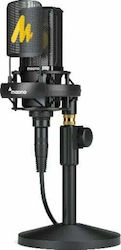
Игри / Стрийминг
Повечето геймъри използват кондензаторни микрофони, за да улавят лесно гласа си. Важно обаче е те да са насочени Cardioid или Supercardioid, за да се избягва записването на звуците от клавишите или мишката.
Най-простото решение би било една настолна стойка, но често тя носи недостатъка да предава шумовете от повърхността, върху която е поставена, което я прави неидеална за гейминг, тъй като върху бюрото има доста „действие“.
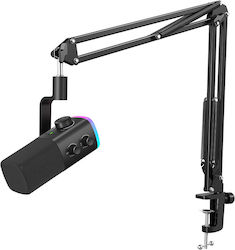
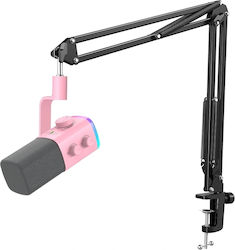
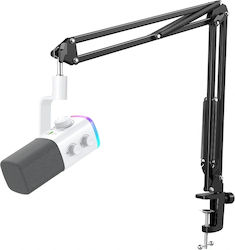
Това, което препоръчваме, е да комбинираш микрофона с едно boom arm , за да не е в контакт с вибрации, да е отделен и да не ти пречи, докато играеш.
Skroutz Tip: Ако не искаш да купуваш стойка и микрофон отделно, можеш за удобство да избереш един set.
Накрая, в случай че не разполагаш със звукова карта, защото току-що започваш стрийминг или просто не ти е толкова важно, обърни внимание да има USB порт, за да може лесно да се свързва с твоя компютър.

Топ микрофони за гейминг / стрийминг




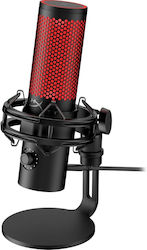
Интервюта / Подкаст
Ще ти е необходим и тук кондензаторен микрофон, който обаче не е нужно да бъде с ограничена насоченост на звука (Omnidirectinoal), тъй като:
- може да се използва от 2 души
- няма да има постоянни шумове, като натискане на клавиши
Паралелно с това, в случая на подкаст можеш да предпочетеш и настолен тип стойка, тъй като отново няма да има опасност от вибрации. Разбира се, винаги е полезна една boom стойка, защото с едно просто движение можеш да махнеш микрофона от пътя и да го прибираш отстрани на бюрото.
Накрая, в зависимост от това дали разполагаш или не със звукова карта, можеш да избереш микрофон с XLR или USB.
Skroutz Tip: Не започвай да записваш, ако не си се снабдил с филтър за твоя микрофон. Той ще предпази записите ти от силни съгласни звуци като "с" и особеностите в речта на всеки човек.

Топ микрофони за подкастинг




Музика у дома / студио
За запис на глас или акустични инструменти в контролирана среда
Решението е кондензаторен микрофон. Внимание обаче! Ако искаш да си супер професионален, трябва да обърнеш внимание на мембраната на микрофона, тъй като нуждите на гласа и на акустичната китара са различни.
По-конкретно, за запис на акустични инструменти най-добрата тактика е кондензаторен микрофон с малка мембрана, тъй като е много чувствителен и улавя отлично всеки детайл на звука.
За глас избери класически кондензаторен микрофон с голяма мембрана, тъй като звукът му е много по-топъл и естествен.
За запис на глас в неконтролирано пространство или електрически инструменти (китара, бас)
Динамичният микрофон е единственият избор. По този начин гласът ти ще може да се чува ясно, без да улавя досадните шумове, а същевременно ще бъде достатъчно устойчив на силни звуци, без да изкривява.
Накрая, тъй като за горното със сигурност ти е нужна външна звукова карта, използвай я максимално, като закупиш микрофон с XLR връзка. Така ще имаш повече възможности за обработка, както и по-високо качество.
Skroutz Tip: Независимо дали искаш да пееш, или да запишеш някакъв инструмент, стойка с достатъчно възможности за движение е задължителна, тъй като особено ако свириш на инструмент, ръцете ти ще бъдат заети.

Най-добрите кондензаторни микрофони за вокали


Най-добрите кондензаторни микрофони за акустични инструменти


Най-добрите динамични микрофони за вокали и високоинтензивни инструменти




Музика на живо
Динамичният микрофон е най-доброто решение, но ако искаш да избереш безжичен, струва си да помислиш за размера на мястото, на което ще свириш, както и колко често ще го правиш.
Тоест, ако свириш рядко в много малки пространства и искаш свобода на движение, един микрофон с VHF връзка ще свърши работа.
Ако това е нещо, което искаш да правиш повече от хоби и искаш да инвестираш в нещо, което ще е подходящо за по-големи пространства, без риск от смущения, UHF е най-доброто решение, макар и малко по-скъпо.
Разбира се, за да не се чудиш много то Shure SM 58 да бъде и най-продаваният избор в световен мащаб за кабелен и безжичен!
Най-добрите безжични гласови микрофони


Vlogging / Външна употреба
Предпочети микрофон, който се поставя на ревера ти за свобода на движение, но също така се свързва лесно с камерата или смартфона ти. Тоест трябва да има или Lightning, или USB, или 3.5mm, в зависимост от устройството, с което искаш да го свържеш.
По отношение на типа, повечето предпочитат кондензаторни omnidirectional микрофони, за да е лесно улавянето на гласа, без да се налага да говориш в определена точка на микрофона и да си докараш схващане на врата.
В случая на интервютата ще видиш, че има модели толкова малки, че можеш да имаш един на ревера си и един в ръката си, за да обслужваш събеседника си.

Най-добрите микрофони за влогове / интервюта


След като видяхте какво ви е необходимо за всяко използване, нека разгледаме по-отблизо всяка функция, заедно с нейното подходящо приложение.
Тип на работа
Микрофоните, в зависимост от тяхната конструкция, се делят на кондензаторни и динамични.
Свързване
Най-често срещаните видове жични връзки за микрофони са:
Най-често срещаните видове безжични микрофонни връзки са:
Посока
В зависимост от това откъде микрофоните получават звук, те се разделят на 3 основни категории, всяка от които има своето идеално приложение.
Свързани статии
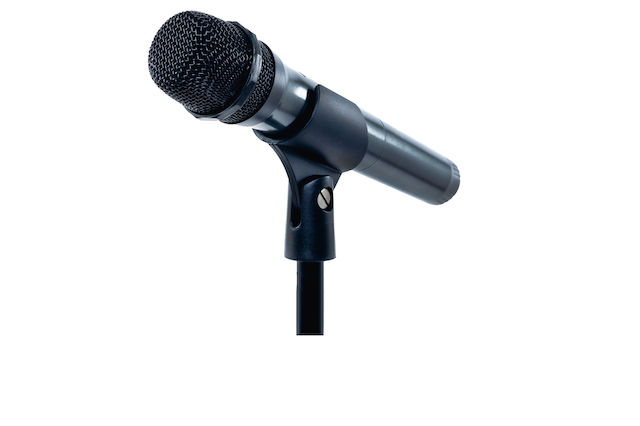
Най-добрите микрофони за всяка употреба
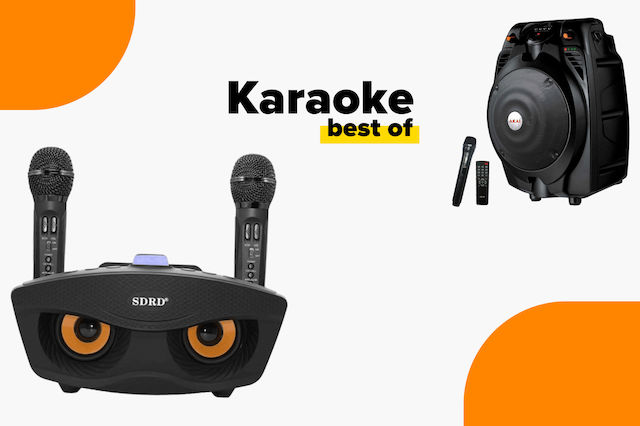
Най-добрите караоке системи
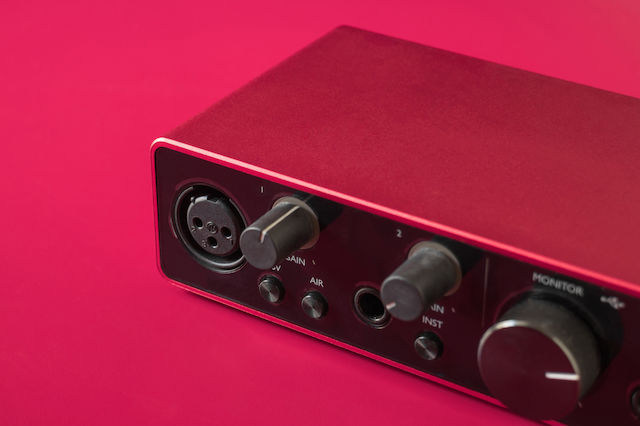
Ръководство за покупка: Как да изберете подходящата звукова карта
бъдете първият, който остави коментар