

What is SPF in sunscreens?
The sun is life, energy, and good mood - but, like all wonderful things, it needs
moderation and proper protection. Especially during the spring and summer months, when exposure
to solar radiation becomes more intense, sunscreen is not just a skincare product;
it is a daily necessity and a health ally.
One of the first things we notice on every sunscreen product is the SPF rating — but do you really know what it means? What is the difference between an SPF 30 and an
SPF 50? And how should you use it so that it provides the protection it promises? In this text, we will answer all the questions about SPF, see how it works, and discover what we should pay attention to when choosing and applying
sunscreen.
See below some of my favorite sunscreens:


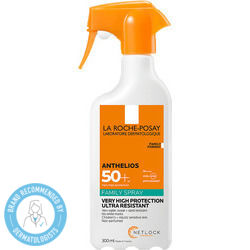

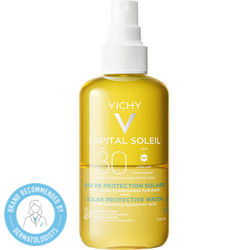


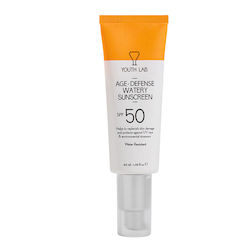

Let’s start with the basics...
What is SPF?
SPF (Sun Protection Factor) is the protection index listed on sunscreen products and shows how effectively they protect the skin from the sun’s harmful UVB rays, which are responsible for sunburn. It is worth noting that SPF does not refer to UVA rays, which penetrate deeper into the skin and are linked to premature aging and long-term damage. For this reason, it is important to choose products with broad spectrum protection, which protect against both UVB and UVA rays.
What are the differences between SPF levels?
SPF levels differ according to the percentage of protection they offer against UVB rays. For example, SPF 15 blocks about 93% of UVB rays, SPF 30 around 97%, while SPF 50 reaches about 98%. Although the differences in the numbers seem large, the increase in protection is relatively small as the index goes up — no sunscreen blocks 100% of radiation.
It is also worth noting that, according to experts, a sunscreen with SPF 30 means that it allows the skin to be exposed to the sun 30 times longer without burning, compared to wearing no sunscreen at all (theoretically and under ideal conditions). A sunscreen with SPF50 means that it allows the skin to be exposed to the sun 50 times longer without burning, compared to wearing no sunscreen at all, etc.
Choosing the right SPF depends on your skin type, the duration of sun exposure, and your activity. If you have fair or sensitive skin, or you are in strong sunlight, SPF 30 or 50 is recommended. The most important thing, however, is proper application and regular reapplication, regardless of the number — because even the highest SPF is not effective if it is not applied correctly.
How does SPF work?
SPF works like a filter between the skin and the sun’s harmful UVB rays, reducing the amount of radiation absorbed by the skin. Essentially, the active ingredients in sunscreen either absorb or reflect solar radiation, so it does not penetrate the skin and cause burns or cellular damage.
Tips for proper sunscreen use
- Apply it properly and in time: Sunscreen should be applied to clean and dry skin about 20-30 minutes before sun exposure, so that it has time to be absorbed and fully activated. Don’t skimp on the amount: Most people use much less than needed. For the entire body of an adult, estimate an amount equal to a shot glass, and for the face and neck, an amount equal to a teaspoon.
- Don’t forget the “innocent” spots: Ears, neck, soles of the feet, the backs of the knees, and the tops of the hands are often forgotten — but they burn easily. Make sure to protect them.
- Reapply regularly: Sunscreen should be reapplied every 2 hours, or more often if you sweat a lot or go into the water, even if the sunscreen says it is water-resistant. The easiest way to reapply it on the face during the day (even over makeup) is with a sunscreen stick, powder, or spray.
- Use it every day: The sun never takes a day off, so it is important to use sunscreen on cloudy days too, or when you are indoors with strong natural light or in front of windows.
- Combine it with physical protection: Sunscreen is the main measure of protection against the sun, but it is also a good idea to wear a hat, sunglasses, and avoid intense sun exposure during peak hours (11:00–16:00).
Relevant Articles

Win a €100 voucher with the new iPhone!

Time to upgrade to iPhone 18 with a €40 coupon

New Law 2026 for Electric Scooters: Age Limits & Fines
Be the first to leave a comment!