

Как да избереш правилно детски слънцезащитен крем!
Безгрижно лято, за вас и вашите малчугани!
Лятото е в разгара си и децата вече се наслаждават на морето и плажните игри. Намерете полезни съвети и препоръки за максимална защита на бебета и деца от вредните слънчеви лъчи и се наслаждавайте на безгрижни моменти!
Защо е необходим слънцезащитният крем?
Повечето от нас свързват използването на слънцезащитен крем с летните месеци, но истината е, че в днешно време той е необходим през цялата година. Особено бебетата и децата трябва да бъдат напълно защитени от слънцето, защото имат особено чувствителна кожа, което ги прави уязвими към слънчеви изгаряния и бъдещи кожни проблеми. Не забравяйте, излагането на слънце е кумулативно!

Какво представляват UVA, UVB и SPF?
Има 2 различни вида слънчева радиация. UVA радиацията е по-свързана с преждевременното стареене на кожата, докато UVB е свързана с изгаряния на кожата. Детските слънцезащитни кремове предпазват от и двата вида слънчева радиация.
Слънцезащитният фактор (SPF) е мярка за степента на защита, която всеки продукт предлага срещу ултравиолетовите UVB лъчи.
Прост пример за разбиране на степента на защита на слънцезащитния крем е следният: ако кожата започне да се зачервява след 20 минути излагане на слънце, то използването на слънцезащитен крем с фактор на защита 30 ще предотврати зачервяването 30 пъти повече в сравнение с естествената защита на кожата, разбира се, при условие че се нанася често, особено ако детето се гмурка в морето или басейна.
Как да изберем слънцезащитен крем за деца?
За правилния избор на слънцезащитен крем за бебета над 6 месеца и деца:
- Предпочитайте слънцезащитен крем с широк спектър и физически филтри. Той предпазва от UVA и UVB лъчи, а физическите филтри са по-малко дразнещи за бебешката кожа.
- Изберете водоустойчив слънцезащитен крем с индикация за водоустойчивост, който защитава по-ефективно кожата на деца, които често се гмуркат във водата.
- Изберете лосион или крем. Според дерматолозите и Гръцкото педиатрично дружество, това е по-безопасно в сравнение със спрей, който е по-практичен за нанасяне, но детето може да го вдиша. Ако предпочитате спрея, напръскайте продукта върху ръцете си, а не директно върху детето.
Най-популярните слънцезащитни кремове за деца


SOS съвети за ефективна защита
- Бебета под 6 месеца не трябва да бъдат излагани на слънце за тяхната безопасност
- Избягвай продължителното излагане на детето на слънце между 10:00-16:00
- Нанасяй слънцезащитния крем поне 20 минути преди излагане на слънце
- Нанасяй върху цялото тяло и лицето (не забравяй ушите и местата, които мислиш, че не са изложени на слънце)
- Подновявай слънцезащитния крем често (на всеки 2 часа приблизително), особено ако детето играе във водата
- Покрий тялото на бебето или детето с блуза с дълъг ръкав и бански с UV защита
- Не забравяй шапката и един качествен чифт слънчеви очила за защита на очите
- Грижи се да се хидратира с вода и сокове и да не остава под слънцето без защита
- Не използвай слънцезащитен крем, който си отворил/а миналата година, тъй като както всички козметични продукти имат срок на годност (при слънцезащитните кремове обикновено е 12 месеца след отваряне на опаковката)

Съществуват ли специални слънцезащитни продукти?
На пазара се предлагат освен класическите детски слънцезащитни продукти и продукти, които отговарят на различни нужди на бебешката и детската кожа:
1. Специално създадени за атопичен дерматит
Дерматолозите препоръчват слънцезащитни продукти с физични филтри, като цинков оксид и титанов диоксид, които остават на повърхността на кожата, отразяват UV лъчите и не се абсорбират. Въпреки това, дори и химичните филтри са също толкова ефективни, стига да няма алергия към някоя от съставките.
2. За чувствителна кожа
Детско слънцезащитно мляко с хипоалергенна формула, без аромат, без парабени, алкохол и оцветители ще осигури правилната защита от слънцето, както и от нежелани странични ефекти.
3. Защита от насекоми или медузи
Комбинира висока защита от слънчевата радиация, като същевременно предпазва от насекоми, като комари, мушици, пчели, оси и др. Също така ще намерите слънцезащитен продукт, който предпазва от ужилвания от медузи, с естествени съставки, които възпрепятстват дразненето на пипалата на медузата след контакт с човешката кожа.
Най-добрите слънцезащитни кремове за бебета и деца със специфични нужди на кожата


За допълнителна защита и безопасна игра на детето под лятното слънце, се снабдете с всички необходими аксесоари!
-
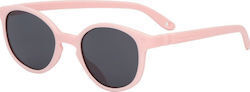 Детски слънчеви очила
-
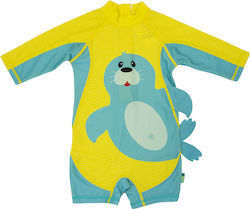 Детски бански
-
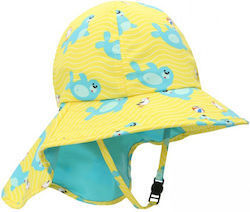 Детски шапки
-
 Детски плажни обувки
-
 Детски кърпи за плаж
-
 Плувни помагала
-
 Басейн играчки
-
 Плажни игри
-
 Детски плажен пончо
-
 Детски ракети и плажни топки


Свързани статии
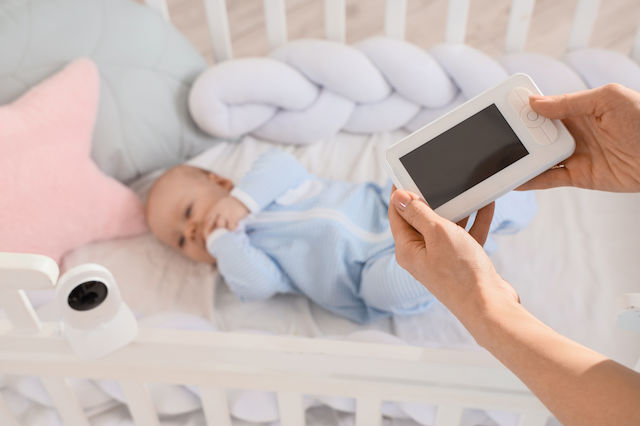
Най-добрите бебефони (baby monitors)
Най-добрите бебешки шезлонги за 2026 г. за моменти на комфорт и релакс
Най-добрите детски столчета за кола за 2026
бъдете първият, който остави коментар