

Ghid de cumpărare pentru aspiratoare electrice
„Ce aspirator ar trebui să cumpăr? Află totul înainte de a face achiziția!”
Cauți o aspirator electric și nu știi la ce trebuie să fii atent? Ești în locul potrivit!
Hai să vedem principalele lor caracteristici și pe care ar trebui să le acorzi cea mai mare importanță, în funcție de utilizarea pe care intenționezi să o faci.
1. Putere
Puterea motorului determină capacitatea de aspirare a aspiratorului. Pentru utilizare zilnică, un aspirator de până la 700 Watt este o alegere bună, iar pentru utilizare intensă sau dacă ai un animal de companie care lasă păr pe podea, alege un aspirator cu putere de peste 750 Watt.
De asemenea, multe aspiratoare au posibilitatea de reglare a puterii în funcție de cât de puternic trebuie să fie. Pe suprafețe netede poți seta puterea aspiratorului mai jos, iar pe covoare groase și suprafețe aspre îl poți pune la intensitate maximă, pentru o eficiență mai mare.
Limită de Watt: Din 2014, UE interzice vânzarea aspiratoarelor electrice cu putere de peste 1600 watt, iar în 2017 limita a fost redusă la 900 watt. În ciuda reducerii puterii, producătorii au îmbunătățit tehnologia astfel încât aspiratoarele să mențină sau chiar să crească performanța cu un consum mai mic, prin modificări ale designului motoarelor, duzelor și filtrelor.
Corespondența cu aspiratoarele de astăzi este următoarea:
2. Tipul aspiratorului
Împărțirea de bază a aspiratoarelor se face în funcție de faptul dacă folosesc sac sau au recipient, unde sunt colectate praful și murdăria.
Cu recipient
De asemenea, cunoscute ca ciclonice. Sunt recomandate pentru utilizare profesională și pentru uz casnic foarte frecvent. Ajută la economisirea banilor și asigură că nu vei rămâne niciodată fără saci. Totuși, de obicei necesită o curățare mai frecventă și înlocuirea mai frecventă a filtrelor.
În plus, procesul de golire a recipientului poate să nu fie potrivit pentru oricine, în special pentru persoanele sensibile sau alergice la praf ori microparticule.
Cu sac
Sunt recomandate în principal pentru uz casnic și în special pentru persoanele cu astm și alergii, deoarece praful este sigilat în sac și astfel persoana nu intră în contact direct cu acesta.
3. Capacitatea recipientului
Recipientul de colectare a prafului poate avea de la 1 litru până la 4 litri sau chiar mai mult. Pentru apartamente mici, un aspirator cu recipient de 1-2 litri este suficient. Pentru case mai mari sau dacă ai copii și/sau animale de companie, asigură-te că alegi un aspirator cu recipient de 3 litri sau mai mare, astfel încât să nu fie nevoie să-l golești des.
4. Filtre
Filtrele captează praful care intră în aspirator. Unele aspiratoare folosesc filtre HEPA care au o eficiență ridicată. Pe lângă filtrele de schimb, există și filtre lavabile. Acum, toate aspiratoarele care au un recipient pentru praf vin cu filtre speciale pentru a preveni reemisia prafului în mediu și pentru a proteja împotriva alergenilor.
5. Greutate
Deși cele mai multe aspiratoare sunt echipate cu roți pentru o transportare ușoară, greutatea și volumul joacă un rol important.
Un aspirator care cântărește până la aproximativ 5 kilograme este considerat destul de prietenos cu utilizatorul și vei putea să-l muți cu ușurință, chiar și pe scări sau pe podele.
6. Zgomot
Decibelii (dB) sunt unitatea de măsură pentru intensitatea sunetului. Cu cât decibelii sunt mai puțini, cu atât funcționarea aspiratorului este mai silențioasă. De exemplu, un aspirator cu 70-75 dB sau mai puțin este o opțiune cu zgomot redus.

7. Accesorii
Aspiratoarele sunt însoțite de anumite accesorii de bază, precum accesoriul pentru curățarea tapițeriei mobilierului sau duza prelungitoare pentru pliuri și colțuri.
Înainte de a continua cu achiziția aspiratorului, verifică în descrierea produsului că accesoriile care îl însoțesc îți acoperă nevoile.
Ai covoare, parchet sau animale de companie? Vezi aspiratoare cu perii speciale pentru fiecare situație!
De asemenea, multe modele dispun de accesorii care pot fi achiziționate și separat.
8. Raza de acțiune
Se referă la lungimea cablului și lungimea furtunului. De fapt, este distanta maximă pe care aspiratorul o poate atinge de la priză. O rază de acțiune relativ mare, de aproximativ 10 metri, reduce timpul petrecut cu schimbarea constantă a prizelor și face curățarea mai ușoară și mai rapidă.
Știi la ce se folosește? Știm la ce trebuie să fii atent!
1. Ești o familie cu animale de companie? Asigură-te că aspiratorul are următoarele!
- Putere de cel puțin 800 de wați pentru a face față eficient părului de animale și murdăriei.
- Capacitate a recipientului >3 litri.
- Filtru HEPA, pentru a captura alergenii.
- Accesorii: Duza specială pentru părul de animale
- Nivel de zgomot sub 75 dB, astfel încât prietenul tău patruped să nu fie deranjat de zgomote puternice și poate chiar pentru utilizare atunci când cei mici dorm (ar trebui să încerci).
2. Locuiești într-o casă sau într-un apartament mare?
- Putere 700-900 wați
- Capacitate a recipientului ≈3 litri
- Greutate & construcție: Caută un aspirator cu roți pentru o mișcare ușoară și o greutate de aproximativ 5 kilograme.
- Cu un rază de acțiune mare, de cel puțin 9 metri, astfel încât să nu fie nevoie să schimbi prizele frecvent.
3. Ești student sau locuiești într-un apartament mic cu puține nevoi?
- Putere 500-700 wați
- Capacitate a recipientului 1-2 litri, astfel încât să fie mic și ușor de depozitat.
- Greutate & construcție: Preferă un aspirator, sub 5 kilograme, pentru o mișcare ușoară.
- Accesorii: Duze de bază pentru colțuri și suprafețe mici.
Nu uita! Adesea poate exista o diferență într-un produs bazată pe caracteristicile sale generale, precum și pe construcția sa. Înainte să decizi, citește recenziile altor utilizatori pentru a vedea și părerile lor!
Dacă cunoști diferitele tipuri și cauți cele mai bune recomandări pentru fiecare buget și utilizare, poți vedea ghidul cu cele mai bune aspiratoare electrice, cu cele mai bune aspiratoare de mână și stick sau roboți!
➡ Vezi toate ofertele Black Friday la aspiratoare!
Articole relevante

Ghid de cumpărare pentru aspiratorul stick: „Fă-l curat!”
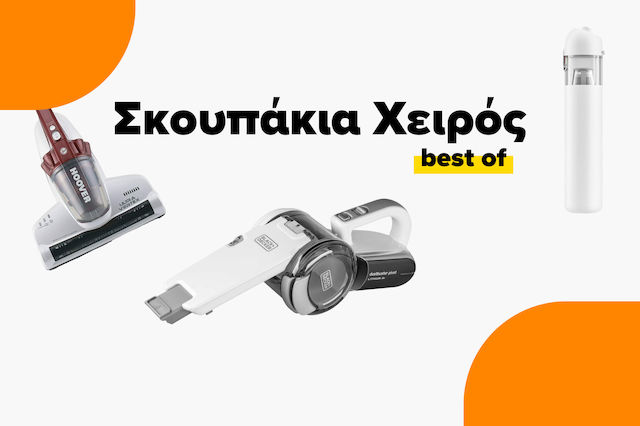
Cele mai bune aspiratoare de mână de pe piață
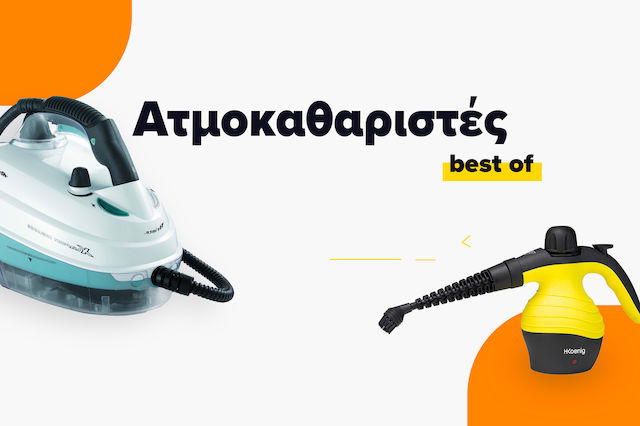
Care este cel mai bun aparat de curățat cu abur

fii primul care lasă un comentariu