

Ръководство за покупка на възглавници за сън
Една правилна възглавница може да направи разликата между спокоен сън и болка във врата. В този наръчник ще разгледаме всичко, което трябва да знаеш, преди да купиш възглавница, за да избереш най-подходящата за твоите нужди.
✨ Защо е важно да намерите идеалната възглавница?
Правилната възглавница играе решаваща роля за подкрепата на врата и за правилното подравняване на гръбначния стълб. Ако не е подходяща, може да:
- причини болка във врата и раменете
- натовари кръста
- намали качеството на съня
- предизвика главоболие
Правилната възглавница за сън намалява напрежението, държи гръбначния стълб в естествена права линия и подобрява качеството на живота ти.
✨ Позa за сън & избор на възглавница
Позата, в която предпочиташ да спиш, е най-важният фактор за намиране на правилната възглавница. Всяка поза изисква различна височина и опора, така че вратът и гръбначният стълб да останат в естествена права линия през цялата нощ. Нека видим по-долу какво да избереш според позата, в която ти е удобно да спиш.
➡ Сън на една страна
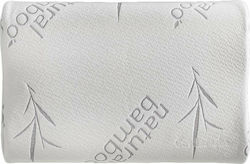
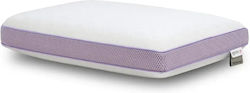
Ако обикновено спите на една страна, имате нужда от по-висока и стабилна възглавница, обикновено над 11 см, която да запълва празнината между рамото и главата.

Възглавници за спане настрани




➡ Сън по гръб
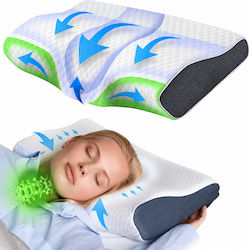
Ако любимата ти поза за сън е по гръб, тогава възглавница със средна височина ще ти осигури необходимата подкрепа, от която се нуждаеш. Запомни, че врата ти трябва да бъде поддържан, без да се огъва.

Възглавници за спане по гръб



➡ Спане по корем
Ако спането по корем е твоята сила, тогава имаш нужда от много ниска и мека възглавница, за да не се получава прекомерно разтягане на врата ти.

Възглавници за спане по корем



✨ Пълнеж на възглавницата
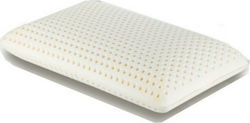
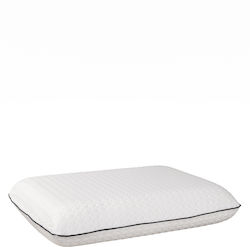
Материалът на възглавницата влияе пряко върху комфорта, опората, температурата и дълготрайността й. Правилният избор ти помага да спиш по-добре и да избягваш болки и дискомфорт.
Консултирай се с таблицата по-долу за най-често срещаните материали, кога да предпочетеш или да избягваш всеки от тях и защо:
✨ Височина & твърдост
Правилната височина и подходящата твърдост са едни от най-важните фактори при избора на възглавница. Главата и врата трябва да останат в права линия с гръбначния стълб, без да "потъват", но и без да се повдигат прекалено.
- Ниската възглавница, както вече споменахме, е идеална за тези, които спят по корем, тъй като предотвратява прекомерното извиване на врата и осигурява естествена позиция без напрежение. Обикновено е по-мека и по-гъвкава.
- От друга страна, високата възглавница е подходяща за тези, които спят на една страна, тъй като правилно запълва празнината между рамото и главата и намалява напрежението върху раменете и врата. Поради тази причина се предпочита от мнозина, тъй като осигурява по-стабилно усещане.
- Накрая, възглавницата със средна височина е най-подходящият избор за спане по гръб. Поддържа врата без да накланя главата, осигурява комфорт и опора и е подходяща за повечето потребители.
Твърдостта показва колко поддържаща е възглавницата. Например, меката възглавница предлага усещане за комфорт, но по-малко опора, средно твърдата възглавница е най-балансираният избор за ежедневна употреба, докато по-твърдите възглавници държат врата стабилен и са идеални за странична позиция.
SkroutzTip: Добрата възглавница трябва да се адаптира към теглото на главата, без да губи формата си.
✨ Температура & дишане
Температурата играе важна роля за качеството на съня, затова е добре да предпочетеш леки материали. Ако се потиш лесно или усещаш възглавницата да „задържа“ топлината, тогава имаш нужда от материали, които дишат добре и отвеждат влагата. Хладната възглавница помага да спиш по-дълбоко и без прекъсвания.
За по-хладен сън избери:
- Gel Memory Foam, която съчетава опора и усещане за прохлада, намалявайки натрупването на топлина.
- Latex, тъй като осигурява естествена циркулация на въздуха и остава по-хладна в сравнение с класическите пяни.
- Памук, който е по-естествен, дишащ и приятелски към кожата.
- Bamboo, който отвежда влагата и осигурява допълнителна прохлада.
SkroutzTip: Запомни, че една качествена възглавница има въздушни канали за по-добро дишане, а ако има и сваляща се калъфка, която може да се пере лесно и често, възглавницата остава свежа.
Какво да избягваш:
- Тежки синтетични материали, които задържат топлината.
- Калъфки без вентилация.
- Много плътни пяни без gel или въздушни канали.
✨ Хигиена & поддръжка
Накрая, преди покупката е добре да имаш предвид, че възглавницата ежедневно влиза в контакт с лицето и косата ти, затова чистотата и правилната поддръжка са необходими за твоето здраве и комфорт.
Предпочитай възглавници:
- С пераем калъф, който позволява лесно почистване и премахване на микробите.
- От антиалергични материали, които са идеални за хора с алергии или чувствителна кожа.
- С антибактериални свойства, които ограничават натрупването на акари и миризми.
Колко издържа една възглавница?
Средната продължителност на живот на една възглавница е 2–3 години, тъй като с течение на времето губи опората си и натрупва влага, прах и бактерии.
Кога е необходима смяна?
- Ако не възвръща формата си.
- Ако се събуждаш с болки във врата.
- Ако има миризми или промени.
Една чиста и правилно поддържана възглавница означава по-добро здраве, повече комфорт и качествен сън всяка вечер.
Запомни! Идеалната възглавница не е еднаква за всички.
Зависи от:
✔ позата на сън,
✔ твоето тяло и
✔ твоите лични нужди.
С правилния избор инвестираш в по-добър сън и здраве.
Не забравяй! Като вземеш предвид горепосочените отделни характеристики и комбинираш тези, които отговарят на твоите нужди, можеш да стигнеш до идеалния избор за теб. Преди да вземеш решение, можеш да разгледаш и отзивите на други потребители, за да видиш тяхното мнение и опит, които могат да ти помогнат да вземеш много по-лесно финалното решение.
➡ Можеш да разгледаш и ръководството за матраци за сън.
Свързани статии

Най-добрите безжични телефони за всяка нужда
Обновяване на дома сега - 4+1 съвета
„Спокоен“ сън: Как да почистите матрака си от акари.
бъдете първият, който остави коментар