

Ръководство за покупка: Как да избереш първия си подводен скутер (DPV)
Ако си начинаещ, пазаруването може да изглежда като планина с всички тези технически термини. По-долу ще намериш всичко, което трябва да знаеш, обяснено с прости думи, за да направиш правилния избор.
Технически характеристики (Спецификации), на които трябва да обърнете внимание
Батерия и автономия (Време на работа): Сърцето на скутера. Търсете задължително литиеви батерии (Li-ion). Старите оловни батерии са тежки, чупят се лесно и се зареждат бавно. За начинаещ, автономия от 60 до 90 минути е напълно достатъчна за едно пълно гмуркане.
Максимална дълбочина (Depth Rating): Всеки скутер е направен да издържа на определено налягане. Дори и като начинаещ да се гмуркате на 18-20 метра, изберете скутер с дълбочинен лимит от поне 30 до 40 метра. Това ви дава "възглавница" за сигурност.
Тегло и преносимост: Не забравяйте, че ще трябва да го носите от колата до плажа или лодката. Един добър скутер за начинаещи обикновено тежи 5 до 10 килограма. Ако вземете нещо по-тежко, бързо ще стане уморително.
Скорост и степени (Gears): Максимална скорост от около 5-6 км/ч е идеална. Най-важното обаче е да има 2 или 3 степени на скорост (бавна - бърза). Така ще можете да се адаптирате към течението на водата или темпото на вашия партньор (buddy) при гмуркане.
Плаваемост (Buoyancy): Това е как се държи скутерът във водата. Искате скутер с неутрална плаваемост (neutral buoyancy) или леко положителна. Това означава, че ако го пуснете от ръцете си, ще остане на същата дълбочина или ще изплува много бавно на повърхността. В никакъв случай не искате скутер, който, ако ви се изплъзне, ще потъне като камък на дъното.
Обобщение на характеристиките
Задължителни характеристики за безопасност
Когато влизаш във водата с машина, безопасността е на първо място:
Автоматично изключване (Auto Shut-off): Това е от съществено значение. Скутерът трябва да работи само когато държиш спусъците. Ако случайно го пуснеш, перката трябва да спре моментално.
Индикатор за батерията (LED Battery Indicator): Искаш скутер с лампички (напр. зелено, жълто, червено), за да знаеш колко батерия ти остава. Най-лошият сценарий е да си далеч от брега и да изгасне изведнъж.
Защита на перката: Перката трябва да е добре скрита в решетка, за да няма риск да се хванат вътре пръстите ти, екипировката ти или някое въже.
Основни инструкции за употреба и поддръжка (За да ти служи години наред)
Изплакването е закон: След всяко гмуркане в морето трябва да изплакваш скутера с обилно количество сладка вода. Солта е враг номер едно. Добре е да го поставиш във вана със сладка вода и да натиснеш спусъка за 1-2 секунди, за да се почисти и перката отвътре.
Грижа за O-пръстените: O-пръстените са гумените пръстени, които уплътняват скутера, за да не влиза вода вътре (там, където се поставя батерията). Те винаги трябва да са чисти (без пясък или косми) и да ги намазваш със специална силиконова грес всеки път, когато го отваряш.
Съхранение на батерията: Ако възнамеряваш да го оставиш в шкафа през зимата, не оставяй батерията напълно празна или на 100%. Остави я заредена на около 50-60% и я съхранявай на хладно място.
Свързани статии
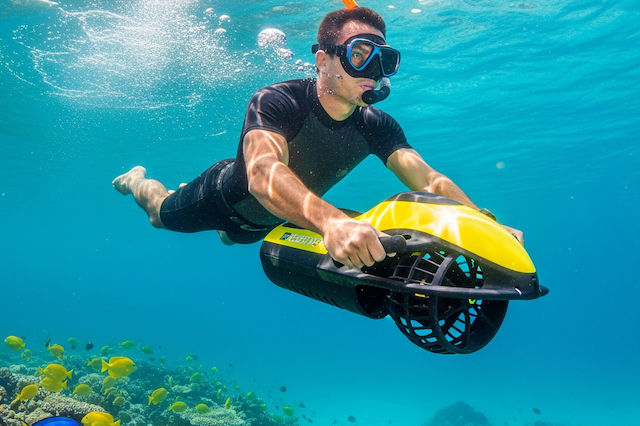
Най-добрите водолазни скутери на Skroutz

Най-добрите слънцезащитни продукти
Ръководство за покупка на преносими хладилници

бъдете първият, който остави коментар