

Retinol: What is it, how does it work on the skin & why should you include it in your routine?
What it is & what its benefits are:
Retinol is a form of vitamin A, which boosts skin renewal and collagen production, which begins to decrease after the age of 30. Its anti-aging properties are due to its action on the skin cells, accelerating their regeneration and thus promoting the production of skin elastin. As a result, there is a gradual reduction of fine lines and wrinkles, as well as a reduction in hyperpigmentation.
Other benefits include:
Its healing action, which helps treat scars caused by acne
Its exfoliating properties, which work deep within the cells and leave the skin radiant and smooth
Its sebum-regulating action that reduces oiliness
Its action in cleansing clogged pores, which cause blackheads and acne
Other derivatives of Vitamin A are Retinoids, which are usually prescribed by a doctor to combat acne, and Retinal, which is a more potent ingredient than Retinol, but due to its strong action, it usually causes irritation. That is why Retinol is the most ideal choice, as it is easy to incorporate into your routine without causing significant irritation.
The results of retinol usually appear after at least 12 weeks of use, but you will start to notice visible improvement from the first 8.
You will mainly find it in night care products, serums, or night creams, and this is due to its sensitivity to ultraviolet radiation, which, as we will see below, is something you need to pay attention to.
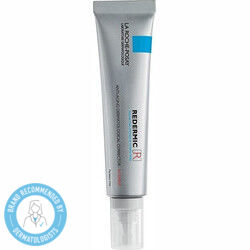
Retinol in Face Creams: 1.




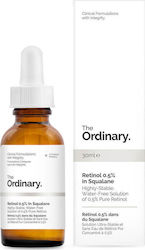
in Serum:




in Eye Creams:


What is it and what are its benefits:
Retinol is a form of Vitamin A, which enhances skin renewal and collagen production, which begins to decrease after the age of 30. Its anti-aging properties are due to its action on skin cells, accelerating their regeneration and thus promoting the production of skin elastin. This results in the gradual reduction of fine lines and wrinkles, as well as the reduction of hyperpigmentation.
Other benefits include:
Its healing action, which helps in dealing with scars caused by acne
Its exfoliating properties, which act deep within the cells and leave the skin radiant and smooth
Its sebum-regulating action that reduces oiliness
Its pore-cleansing action on clogged pores, which create blackheads and acne
Other derivatives of Vitamin A include Retinoids, which are usually prescribed by a doctor to combat acne, and Retinal, which is a stronger ingredient than Retinol, but due to its strong action, it usually causes irritations. That's why Retinol is the most ideal choice, as it is easy to incorporate into your routine without causing severe irritations.
The results of retinol usually appear after at least 12 weeks of use, but you will start to notice visible improvement from the first 8.
When and how do we apply retinol?
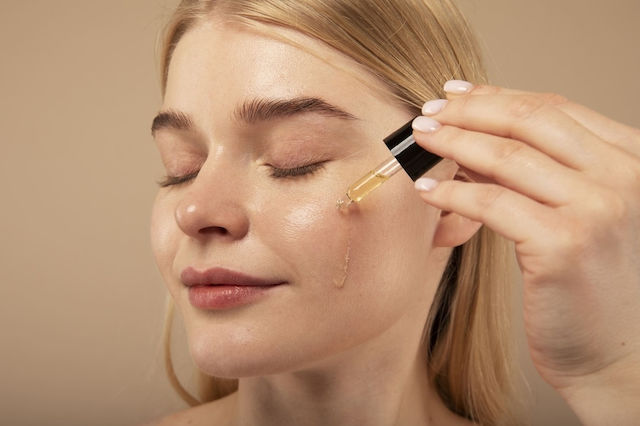
Retinol products (serum or cream) are best used at night, as sunlight can reduce their effectiveness. If you have a serum, use it immediately after cleansing, on dry face, neck & décolleté, to get the maximum benefit from vitamin A. Then apply a moisturizing cream. If you have retinol in cream form, apply it at night like a moisturizer.
Retinol products should be introduced gradually into your daily routine, as initially they may cause some irritation due to the increase of vitamin A in the skin. Therefore, during the first 2 weeks, it is best to use it two nights each week. For the following weeks, apply it every other night and then every night, if your skin responds well.
If you use other acids in your routine, remember that retinol should not be combined in the same routine with: AHA/BHA, Glycolic Acid & Vitamin C, as this can lead to peeling, redness and irritation.
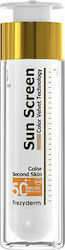
Don't forget to apply sunscreen daily when using retinol in your routine, as it causes sensitivity to the sun's ultraviolet rays.
At what age should its application begin?
The ideal age to start using retinol is from the age of 30 and above. However, its use is not prohibited for younger ages, as it can be used preventively since retinol boosts collagen production and prevents the formation of future lines and wrinkles. The difference lies in the fact that those over 30 will see more immediate results compared to younger skin types.
Is it suitable for all skin types?
Every skin type will show positive changes after incorporating retinol into the nightly skincare routine. Even sensitive skin benefits from vitamin A.







Be the first to leave a comment!