

Ποιο πλυντήριο ρούχων να επιλέξεις; Όλα όσα χρειάζεται να γνωρίζεις!
Η αγορά πλυντηρίου ρούχων δεν είναι εύκολη υπόθεση. Η διαθέσιμη γκάμα τιμών είναι ευρεία και οι επιλογές πολλές. Εμφανίζονται συνέχεια νέες καινοτομίες και πρέπει να γνωρίζεις ποια είναι εκείνα τα χαρακτηριστικά που πρέπει να λάβεις υπόψη σου, προκειμένου να επιλέξεις το καλύτερο πλυντήριο για εσένα.
➡ Και πριν απαντήσουμε σε όλα αυτά, μην ξεχνάς ότι με αγορά μέσω Skroutz έχεις:
- Δωρεάν παράδοση στον όροφο σου (ναι, ακόμα και στον 5ο).
- Δωρεάν επιστροφή σε περίπτωση που αλλάξεις γνώμη.
- 2 χρόνια εγγύηση για κάθε ενδεχόμενο (επισκευή, αντικατάσταση ή επιστροφή χρημάτων) και έχεις το κεφάλι σου ήσυχο.
- After-sales υποστήριξη για ό,τι χρειαστείς μετά την αγορά σου.
Με λίγα λόγια, αγοράζεις χωρίς άγχος.
Πάμε, τώρα, να τα δούμε όλα αναλυτικά, για να σου λυθεί κάθε απορία!
1. Τύπος: Εμπρόσθιας ή άνω φόρτωσης;
Η πρώτη και βασικότερη απόφαση που πρέπει να πάρεις αφορά τον τύπο του πλυντηρίου. Η επιλογή εξαρτάται κυρίως από τον διαθέσιμο χώρο, που έχεις στο σπίτι σου, καθώς και τις συνήθειές σου.
➡ Τα πλυντήρια εμπρόσθιας φόρτωσης είναι τα πιο δημοφιλή στην αγορά και όχι άδικα, μιας και συγκεντρώνουν μια πληθώρα πλεονεκτημάτων, όπως τα παρακάτω:
- Χωρητικότητα: Συνήθως προσφέρουν μεγαλύτερη χωρητικότητα, ιδανική για οικογένειες.
- Απόδοση: Πλένουν τα ρούχα πιο αποτελεσματικά και ταυτόχρονα πιο ήπια, καθώς η πλύση γίνεται με περιστροφική κίνηση του κάδου που εκμεταλλεύεται την τριβή των ρούχων μεταξύ τους.
- Κατανάλωση: Είναι πιο οικονομικά σε νερό και ρεύμα σε σύγκριση με τους άλλους τύπους.
- Χώρος: Μπορείς να τα τοποθετήσεις κάτω από τον πάγκο της κουζίνας ή του μπάνιου, ή ακόμη και να βάλεις πάνω τους ένα στεγνωτήριο για εξοικονόμηση χώρου.
Να το προτιμήσεις αν: έχεις μια οικογένεια, θέλεις κορυφαία απόδοση πλύσης και οικονομία και έχεις τον απαραίτητο χώρο για να ανοίγει η πόρτα του.
➡ Τα πλυντήρια άνω φόρτωσης, από την άλλη, αποτελούν την ιδανική λύση για μικρούς και στενούς χώρους, χάρη στα παρακάτω:
- Διαστάσεις: Είναι πιο στενά (συνήθως γύρω στα 40-45 εκ. πλάτος) και χωράνε εκεί που τα εμπρόσθιας φόρτωσης δεν μπορούν.
- Ευκολία στη χρήση: Δεν χρειάζεται να σκύβεις για να βάλεις ή να βγάλεις τα ρούχα, κάτι που τα καθιστά ιδανικά για άτομα με μυοσκελετικά προβλήματα.
- Ασφάλεια: Η πόρτα μπορεί να ανοίξει κατά τη διάρκεια της πλύσης (στα περισσότερα μοντέλα) για να προσθέσεις κάποιο ξεχασμένο ρούχο.
Να το προτιμήσεις αν: ο χώρος σου είναι πολύ περιορισμένος ή αν δυσκολεύεσαι με το σκύψιμο.
2. Χωρητικότητα
Η χωρητικότητα ενός πλυντηρίου μετριέται σε κιλά. Αυτό είναι κάτι που όλοι ξέρουμε! Αυτό που μπορεί να μην ήξερες είναι ότι αναφέρεται σε κιλά στεγνών ρούχων και είναι από τα πιο σημαντικά κριτήρια. Η επιλογή εξαρτάται από το πόσα άτομα είστε στο σπίτι και πόσο συχνά βάζετε πλυντήριο.
Στον παρακάτω πίνακα μπορείς να δεις ενδεικτικά πόσα άτομα μπορεί να καλύψει κάθε χωρητικότητα, καθώς και προτεινόμενες ποσότητες σε ρούχα.
SkroutzTip: Μην υπερφορτώνεις τον κάδο! Τα ρούχα χρειάζονται χώρο για να κινηθούν και να καθαρίσουν σωστά. Ένα ελαφρώς μεγαλύτερο πλυντήριο που δεν δουλεύει πάντα στο μέγιστο φορτίο είναι συχνά καλύτερη επένδυση.

3. Ενεργειακή κλάση
Από τον Μάρτιο του 2021, οι ενεργειακές ετικέτες άλλαξαν. Η κλίμακα πλέον είναι από A έως G, με την A να είναι η πιο αποδοτική. Ξέχνα τα Α+, Α++ και Α+++.
Τι σημαίνει στην πράξη; Ένα πλυντήριο κλάσης Α μπορεί να καταναλώνει έως και 50% λιγότερη ενέργεια από ένα κλάσης G. Αυτό μεταφράζεται σε σημαντική εξοικονόμηση χρημάτων στον λογαριασμό του ρεύματος μακροπρόθεσμα.
Νέα Ετικέτα: Πάνω στην ετικέτα θα δεις, εκτός από την ενεργειακή κλάση, την κατανάλωση ενέργειας (σε kWh ανά 100 κύκλους πλύσης), την κατανάλωση νερού (σε λίτρα ανά κύκλο), τη χωρητικότητα, τη διάρκεια του προγράμματος "Eco 40-60" και το επίπεδο θορύβου στο στύψιμο (σε dB) μαζί με την κλάση θορύβου (A-D).
SkroutzTip: Επένδυσε σε ένα πλυντήριο υψηλής ενεργειακής κλάσης. Το αρχικό κόστος μπορεί να είναι ελαφρώς υψηλότερο, αλλά θα κάνεις απόσβεση μέσω των χαμηλότερων λογαριασμών.
⬇ Παρακάτω μπορείς να μάθεις τα πάντα για τις ενεργειακές ετικέτες των πλυντηρίων και πως να τις αποκωδικοποιήσεις:

4. Στροφές στυψίματος (RPM)
Οι στροφές στυψίματος μετριούνται ανά λεπτό (RPM) και καθορίζουν κατά πόσο το πλυντήριο στύβει αποτελεσματικά τα ρούχα, αφαιρώντας την υγρασία.
- Η πιο συνηθισμένη επιλογή είναι τα 1000-1200 RPM. Το στύψιμο σε αυτές τις στροφές αφήνει τα ρούχα αρκετά στεγνά για να απλωθούν και να στεγνώσουν γρήγορα με φυσικό τρόπο.
- Από την άλλη, στύψιμο σε 1400-1600 RPM είναι ιδανικό αν χρησιμοποιείς στεγνωτήριο, καθώς τα ρούχα βγαίνουν με πολύ λιγότερη υγρασία. Αυτό σημαίνει ότι το στεγνωτήριο θα χρειαστεί λιγότερο χρόνο και ενέργεια για να ολοκληρώσει τη διαδικασία.
- Τέλος, σε πιο οικονομικά μοντέλα συνήθως συναντάμε στροφές κάτω από 1000 RPM. Σε αυτές τις περιπτώσεις τα ρούχα θα χρειαστούν περισσότερο χρόνο για να στεγνώσουν στον αέρα.
SkroutzTip: Οι υψηλές στροφές δεν είναι κατάλληλες για όλα τα υφάσματα. Τα ευαίσθητα ρούχα (π.χ. μάλλινα, μεταξωτά) χρειάζονται στύψιμο σε χαμηλότερες στροφές για να μην φθαρούν.
Αν σκεφτεί κανείς ότι στη χώρα μας πάνω από τους μισούς μήνες του χρόνου έχουμε ήλιο και ζέστη, τα πλυντήρια 1.000 στροφών το λεπτό προσφέρουν μια καλή σχέση ποιότητας - τιμής. Αν, ωστόσο, χρησιμοποιείς συχνά στεγνωτήριο, προτίμησε να επενδύσεις σε ένα πλυντήριο με πάνω από 1.200 στροφές. Το επιπλέον κόστος αγοράς του πλυντηρίου θα αποσβεστεί από τους χαμηλότερους λογαριασμούς του στεγνωτηρίου.
Πλυντήριο - στεγνωτήριο σε ένα;
Μπορεί η χώρα μας να είναι ευνοημένη με άφθονο ήλιο, αλλά κάποιες φορές που μας κυνηγάει ο χρόνος και ο καιρός δεν βοηθάει, ένα πλυντήριο - στεγνωτήριο είναι ιδανικό.
- Στα πλεονεκτήματα της συσκευής συγκαταλέγεται φυσικά η ευκολία στο στέγνωμα των ρούχων χωρίς να απαιτείται χώρος για τοποθέτηση στεγνωτηρίου.
- Στα μειονεκτήματα όμως ανήκει το γεγονός ότι το πλυντήριο - στεγνωτήριο δεν είναι σε θέση να στεγνώσει την ίδια ποσότητα ρούχων που μπορεί να στεγνώσει ένα ξεχωριστό στεγνωτήριο, επειδή ο κάδος είναι μικρότερος. Ενδεχομένως να χρειαστεί να αφαιρεθεί η μισή ποσότητα ρούχων από το πλύσιμο, προκειμένου να γίνει σωστό στέγνωμα.
Αν ενδιαφέρεσαι για ξεχωριστό στεγνωτήριο ρούχων, δες εδώ τον οδηγό με τα καλύτερα στεγνωτήρια!
5. Διαστάσεις & τοποθέτηση
Η σωστή μέτρηση του χώρου είναι από τα πιο σημαντικά βήματα πριν την αγορά πλυντηρίου, ώστε να αποφύγεις δυσάρεστες εκπλήξεις την ημέρα της εγκατάστασης.
- Μέτρησε με ακρίβεια το διαθέσιμο πλάτος, βάθος και ύψος στον χώρο που θα τοποθετηθεί το πλυντήριο. Μην αρκεστείς μόνο στις ονομαστικές διαστάσεις που δίνουν τα καταστήματα – πρόσθεσε και 2–3 εκατοστά περιθώριο για σωληνώσεις και εξαερισμό.
- Υπολόγισε τον χώρο για το άνοιγμα της πόρτας, αν επιλέξεις μοντέλο εμπρόσθιας φόρτωσης. Αν ο χώρος είναι στενός, βεβαιώσου ότι η πόρτα δεν θα χτυπά στον τοίχο ή κάποιο έπιπλο.
- Για μικρούς χώρους, υπάρχουν τα slim πλυντήρια με βάθος 40–45 εκ., τα οποία μπορούν να τοποθετηθούν πιο εύκολα. Αυτό δε σημαίνει απαραίτητα ότι θα είναι πολύ μικρότερα σε χωρητικότητα από τα υπόλοιπα.
- Αν σκέφτεσαι να τοποθετήσεις το πλυντήριο κάτω από πάγκο κουζίνας, δώσε σημασία στο ύψος (συνήθως χρειάζεται να είναι 82–85 εκ.). Παρόλο που η πλειοψηφία των πλυντηρίων που υπάρχουν στην αγορά είναι κατά βάση ελεύθερα, μπορείς να βρεις και εντοιχιζόμενα πλυντήρια ρούχων με αποσπώμενο καπάκι για καλύτερη προσαρμογή.
- Σκέψου που βρίσκονται οι παροχές νερού και η αποχέτευση: ένα πλυντήριο χρειάζεται εύκολη πρόσβαση και σωστή αποστράγγιση για να λειτουργήσει χωρίς προβλήματα.
- Τέλος, βεβαιώσου ότι υπάρχει σταθερό και επίπεδο δάπεδο, γιατί αν το πλυντήριο δεν «κάθεται» σωστά, μπορεί να δονείται ή να κάνει θόρυβο στο στύψιμο.

6. Προγράμματα & άλλες χρήσιμες λεπτομέρειες
Με την εξέλιξη της τεχνολογίας, τα πλυντήρια ρούχων έχουν μεταμορφωθεί σε έξυπνες συσκευές που παίρνουν πρωτοβουλίες, διευκολύνοντας τη ζωή μας. Ας δούμε, λοιπόν, κάποιες καινοτομίες:
- Μια από τις βασικότερες «έξυπνες» λειτουργίες είναι η αυτόματη αναγνώριση των δεδομένων πλύσης, όπως η λειτουργία αυτόματου ζυγίσματος. Χάρη σε ειδικούς αισθητήρες που αντιλαμβάνονται το βάρος του φορτίου, αλλά και το βαθμό που έχουν λερωθεί τα ρούχα, γίνεται χρήση της ανάλογης ποσότητας νερού και απορρυπαντικού.
- Πλέον υπάρχουν πολλά πλυντήρια με smart λειτουργίες, τα οποία διαθέτουν τη δική τους εφαρμογή, ενώ συνδέονται στο ίντερνετ για να μπορείς να τα ελέγξεις ανά πάσα στιγμή. Μέσα από την εφαρμογή μπορείς να δώσεις απομακρυσμένα την εντολή εκκίνησης πλύσης ή και να ορίσεις συγκεκριμένη ώρα που θέλεις να ξεκινήσει. Εννοείται, φυσικά, πως μπορείς να ρυθμίσεις από το κινητό σου όλες του τις λειτουργίες και τα προγράμματα.
- Κάθε σύγχρονο πλυντήριο πρέπει να περιλαμβάνει στα προγράμματά του κι εκείνο της γρήγορης πλύσης, διάρκειας 15-30 λεπτών, για εξοικονόμηση χρόνου και κατανάλωσης, αναλόγως τις ανάγκες σου.
- Πολλά πλυντήρια διαθέτουν, ακόμη, μεγαλύτερο άνοιγμα πόρτας για ευκολότερο άδειασμα του φορτίου. Έλεγξε, επίσης, από ποια πλευρά ανοίγει η πόρτα. Εάν το πλυντήριο σου θα τοποθετηθεί σε κάποια γωνία, η λεπτομέρεια αυτή έχει ιδιαίτερη σημασία.
- Ο θόρυβος, τόσο κατά την πλύση, όσο και κατά το στύψιμο, είναι ένας δείκτης που δεν μπορεί να σε αφήνει ασυγκίνητο. Όλοι θέλουν ένα πλυντήριο χαμηλού θορύβου! Γι' αυτό καλό είναι να ελέγξεις από πριν τα επίπεδα θορύβου και την αντικραδασμική δυνατότητα της συσκευής, καθώς και τη δυνατότητα να παραμένει σταθερός ο κάδος, σε υψηλές ταχύτητες περιστροφής.
SkroutzTip: Για χαμηλή στάθμη θορύβου επίλεξε ένα πλυντήριο που παράγει λιγότερο από 75 db, κατά τη διαδικασία στυψίματος.
- Ένας ακόμα δείκτης κατάταξης που προστέθηκε πρόσφατα από την Ευρωπαϊκή Ένωση είναι κι εκείνος της απόδοσης στύψης. Η αποδοτικότητα αυτή καθορίζεται με γράμματα από το A (περισσότερο αποδοτική στύψη), ως το G (λιγότερο αποδοτική).
- Επίσης, οι συσκευές είναι χρήσιμο να παρέχουν αυτόνομες λειτουργίες ρύθμισης θερμοκρασίας, στροφών και ξεβγάλματος, τις οποίες θα επιλέγεις εσύ και χειροκίνητα αναλόγως τις ανάγκες σου.
- Μπορείς ακόμη να βρεις συσκευές πλυντηρίων, που χρησιμοποιούν μικρότερη ποσότητα νερού σε σχέση με άλλα. Την πληροφορία σχετικά με την κατανάλωση νερού μπορείς να τη βρεις στην ενεργειακή ετικέτα της συσκευής.
- Η τεχνολογία ατμού υψηλής θερμοκρασίας έρχεται να καινοτομήσει σημαντικά στα σύγχρονα πλυντήρια ρούχων, καθώς υπόσχεται πιο υγιεινό και αποτελεσματικό πλύσιμο, απομακρύνοντας αλλεργιογόνα και δύσκολους λεκέδες χωρίς να ταλαιπωρεί τα υφάσματα.
SkroutzTip: Θεωρείται ιδανική για παιδικά και μωρουδιακά ρούχα, καθώς απολυμαίνει παράλληλα.
- Τα πλυντήρια με διπλή παροχή νερού, έχουν τη δυνατότητα να αντλήσουν νερό που είναι ήδη ζεστό (από τον ηλιακό θερμοσίφωνα για παράδειγμα) εξοικονομώντας ενέργεια και χρήματα.
- Τέλος, χρήσιμος είναι και ο προγραμματισμός λειτουργίας του πλυντηρίου για να μπορείς να μετατοπίσεις την ώρα έναρξης ή/και να εκμεταλλευτείς το ωράριο νυχτερινής λειτουργίας.
7. Εγγύηση – διάρκεια ζωής – after sales
Ενημερώσου για τη διαδικασία που ακολουθείται σε περίπτωση βλάβης, τη διάρκεια της εγγύησης και την προβλεπόμενη διάρκεια ζωής του πλυντηρίου.
Ένας σημαντικός παράγοντας σε κάθε αγορά ηλεκτρικής συσκευής είναι και η αξιοπιστία της μάρκας. Σίγουρα το πλυντήριο δεν είναι η πρώτη συσκευή που αγοράζεις. Ποια μάρκα, λοιπόν, εμπιστεύτηκες στο παρελθόν και έμεινες ευχαριστημένος; Εμπιστεύσου τη ξανά!
Μην ξεχνάς! Λαμβάνοντας υπόψιν τα παραπάνω επιμέρους χαρακτηριστικά και συνδυάζοντας εκείνα που ταιριάζουν στις ανάγκες σου, μπορείς να καταλήξεις στην ιδανική επιλογή για εσένα. Πριν αποφασίσεις, μπορείς να ρίξεις μια ματιά και στις κριτικές άλλων χρηστών, ώστε να δεις και τη δική τους γνώμη και εμπειρία, που μπορεί να σε βοηθήσουν να καταλήξεις πολύ πιο εύκολα στην τελική απόφαση.
Ανακάλυψε, επίσης, τον οδηγό με τα καλύτερα πλυντήρια ρούχων στο Skroutz, αλλά και τη νέα κατηγορία μας με εκθεσιακά και στοκ πλυντήρια ρούχων, στις καλύτερες τιμές!
Σχετικά Άρθρα
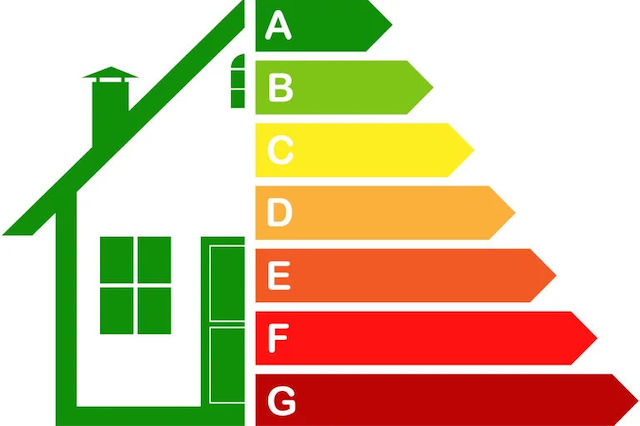
Ενεργειακή ετικέτα Πλυντηρίων Ρούχων: Πώς να τη διαβάσεις σωστά!
Πλυντήριο Πιάτων: 7+1 λάθη που πρέπει να αποφύγεις!
Τα καλύτερα στεγνωτήρια ρούχων της αγοράς

Άφησε πρώτος το σχόλιό σου!