

Which SUP board should I get? All the secrets to choosing the best one!
Stand Up Paddling (SUP) is a sport-hobby for everyone, which anyone can do regardless of age, gender, or body type. It combines elements of surfing (it involves a board), kayaking (you use a paddle), and windsurfing (standing position), and in recent years it has become one of the most popular water sports in Greece.
Its history dates back thousands of years, and it appears to have first appeared and developed in various parts of the world, such as Africa and Polynesian Hawaii. SUP is a sport with many different styles, but two things remain constant: The rider stands upright on a board in the water and uses a long paddle to propel it forward.
The main reasons SUP has become so popular are because it combines fun in the water with exercise, as it works out many muscle groups to help balance the body. At the same time, it has multiple uses (paddling, surfing, yoga, even fishing) and is easy for anyone to start, even children. The basic equipment is simple and consists of a board (SUP board) and a paddle.
To find the right SUP board, think about how you will use it, how it will fit your body, and how you want it to behave in the water. The main points to consider are: the shape of the board and the right dimensions for your needs. Whether you choose a solid or inflatable board will mainly depend on how you plan to transport it and the storage space you have. Finally, you can also consider the board's fins and any additional equipment.
Inflatable or Solid Board?
SUP boards are available in two different construction types: inflatable and solid.
- The inflatable SUP boards are the most popular, as they are easy to transport and store. They are an excellent choice for travel, as they deflate after use and pack into a backpack. They can be easily transported by any means of transport and come with an air pump & storage bag. They have all the performance features, as they inflate up to 15psi and become solid and stable while paddling on the water. They are made with plastic parts (PVC) that are stitched together using Drop Stitch technology, creating an airtight air chamber inside.
- The solid boards are made with EPS foam, carbon fibers or plastic, and sometimes from lightweight wood. They are recommended for races, as they offer maximum performance on the water, since they move faster and with less effort. However, they take up quite a lot of space and require a vehicle with a roof rack for transport.

Which SUP board should I buy?
Below, we recommend 4 of the most popular SUP boards that stood out from user reviews and expert tests, for different uses and rider experience:
- For beginners: The SUP board Aqua Marina Breeze 9’10’’ (300x76x12 cm) is ideal for beginner riders, as well as riders with a smaller body type. It combines light weight with rigidity, offering great stability and comfort while paddling.
- For distance and waves: The Aztron Urono 11'6" (350x81x15 cm) is a board for riders with a larger body type. It is recommended for longer-distance SUP, as it is faster, while thanks to its raised pointed bow it responds very well to chop.
- For fast workouts, long distances and races: For experienced riders and speed enthusiasts, the Aztron Metero 14’’ (426x71x15 cm) stands out in the racing category. Its technology (double chamber & double coating) and design (long and narrow) make it light and fast, while it remains rigid and stable.
- For SUP Yoga: We recommend the Aqua Marina Dhyana 11’0’’ (336x91x12 cm). Specially designed for Aqua Yoga and fitness, it is suitable for every user level and, thanks to its width, offers excellent stability and enough space for yoga exercises and poses.

For more options, reviews from other users, and to make your purchase easily and reliably through Skroutz, you can see our full collection of SUP boards in our category.
If you want to learn even more about the shape and dimensions of SUP boards (volume, length, width, and thickness), so you can choose the right one for you, keep reading!
SUP Shape - Planing or Displacement
SUP boards are divided into 2 types depending on their shape :
- Planing Boards: Flat and wide boards. Thanks to their shape, they move on the surface of the water and respond well to maneuvers. They have greater buoyancy in case of waves and are a good choice for casual paddling, surf and SUP yoga.

- Displacement Boards: Boards with a pointed bow (front), they have less friction as they cut through the water with their nose while moving, sending it to the sides of the board. As a result, they go faster and are preferred for long distances, fast paddling, and SUP races.

SUP Board Dimensions
Volume & Maximum User Weight: A SUP board must match your body weight. Its volume determines its ability to float on the water with weight on it. The larger the volume, the more user weight it can support. You can find the volume (in liters) and the maximum user weight (in kg) of a SUP board in the Skroutz specifications list.
Length: The length of the SUP board largely determines how it behaves on the water. In general, long boards are faster, while shorter ones are better for maneuvering. Think about what kind of use and activity you want to use the SUP board for:
- Short (< 3m): They respond easily to maneuvers and waves, which makes them ideal for surf. Their shorter length also makes them a good choice for children.
- Medium (3m- 3.7m): For beginners and advanced riders, ideal for stand-up paddling and SUP yoga.
- Long (> 3.8m): Long boards are usually displacement boards as well. Faster than short and medium boards. They usually maintain a straight course. Ideal for experienced riders, fast paddling and very long distances or races.

Width: The width of the board also affects its behavior in the water. Wider boards offer greater stability, but they may be slower than a narrower board. To choose, consider the type of SUP you want to do, your body type, and your experience:
- Type of SUP: If you plan to carry extra items on your SUP or a second person, choose a wider board. The same applies for SUP yoga. A board with a width over 78 cm will give you the stability you need for yoga poses. Prefer narrower boards for racing and surfing, as they are faster and better for maneuvering.
- Body type: If you have a smaller body type, choose a narrower board. If you are larger, go for a wider one. A smaller person can balance more easily on a narrow board, while they may find it difficult to paddle on a board that is too wide for their size.
- Paddling experience: If you have enough experience with SUP, you might feel confident on a thin and faster board. If you are a beginner, you may prefer a little more width for extra safety.
Thickness: Finally, the thickness of the board affects its volume and maximum user weight. A board with greater thickness will have more volume and can support a person with a larger body type. Similarly, a thinner board may be more efficient for smaller riders.
SUP Fins
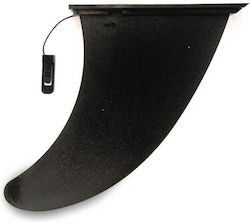
The fins help with straight-line tracking and the stability of the board. Larger fins with a wide base and long front edge offer greater stability and straighter tracking than smaller fins. The latter are preferred more for maneuvering.
They are placed on the underside of the board, in the fin slot, and are secured with a nut and bolt. Usually, you can remove them and store them after your ride. On inflatable boards, they are removed and attached more easily when the SUP is inflated. You will find them in the following forms:

SUP & Safety
Safety, as in any other water sport, is of utmost importance, especially for beginners but also for more advanced riders who dare to use it in more demanding conditions (currents, waves, long-distance routes, etc.). That is why you should not forget to get the following essentials:
- Leash (ankle retention strap): Very important, as it keeps the board attached to the rider's foot, so it is not carried away by the wave or the wind. You can choose between a coiled leash, spiral-shaped, for flat water, or a straight leash if you prefer surf and riding in waves.
- Life jacket: Enjoy SUP with safety by wearing a buoyancy life jacket. It is recommended for the safety of beginners and experienced users and can prove lifesaving in the event of unexpected weather conditions.
- Whistle: In case of emergency or a fall far from shore, a whistle will be very useful so you can call for help immediately.
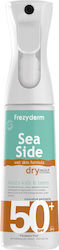
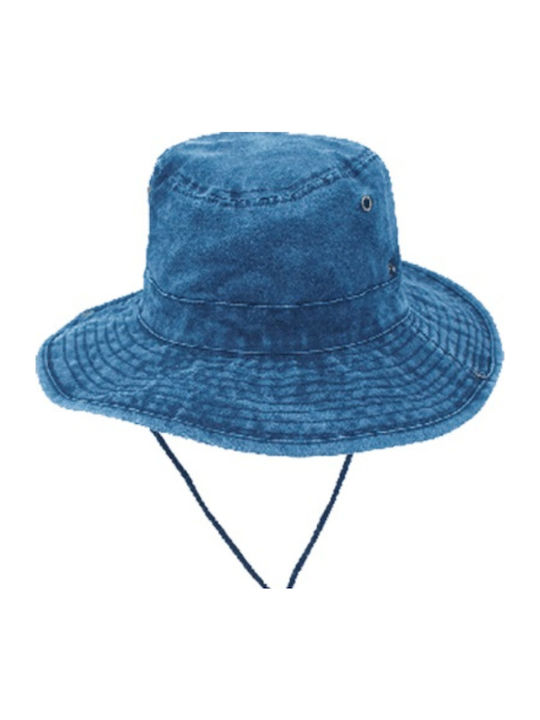
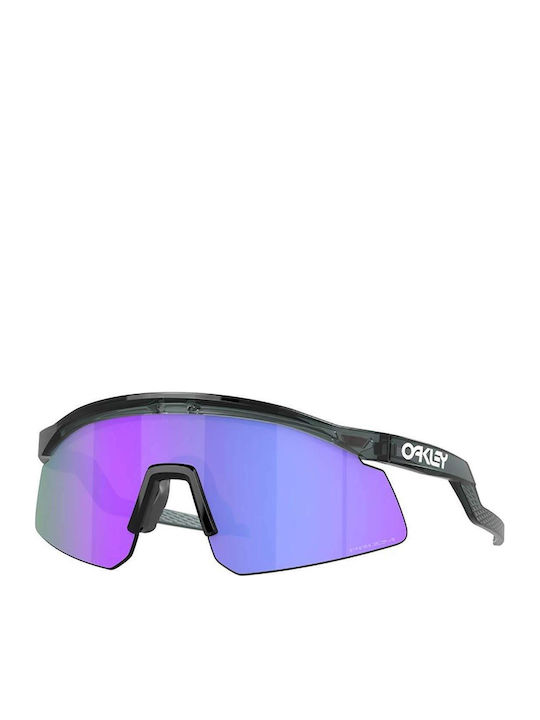
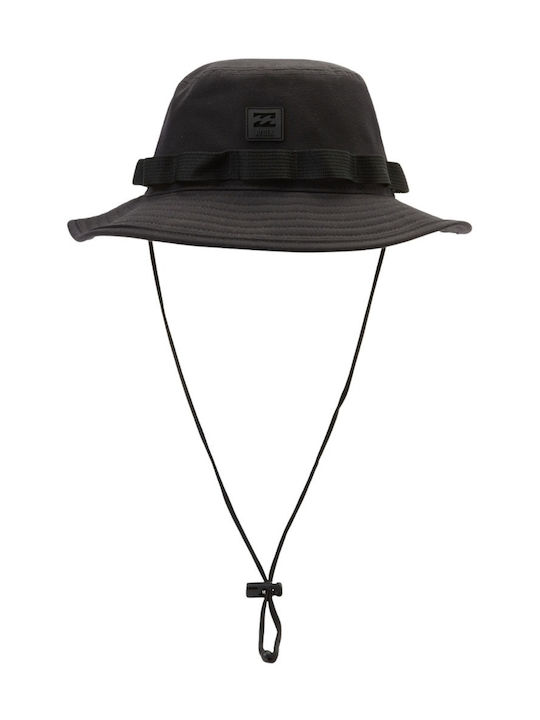
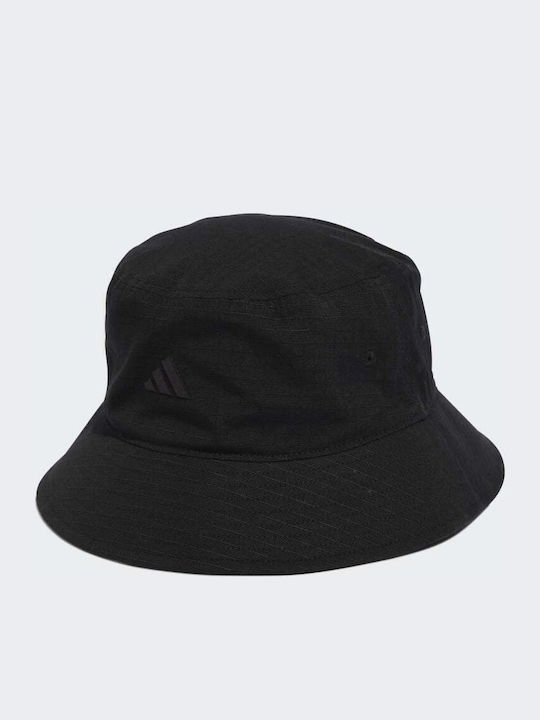
- Sun protection: The sun risk is high on the water and often lurks without us even realizing it. That is why it is a good idea to always use a hat, sunglasses, water-resistant sunscreen, as well as special clothing such as sun-protective shirts or special water sports suits with UV protection.
Top choices to always stay safe:





Tips for SUP equipment
Finally, most inflatable SUP boards come with the necessary equipment to use it: paddle, ankle leash, storage bag and manual air pump. Here, we recommend some complementary items that have proven useful to many riders:
- Electric Pump: If you want to use the inflatable SUP board often, you may find a SUP electric pump useful, for faster and easier inflation.
- Phone Case: For photos, as well as communication in case you need it, with a waterproof phone case you can safely take your phone with you, in your bag or pocket.
- Board Seat: Many riders use seats that easily attach to the SUP, turning it into a kayak for seated paddling.
Find all the essential accessories for SUP here:



Relevant Articles
Choosing the right snowboard for your snow adventures

Ways to Wear a Choker & Its Purpose
Buying Guide for Action Cameras
Be the first to leave a comment!