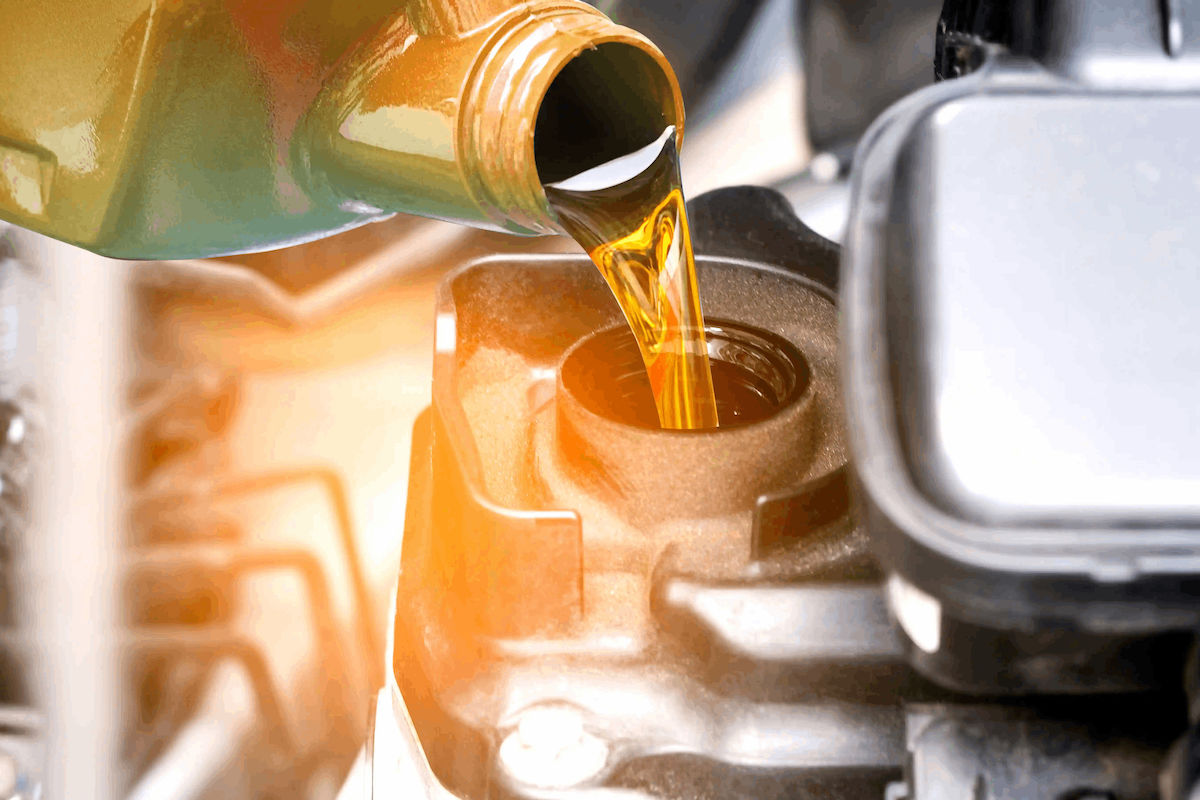

Чудиш ли се какво масло да налееш в колата?
Така че, когато е време да смените маслото на автомобила си, е необходимо да знаете кое масло е подходящо за двигателя ви!
Това стана още по-сложно през последните години, тъй като съвременните двигатели стават по-малки и по-ефективни, което води до това, че производителите задават строги спецификации за маслата, които използват. Поради тази причина сега са създадени напълно синтетични автомобилни масла, които са проектирани да издържат на високи налягания и да отговарят на нуждите от нисък разход на гориво.
Типът автомобил, който шофирате, например, ако притежавате спортен или европейски автомобил, тогава е много вероятно производителят да препоръча използването на напълно синтетично моторно масло. От друга страна, ако притежавате по-стар автомобил, производителят ще препоръча минерални масла.
Освен това е особено важно да знаете фабричните спецификации, препоръчани от производителя на вашето превозно средство, като типа и вискозитета на маслото.
Можете лесно да намерите тези важни спецификации в ръководството на вашия автомобил (ръководство на собственика на превозното средство).
Какво е вискозитет в маслата и какво е неговото значение?
Вискозитетът в маслата е единица за измерване на плътността, която измерва „леснотата на потока“ на течност. За да разберем по-добре какво точно е вискозитетът, нека разгледаме един пример. Например, водата е доста тънка течност, която тече лесно, и поради тази причина можем да кажем, че има нисък вискозитет.
В противоположния случай, ако течността е например мед, тогава говорим за гъста течност, която тече много по-бавно. Следователно, можем лесно да опишем меда като течност с висок вискозитет, когато е при леко висока температура.
Както разбирате, автомобилните масла се държат точно по същия начин. Със сигурност сте забелязали, че когато отидете в сервиза за смяна на масло, механикът първо пуска двигателя за 1-2 минути, преди да отстрани използваните моторни масла, за да бъдат заменени.
Но какво означават числата върху опаковките на масла като 5W-40?
Числата за плътност, както правилно се наричат, показват колко гъст е един лубрикант, както споменахме по-горе. Те се представят с 2 числа, където първото с буквата „W“ (Winter) се отнася до как тече маслото, когато е студено, а второто до как тече маслото, когато е горещо при работни условия на двигателя.
Кой тип масло да избереш?
Ще забележиш, че на пазара има много автомобилни масла и със сигурност ще се чудиш кое е подходящото за твоето превозно средство. Нека започнем с трите основни типа масло, като минералното, полусинтетичното и напълно синтетичното.
Маслата минерални са масла, които не са претърпели голяма обработка, което означава, че тези масла струват по-малко в сравнение с останалите. Разбира се, защитата, ефективността и икономията на гориво са значително по-ниски.
Вторият тип масла са полусинтетичните масла , които са смес от минерални и синтетични масла, така че да предлагат допълнителна ефективност, но на по-ниска цена в сравнение със синтетичните масла.
Накрая, напълно синтетичните масла са сравнително най-скъпите масла, тъй като преминават през най-голяма обработка, но предлагат по-добра защита на двигателя, както и по-голяма икономия на гориво.
Спецификации - Международни стандарти
ACEA: Стандарт от европейските автомобилни производители.
- A/B: За бензинови двигатели и леки дизелови двигатели. (напр. A3/B4)
- C: За двигатели с филтри за твърди частици (DPF). (напр. C3)
- E: За тежкотоварни превозни средства (камиони).
API: Американски стандарт, използван по целия свят.
- S: За бензинови двигатели (напр. SN, SM)
- C: За дизелови двигатели (напр. CK-4, CJ-4)
ILSAC: Стандарт от американски и японски производители.
- Той е основно за бензинови двигатели и се отнася до икономията на гориво и емисиите на вредни вещества. Примери: GF-5, GF-6
Свързани статии
Ръководство за покупка: Каква аудиосистема да сложите в колата си?
Снежни вериги или вериги за сняг? Какви вериги за сняг да взема?

Какви гуми да сложа на колата си? Ръководство за покупка на гуми
бъдете първият, който остави коментар