


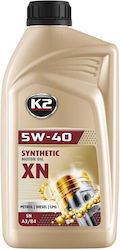


K2 Συνθετικό Λάδι 5W-30 5lt
35,95 € 7,19 €/lt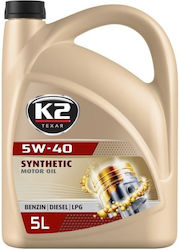
K2 Texar Λάδι 20W-50 1lt
6,50 € 6,5 €/ltK2 Texar Λάδι 15W-40 1lt
6,50 € 6,5 €/lt
Φίλτρα
ΚαθαρισμόςΕπίλεξε Προδιαγραφή
Επίλεξε Πρότυπο- C3: Λιπαντικά Low SAPS υψηλών επιδόσεων, σχεδιασμένα για κινητήρες με συστήματα μείωσης εκπομπών όπως DPF και SCR, παρέχοντας προστασία από φθορές.
- A3/B4: Λιπαντικά υψηλών επιδόσεων για κινητήρες βενζίνης και πετρελαίου, ειδικά για αυτούς που λειτουργούν υπό έντονες συνθήκες. Παρέχει μεγάλη προστασία από φθορά και οξείδωση.
- C2: Λιπαντικά Low SAPS χαμηλού ιξώδους που προσφέρουν προστασία στο σύστημα εξάτμισης και συμβάλλουν στη μείωση της κατανάλωσης καυσίμου, ενώ είναι κατάλληλη για κινητήρες με DPF και καταλύτες.
- A5/B5: Λιπαντικά χαμηλού ιξώδους για κινητήρες βενζίνης και πετρελαίου. Στοχεύει στην εξοικονόμηση καυσίμου, ενώ παραμένει κατάλληλη για κινητήρες υψηλών επιδόσεων με εκτεταμένα διαστήματα αλλαγής λαδιού.
- C4: Λιπαντικά Low SAPS με υψηλή απόδοση, κατάλληλα για κινητήρες με DPF και καταλύτες. Παρέχει μεγάλη αντοχή στις συνθήκες λειτουργίας και συμβάλλει στη μείωση των εκπομπών.
- C5: Λιπαντικά Low SAPS χαμηλού ιξώδους, σχεδιασμένα για κινητήρες με αυστηρές απαιτήσεις εξοικονόμησης καυσίμου. Είναι κατάλληλα για κινητήρες με συστήματα μείωσης εκπομπών, όπως DPF.
- A3/B3: Λιπαντικά υψηλών επιδόσεων για κινητήρες βενζίνης και πετρελαίου που απαιτούν εκτεταμένα διαστήματα αλλαγής λαδιού και εξασφαλίζουν μεγάλη προστασία από φθορά και λάσπη.
- A1/B1: Λιπαντικά χαμηλού ιξώδους, σχεδιασμένα για κινητήρες βενζίνης και πετρελαίου. Προσφέρουν χαμηλή κατανάλωση καυσίμου, αλλά δεν είναι κατάλληλα για κινητήρες υψηλών απαιτήσεων ή έντονων συνθηκών λειτουργίας.
- C6: Λιπαντικά Low SAPS υψηλών επιδόσεων που προσφέρουν ανώτερη προστασία σε κινητήρες με DPF και SCR, ενώ είναι ιδανικά για σύγχρονους κινητήρες που απαιτούν εξοικονόμηση καυσίμου και αντοχή.
- E9: Λιπαντικά Low SAPS σχεδιασμένα για κινητήρες βαρέων οχημάτων με συστήματα DPF. Παρέχουν υψηλή αντοχή στη φθορά και εξαιρετική καθαρότητα κινητήρα.
- E6: Λιπαντικά Low SAPS σχεδιασμένα για κινητήρες βαρέων οχημάτων με συστήματα DPF και SCR. Παρέχουν υψηλή αντοχή στη φθορά και εξαιρετική καθαρότητα κινητήρα.
- C1: Λιπαντικά χαμηλής περιεκτικότητας σε τέφρα (Low SAPS). Κατάλληλα για κινητήρες με φίλτρα σωματιδίων (DPF) και καταλύτες, προσφέροντας μειωμένες εκπομπές και μεγάλη προστασία του συστήματος εξάτμισης.
- E4: Λιπαντικά υψηλών επιδόσεων για πετρελαιοκινητήρες βαρέων οχημάτων. Είναι κατάλληλα για κινητήρες με υψηλές απαιτήσεις και εκτεταμένα διαστήματα αλλαγής λαδιού, χωρίς τη χρήση DPF.
- C3: Λιπαντικά Low SAPS υψηλών επιδόσεων, σχεδιασμένα για κινητήρες με συστήματα μείωσης εκπομπών όπως DPF και SCR, παρέχοντας προστασία από φθορές.
- A3/B4: Λιπαντικά υψηλών επιδόσεων για κινητήρες βενζίνης και πετρελαίου, ειδικά για αυτούς που λειτουργούν υπό έντονες συνθήκες. Παρέχει μεγάλη προστασία από φθορά και οξείδωση.
- C2: Λιπαντικά Low SAPS χαμηλού ιξώδους που προσφέρουν προστασία στο σύστημα εξάτμισης και συμβάλλουν στη μείωση της κατανάλωσης καυσίμου, ενώ είναι κατάλληλη για κινητήρες με DPF και καταλύτες.
- A5/B5: Λιπαντικά χαμηλού ιξώδους για κινητήρες βενζίνης και πετρελαίου. Στοχεύει στην εξοικονόμηση καυσίμου, ενώ παραμένει κατάλληλη για κινητήρες υψηλών επιδόσεων με εκτεταμένα διαστήματα αλλαγής λαδιού.
- C4: Λιπαντικά Low SAPS με υψηλή απόδοση, κατάλληλα για κινητήρες με DPF και καταλύτες. Παρέχει μεγάλη αντοχή στις συνθήκες λειτουργίας και συμβάλλει στη μείωση των εκπομπών.
- C5: Λιπαντικά Low SAPS χαμηλού ιξώδους, σχεδιασμένα για κινητήρες με αυστηρές απαιτήσεις εξοικονόμησης καυσίμου. Είναι κατάλληλα για κινητήρες με συστήματα μείωσης εκπομπών, όπως DPF.
- A3/B3: Λιπαντικά υψηλών επιδόσεων για κινητήρες βενζίνης και πετρελαίου που απαιτούν εκτεταμένα διαστήματα αλλαγής λαδιού και εξασφαλίζουν μεγάλη προστασία από φθορά και λάσπη.
- A1/B1: Λιπαντικά χαμηλού ιξώδους, σχεδιασμένα για κινητήρες βενζίνης και πετρελαίου. Προσφέρουν χαμηλή κατανάλωση καυσίμου, αλλά δεν είναι κατάλληλα για κινητήρες υψηλών απαιτήσεων ή έντονων συνθηκών λειτουργίας.
- C6: Λιπαντικά Low SAPS υψηλών επιδόσεων που προσφέρουν ανώτερη προστασία σε κινητήρες με DPF και SCR, ενώ είναι ιδανικά για σύγχρονους κινητήρες που απαιτούν εξοικονόμηση καυσίμου και αντοχή.
- E9: Λιπαντικά Low SAPS σχεδιασμένα για κινητήρες βαρέων οχημάτων με συστήματα DPF. Παρέχουν υψηλή αντοχή στη φθορά και εξαιρετική καθαρότητα κινητήρα.
- E6: Λιπαντικά Low SAPS σχεδιασμένα για κινητήρες βαρέων οχημάτων με συστήματα DPF και SCR. Παρέχουν υψηλή αντοχή στη φθορά και εξαιρετική καθαρότητα κινητήρα.
- C1: Λιπαντικά χαμηλής περιεκτικότητας σε τέφρα (Low SAPS). Κατάλληλα για κινητήρες με φίλτρα σωματιδίων (DPF) και καταλύτες, προσφέροντας μειωμένες εκπομπές και μεγάλη προστασία του συστήματος εξάτμισης.
- E4: Λιπαντικά υψηλών επιδόσεων για πετρελαιοκινητήρες βαρέων οχημάτων. Είναι κατάλληλα για κινητήρες με υψηλές απαιτήσεις και εκτεταμένα διαστήματα αλλαγής λαδιού, χωρίς τη χρήση DPF.
Επίλεξε Πρότυπο- SP: Η πιο πρόσφατη προδιαγραφή (2020 και μετά). Παρέχει υψηλότερη απόδοση, προστασία από LSPI, βελτιωμένη εξοικονόμηση καυσίμου και μεγαλύτερη διάρκεια ζωής των καταλυτών.
- SL: Εισήχθη το 2001 και προσφέρει εξαιρετική απόδοση για σύγχρονους κινητήρες. Είναι ιδανική για οχήματα με χαμηλή κατανάλωση λαδιού.
- SN: Διαθέσιμη από το 2010, σχεδιάστηκε για σύγχρονους κινητήρες, συμπεριλαμβανομένων αυτών με turbo και συστήματα εκπομπών καυσαερίων.
- SN+: Προδιαγραφή που προσθέτει βελτιώσεις στην υπάρχουσα SN, προσφέροντας επιπλέον προστασία για κινητήρες turbo από το φαινόμενο LSPI (Low-Speed Pre-Ignition), που μπορεί να προκαλέσει σοβαρές βλάβες.
- CF: Αφορά πετρελαιοκινητήρες που λειτουργούν σε συνθήκες υψηλών φορτίων και θερμοκρασιών. Εστιάζει στην προστασία από επικαθίσεις και τη διάβρωση.
- SJ: Εισήχθη το 1997 και είναι κατάλληλη για κινητήρες με ελεγχόμενες εκπομπές ρύπων. Παρέχει προστασία που ανταποκρίνεται στις ανάγκες σύγχρονων οχημάτων.
- CI-4: Κατάλληλη για κινητήρες Euro IV που χρησιμοποιούν συστήματα ανακυκλοφορίας καυσαερίων (EGR). Παρέχει βελτιωμένη προστασία από την οξείδωση και τη φθορά.
- SG: Εφαρμόζεται σε κινητήρες που κατασκευάστηκαν την περίοδο 1989-1993. Εισάγει αυξημένη αντοχή στην οξείδωση και είναι συμβατή με όλες τις προηγούμενες προδιαγραφές.
- SF: Σχεδιασμένη για κινητήρες της περιόδου 1980-1988. Προσφέρει καλύτερη προστασία από φθορά, λάσπη και εναποθέσεις.
- CJ-4: Σχεδιάστηκε για κινητήρες εξοπλισμένους με φίλτρα σωματιδίων (DPF) και συστήματα SCR. Εστιάζει στη μείωση της φθοράς και της συσσώρευσης καταλοίπων.
- CK-4: Επικεντρώνεται στη μείωση της φθοράς, την οξείδωση και την προστασία του φίλτρου σωματιδίων (DPF). Παρέχει υψηλή απόδοση και αυξημένη διάρκεια ζωής λιπαντικών.
- SH: Σχεδιάστηκε για κινητήρες παραγωγής 1994-1996. Περιλαμβάνει περισσότερες δοκιμές απόδοσης, διασφαλίζοντας υψηλότερα επίπεδα προστασίας και συμβατότητας.
- CG-4: Συμβατή με κινητήρες που πληρούν τα πρότυπα εκπομπών Euro I και Euro II. Παρέχει προστασία σε κινητήρες υψηλής απόδοσης με εκτεταμένα διαστήματα αλλαγής λαδιού.
- CH-4: Καλύπτει τις ανάγκες κινητήρων που συμμορφώνονται με τα πρότυπα Euro III και χρησιμοποιούν καύσιμα χαμηλής περιεκτικότητας σε θείο. Προσφέρει αυξημένη προστασία από επικαθίσεις και φθορά.
- SA: Λιπαντικά που προορίζονται για παλαιότερους πετρελαιοκινητήρες, οι οποίοι λειτουργούν σε συνθήκες χαμηλών απαιτήσεων. Παρέχουν βασική προστασία κατά της φθοράς και της οξείδωσης.
- CD: Εισήχθη το 1955 για κινητήρες εξοπλισμένους με υπερσυμπιεστή. Παρέχει ενισχυμένη προστασία έναντι φθοράς και επικαθίσεων, υποστηρίζοντας κινητήρες υψηλότερης απόδοσης.
- SP: Η πιο πρόσφατη προδιαγραφή (2020 και μετά). Παρέχει υψηλότερη απόδοση, προστασία από LSPI, βελτιωμένη εξοικονόμηση καυσίμου και μεγαλύτερη διάρκεια ζωής των καταλυτών.
- SL: Εισήχθη το 2001 και προσφέρει εξαιρετική απόδοση για σύγχρονους κινητήρες. Είναι ιδανική για οχήματα με χαμηλή κατανάλωση λαδιού.
- SN: Διαθέσιμη από το 2010, σχεδιάστηκε για σύγχρονους κινητήρες, συμπεριλαμβανομένων αυτών με turbo και συστήματα εκπομπών καυσαερίων.
- SN+: Προδιαγραφή που προσθέτει βελτιώσεις στην υπάρχουσα SN, προσφέροντας επιπλέον προστασία για κινητήρες turbo από το φαινόμενο LSPI (Low-Speed Pre-Ignition), που μπορεί να προκαλέσει σοβαρές βλάβες.
- CF: Αφορά πετρελαιοκινητήρες που λειτουργούν σε συνθήκες υψηλών φορτίων και θερμοκρασιών. Εστιάζει στην προστασία από επικαθίσεις και τη διάβρωση.
- SJ: Εισήχθη το 1997 και είναι κατάλληλη για κινητήρες με ελεγχόμενες εκπομπές ρύπων. Παρέχει προστασία που ανταποκρίνεται στις ανάγκες σύγχρονων οχημάτων.
- CI-4: Κατάλληλη για κινητήρες Euro IV που χρησιμοποιούν συστήματα ανακυκλοφορίας καυσαερίων (EGR). Παρέχει βελτιωμένη προστασία από την οξείδωση και τη φθορά.
- SG: Εφαρμόζεται σε κινητήρες που κατασκευάστηκαν την περίοδο 1989-1993. Εισάγει αυξημένη αντοχή στην οξείδωση και είναι συμβατή με όλες τις προηγούμενες προδιαγραφές.
- SF: Σχεδιασμένη για κινητήρες της περιόδου 1980-1988. Προσφέρει καλύτερη προστασία από φθορά, λάσπη και εναποθέσεις.
- CJ-4: Σχεδιάστηκε για κινητήρες εξοπλισμένους με φίλτρα σωματιδίων (DPF) και συστήματα SCR. Εστιάζει στη μείωση της φθοράς και της συσσώρευσης καταλοίπων.
- CK-4: Επικεντρώνεται στη μείωση της φθοράς, την οξείδωση και την προστασία του φίλτρου σωματιδίων (DPF). Παρέχει υψηλή απόδοση και αυξημένη διάρκεια ζωής λιπαντικών.
- SH: Σχεδιάστηκε για κινητήρες παραγωγής 1994-1996. Περιλαμβάνει περισσότερες δοκιμές απόδοσης, διασφαλίζοντας υψηλότερα επίπεδα προστασίας και συμβατότητας.
- CG-4: Συμβατή με κινητήρες που πληρούν τα πρότυπα εκπομπών Euro I και Euro II. Παρέχει προστασία σε κινητήρες υψηλής απόδοσης με εκτεταμένα διαστήματα αλλαγής λαδιού.
- CH-4: Καλύπτει τις ανάγκες κινητήρων που συμμορφώνονται με τα πρότυπα Euro III και χρησιμοποιούν καύσιμα χαμηλής περιεκτικότητας σε θείο. Προσφέρει αυξημένη προστασία από επικαθίσεις και φθορά.
- SA: Λιπαντικά που προορίζονται για παλαιότερους πετρελαιοκινητήρες, οι οποίοι λειτουργούν σε συνθήκες χαμηλών απαιτήσεων. Παρέχουν βασική προστασία κατά της φθοράς και της οξείδωσης.
- CD: Εισήχθη το 1955 για κινητήρες εξοπλισμένους με υπερσυμπιεστή. Παρέχει ενισχυμένη προστασία έναντι φθοράς και επικαθίσεων, υποστηρίζοντας κινητήρες υψηλότερης απόδοσης.
Επίλεξε Πρότυπο- GF-6A: Εγκρίθηκε το 2020, προσφέροντας αυξημένη προστασία για κινητήρες βενζίνης, με έμφαση στην προστασία από τη φθορά και τις εναποθέσεις. Είναι κατάλληλη για κινητήρες που απαιτούν υψηλές επιδόσεις και μειωμένη κατανάλωση καυσίμου.
- GF-4: Εγκρίθηκε το 2008, προσφέροντας σημαντικές βελτιώσεις στην προστασία των κινητήρων και στην καθαρότητα τους, ενώ περιλάμβανε νέα κριτήρια για την απόδοση καυσίμου και τη μείωση των εκπομπών, καλύπτοντας τις αυστηρότερες προδιαγραφές για τη ρύπανση.
- GF-5: Εισήχθη το 2010 και αφορά λιπαντικά υψηλής απόδοσης για κινητήρες βενζίνης. Παρέχει βελτιωμένη προστασία από φθορά, ενώ συμβάλλει στη μείωση των εκπομπών και στη μεγαλύτερη διάρκεια ζωής του καταλύτη.
- GF-3: Εγκρίθηκε το 2004 και εισήγαγε αυξημένες απαιτήσεις για προστασία από την οξείδωση και την εναπόθεση λαδιού, ενώ συνέβαλε στη βελτίωση της οικονομίας καυσίμου και την προστασία του καταλύτη.
- GF-6B: Εγκρίθηκε το 2020, για κινητήρες με μεγαλύτερες απαιτήσεις σε καύσιμο και προστασία από τις εναποθέσεις, ενώ παράλληλα εξασφαλίζει μειωμένη κατανάλωση καυσίμου και συμβατότητα με τα πιο σύγχρονα συστήματα εκπομπών ρύπων.
- GF-6A: Εγκρίθηκε το 2020, προσφέροντας αυξημένη προστασία για κινητήρες βενζίνης, με έμφαση στην προστασία από τη φθορά και τις εναποθέσεις. Είναι κατάλληλη για κινητήρες που απαιτούν υψηλές επιδόσεις και μειωμένη κατανάλωση καυσίμου.
- GF-4: Εγκρίθηκε το 2008, προσφέροντας σημαντικές βελτιώσεις στην προστασία των κινητήρων και στην καθαρότητα τους, ενώ περιλάμβανε νέα κριτήρια για την απόδοση καυσίμου και τη μείωση των εκπομπών, καλύπτοντας τις αυστηρότερες προδιαγραφές για τη ρύπανση.
- GF-5: Εισήχθη το 2010 και αφορά λιπαντικά υψηλής απόδοσης για κινητήρες βενζίνης. Παρέχει βελτιωμένη προστασία από φθορά, ενώ συμβάλλει στη μείωση των εκπομπών και στη μεγαλύτερη διάρκεια ζωής του καταλύτη.
- GF-3: Εγκρίθηκε το 2004 και εισήγαγε αυξημένες απαιτήσεις για προστασία από την οξείδωση και την εναπόθεση λαδιού, ενώ συνέβαλε στη βελτίωση της οικονομίας καυσίμου και την προστασία του καταλύτη.
- GF-6B: Εγκρίθηκε το 2020, για κινητήρες με μεγαλύτερες απαιτήσεις σε καύσιμο και προστασία από τις εναποθέσεις, ενώ παράλληλα εξασφαλίζει μειωμένη κατανάλωση καυσίμου και συμβατότητα με τα πιο σύγχρονα συστήματα εκπομπών ρύπων.
Επίλεξε Πρότυπο- Dexos1 Gen 2: Η Dexos1 Gen 2 αντικατέστησε την προηγούμενη γενιά και εισήχθη το 2017. Αυτή η προδιαγραφή είναι πιο αυστηρή και περιλαμβάνει απαιτήσεις για καλύτερη προστασία από την οξείδωση, τις εναποθέσεις και την φθορά.
- Dexos2: Η Dexos2 είναι η προδιαγραφή λιπαντικών για πετρελαιοκινητήρες της GM και αφορά κυρίως οχήματα που απαιτούν υψηλή απόδοση σε δύσκολες συνθήκες.
- DexosD: Η προδιαγραφή DexosD αφορά λιπαντικά για πετρελαιοκινητήρες που πληρούν τις αυστηρές απαιτήσεις των σύγχρονων κινητήρων diesel της General Motors.
- GM-LL-A-025: Η προδιαγραφή GM-LL-A-025 αφορά λιπαντικά για κινητήρες βενζίνης που χρησιμοποιούνται σε οχήματα της General Motors.
- GM-LL-B-025: Η προδιαγραφή GM-LL-B-025 αφορά λιπαντικά για πετρελαιοκινητήρες που χρησιμοποιούνται σε οχήματα της General Motors.
- Dexos1 Gen 2: Η Dexos1 Gen 2 αντικατέστησε την προηγούμενη γενιά και εισήχθη το 2017. Αυτή η προδιαγραφή είναι πιο αυστηρή και περιλαμβάνει απαιτήσεις για καλύτερη προστασία από την οξείδωση, τις εναποθέσεις και την φθορά.
- Dexos2: Η Dexos2 είναι η προδιαγραφή λιπαντικών για πετρελαιοκινητήρες της GM και αφορά κυρίως οχήματα που απαιτούν υψηλή απόδοση σε δύσκολες συνθήκες.
- DexosD: Η προδιαγραφή DexosD αφορά λιπαντικά για πετρελαιοκινητήρες που πληρούν τις αυστηρές απαιτήσεις των σύγχρονων κινητήρων diesel της General Motors.
- GM-LL-A-025: Η προδιαγραφή GM-LL-A-025 αφορά λιπαντικά για κινητήρες βενζίνης που χρησιμοποιούνται σε οχήματα της General Motors.
- GM-LL-B-025: Η προδιαγραφή GM-LL-B-025 αφορά λιπαντικά για πετρελαιοκινητήρες που χρησιμοποιούνται σε οχήματα της General Motors.
- Φανερώνει πόσο παχύρευστο είναι ένα λιπαντικό. Καθορίζεται απο 2 αριθμούς. Ο πρώτος με το γράμμα «W», (Winter), αφορά το πώς ρέει το λάδι όταν είναι κρύο. Ο δεύτερος αφορά το πώς ρέει το λάδι ζεστό σε συνθήκες λειτουργίας του κινητήρα.
- Ημισυνθετικά: Συνδυασμός συνθετικών και ορυκτών λαδιών. Παρέχουν καλύτερη απόδοση από τα παραδοσιακά ορυκτά λάδια, ενώ είναι πιο οικονομικά από τα συνθετικά. Ιδανικά για οχήματα μεσαίας κατηγορίας.
- Συνθετικά: Λάδια που δημιουργούνται από χημικές ενώσεις, με στόχο να παρέχουν υψηλή απόδοση και προστασία στον κινητήρα. Έχουν ομοιογενή σύσταση και μεγαλύτερη αντοχή στις ακραίες θερμοκρασίες. Ιδανικά για σύγχρονους κινητήρες υψηλής απόδοσης.
- Αγορά μέσω Skroutz: Προϊόντα που είναι διαθέσιμα για αγορά απευθείας μέσα από το Skroutz.