O specificație japoneză care se referă în mod special la lubrifianții pentru motociclete și evaluează caracteristici importante pentru funcționarea corectă a motorului și a ambreiajului.
FB: Oferă o ardere mai curată și fum redus, protejând în același timp și motorul.
FC: Asigură o ardere curată și mai puține depuneri, potrivit pentru motociclete care necesită performanță ridicată.
FD: Potrivit pentru motoare în doi timpi, asigură o ardere curată, fum redus și protecție excelentă a motorului. Ideal pentru motociclete în doi timpi de înaltă performanță.
MA: Potrivit pentru motociclete cu patru timpi cu ambreiaj umed. Protejează motorul și asigură funcționarea corectă a acestuia.
JASO MA2: Versiune îmbunătățită a MA, cu protecție mai strictă a motorului și aderență maximă la ambreiajul umed.
MB: Potrivit pentru scutere și motociclete fără ambreiaj umed. Oferă frecare redusă și lubrifiere bună.
Specificație americană care clasifică lubrifianții în funcție de nivelul de performanță și protecție pe care îl oferă motorului.
SG: Potrivit pentru motoare pe benzină mai vechi (înainte de 1993), oferind protecție de bază împotriva uzurii și oxidării.
SH: Potrivit pentru motoare pe benzină mai vechi (înainte de 1996), asigurând protecție de bază și ungere bună.
SJ: Potrivit pentru motoare pe benzină fabricate înainte de 2001. Protejează motoarele împotriva uzurii și a reziduurilor.
SL: Oferă protecție fiabilă a motorului, precum și ardere curată la motoarele pe benzină de generație anterioară.
PM: Compatibilă cu motoare pe benzină, oferă o bună protecție împotriva uzurii, precum și o stabilitate termică ridicată.
SN: Potrivit pentru motoare pe benzină moderne, în patru timpi. Oferă protecție ridicată împotriva uzurii, reduce depunerile în motor și asigură funcționarea curată și eficientă.
SN+: Potrivit pentru motoare pe benzină moderne. Oferă protecție împotriva uzurii, reduce depunerile și asigură o siguranță sporită pentru motoarele cu sisteme moderne de ardere.
ES: Cea mai modernă specificație pentru motoarele pe benzină. Oferă protecție sporită împotriva uzurii, reduce acumularea de depuneri și protejează împotriva LSPI (aprindere prematură la turații joase) la motoarele moderne de înaltă performanță.
TC: Potrivit pentru motoare în doi timpi (2T), asigură o bună lubrifiere și protecție a motorului împotriva uzurii și supraîncălzirii.
TC+: Versiune îmbunătățită a TC, cu protecție și mai bună a motorului și formare redusă de reziduuri. Ideală pentru motoarele moderne în doi timpi, de înaltă performanță.
Standard internațional care stabilește cerințe și caracteristici specifice pentru lubrifianți, ajutând la identificarea calității și a utilizării acestora.
ISO-L-EGB: Specificație de bază pentru motoare în doi timpi. Oferă lubrifiere și protecție adecvată motorului, dar nu limitează semnificativ fumul sau depunerile. Ideal pentru utilizare zilnică la motoare simple în doi timpi (2T).
ISO-L-EGC: Specificație îmbunătățită față de ISO-L-EGB. Oferă o ardere mai curată, depuneri reduse de carbon și o protecție mai bună a motorului, fiind potrivită pentru utilizare mai solicitantă sau pentru motociclete moderne cu două timpi.
ISO-L-EGD: Asigură o ardere extrem de curată, fum minim, protecție ridicată a motorului și durată de viață extinsă. Ideal pentru motociclete 2T de înaltă performanță sau condiții de condus solicitante.
Arată cât de vâscos este un lubrifiant. Este determinat de 2 numere. Primul, urmat de litera „W” (Winter), indică modul în care curge uleiul când este rece. Al doilea indică modul în care curge uleiul când este cald, în condiții de funcționare a motorului.
Semisintetice: Combinație de uleiuri sintetice și minerale. Oferă performanțe mai bune decât uleiurile minerale tradiționale, fiind totodată mai accesibile decât cele sintetice. Ideale pentru vehicule din clasa medie.
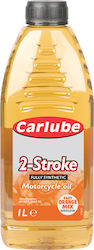
Sintetic: Uleiuri create din compuși chimici, concepute pentru a oferi performanță ridicată și protecție motorului. Au o compoziție omogenă și rezistență sporită la temperaturi extreme. Ideale pentru motoarele moderne, de înaltă performanță.
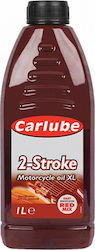
Uleiuri minerale: Uleiuri care provin din petrol brut natural, prin rafinare și purificare. Oferă lubrifiere fiabilă și protecție a motorului, cu performanțe bune în condiții normale de funcționare. Ideale pentru utilizare zilnică și motoare mai vechi.