Φίλτρα
- LED: Κατάλληλος για λαμπτήρες LED που φέρουν την ένδειξη "Dimmable". Εξασφαλίζει ομαλή ρύθμιση χωρίς τρεμόπαιγμα.
- Universal: Αυτόματη αναγνώριση τύπου λάμπας (LED ή Αλογόνου). Ρυθμίζει την ένταση με τη μέγιστη δυνατή ασφάλεια και συμβατότητα.
- Ταινίες LED: Επιλέξτε το αν θέλετε να ρυθμίζετε την ένταση ή το χρώμα σε ταινίες LED 12V ή 24V. Συνήθως απαιτείται και η χρήση τροφοδοτικού.
- Κλασικός: Σχεδιασμένος για παραδοσιακές λάμπες πυρακτώσεως ή αλογόνου. Δεν υποστηρίζει τη λειτουργία των περισσότερων λαμπτήρων LED.
- Φθορισμού: Ειδικός ρυθμιστής σχεδιασμένος αποκλειστικά για λαμπτήρες φθορισμού που λειτουργούν με ανάλογο ηλεκτρονικό πηνίο (ballast).
- Αφής: Σύγχρονος έλεγχος της έντασης με ελαφρύ άγγιγμα της επιφάνειας του διακόπτη, χωρίς τη χρήση μηχανικών πλήκτρων.
- Μπουτόν: Λειτουργία μέσω πίεσης (push). Συχνά χρησιμοποιείται σε έξυπνες εγκαταστάσεις ή για τον έλεγχο του φωτισμού από περισσότερα από ένα σημεία.
- Περιστροφικός: Ρύθμιση της έντασης μέσω του κλασικού περιστρεφόμενου διακόπτη (ροδέλα) για ακρίβεια στον φωτισμό.

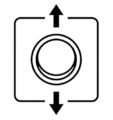

- Επιτοίχιος: Εξωτερική τοποθέτηση απευθείας πάνω στην επιφάνεια του τοίχου, χωρίς την ανάγκη για προϋπάρχον εσωτερικό κουτί εγκατάστασης.
- Χωνευτός: Η τυπική εγκατάσταση όπου ο μηχανισμός τοποθετείται μέσα σε κουτί στον τοίχο.
- Πλήρης: Περιλαμβάνεται ο μηχανισμός, η εμπρόσθια όψη και το διακοσμητικό πλαίσιο του διακόπτη
- Μηχανισμός: Περιλαμβάνεται μόνο ο μηχανισμός του διακόπτη
- Μετώπη: Περιλαμβάνεται ο μηχανισμός και η εμπρόσθια όψη του διακόπτη


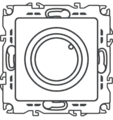
- Aller Retour: Σας επιτρέπει να ελέγχετε το ίδιο φωτιστικό από δύο διαφορετικά σημεία του χώρου. Ιδανικό για διαδρόμους, σκάλες ή μεγάλα δωμάτια όπου θέλετε να ανάβετε το φως από τη μία πλευρά και να το σβήνετε (ή να το ρυθμίζετε) από την άλλη.
- Φωτιζόμενος: Διαθέτει μια διακριτική φωτεινή ένδειξη πάνω στο σώμα του διακόπτη.
- RF: Ελέγχετε το φως ασύρματα με ένα τηλεχειριστήριο,ή απ'ευθείας απο το control panel χωρίς να χρειάζεστε Internet ή εφαρμογές. Είναι η πιο απλή και εύκολη λύση
- Wi-Fi: Συνδέεται απευθείας στο router του σπιτιού σας. Σας επιτρέπει να χειρίζεστε τα φώτα από το κινητό ή με τη φωνή (Alexa, Google), χωρίς να χρειάζεστε επιπλέον εξοπλισμό.
- ZigBee: Η επαγγελματική λύση για έξυπνο σπίτι. Απαιτούν ένα κεντρικό Hub (γέφυρα), αλλά προσφέρουν κορυφαία σταθερότητα, δεν «φορτώνουν» το Wi-Fi σας και καταναλώνουν ελάχιστη ενέργεια.
- Bluetooth: Ελέγχετε το φως από το κινητό σας μόνο όταν βρίσκεστε μέσα στο δωμάτιο. Δεν χρειάζεται ρυθμίσεις στο Internet, είναι ιδανικό για απλό χειρισμό σε έναν συγκεκριμένο χώρο.
- Z-Wave: Λειτουργεί σε διαφορετική συχνότητα από το Wi-Fi, οπότε δεν έχει παρεμβολές, και προσφέρει μεγάλη εμβέλεια γιατί κάθε διακόπτης λειτουργεί και ως αναμεταδότης του σήματος. Απαιτεί συμβατό Hub (κεντρική μονάδα).
- DMX: Ιδανικό για να αλλάζουν χρώμα πολλές ταινίες LED ταυτόχρονα, χωρίς καμία καθυστέρηση. Χρησιμοποιείται κυρίως σε προσόψεις κτιρίων ή απαιτητικά smart homes. Απαιτεί ειδική καλωδίωση σήματος.
- DALI: Σας επιτρέπει να ομαδοποιείτε και να ελέγχετε κάθε φωτιστικό ξεχωριστά από έναν κεντρικό υπολογιστή ή πάνελ. Θεωρείται το πιο αξιόπιστο σύστημα για επαγγελματικούς χώρους.
- Alexa: Πλήρης έλεγχος μέσω των ηχείων Echo ή της εφαρμογής Alexa. Είναι ιδανικό για φωνητική ρύθμιση της έντασης π.χ. «Alexa, βάλε το φως του σαλονιού στο 30%»
- Apple HomeKit: Γα κατόχους iPhone, iPad ή Apple Watch. Σας επιτρέπει να ελέγχετε τον φωτισμό μέσω της εφαρμογής «Οικία» (Home App) ή μιλώντας στη Siri. Είναι η πιο "smooth" εμπειρία για όσους χρησιμοποιούν αποκλειστικά το οικοσύστημα της Apple.
- Google Home: Σας επιτρέπει να ελέγχετε το dimmer μέσω της εφαρμογής Google Home ή με φωνητικές εντολές στο Google Assistant. Μπορείτε να το ομαδοποιήσετε με άλλες συσκευές και να δημιουργήσετε σενάρια (π.χ. «Hey Google, καληνύχτα» για να σβήσουν όλα τα φώτα).
- Hue Bridge: Συμβατότητα με το σύστημα της Philips Hue. Αν έχετε το κεντρικό κουτί της Philips (το Bridge), μπορείτε να προσθέσετε τον διακόπτη μέσα στο ίδιο App. Έτσι, τα ελέγχετε όλα μαζί από ένα σημείο, χωρίς να μπερδεύεστε με διαφορετικές εφαρμογές.
- IFTTT: Σας επιτρέπει να φτιάξετε έξυπνα σενάρια όπως: "Αν πλησιάζω στο σπίτι (GPS), τότε άναψε τα φώτα" ή "Αν ο καιρός δείχνει βροχή, κάνε τα φώτα μπλε". Συνδέει το φως σας με χιλιάδες άλλες εφαρμογές και υπηρεσίες.
- Matter: Αν μια συσκευή έχει Matter, μπορείτε να τη χειριστείτε ταυτόχρονα από το iPhone (Apple Home), το Android (Google Home) και την Alexa, χωρίς να νοιάζεστε για τον κατασκευαστή