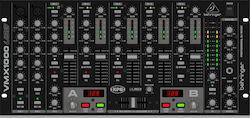
Konsole: Große Mehrkanalsysteme. Ideal für Live-Auftritte (Live-Bands) oder Studioaufnahmen, da sie die gleichzeitige Steuerung mehrerer Instrumente und Mikrofone ermöglichen.
Mischpult: Kompaktere Geräte (normalerweise 2-4 Kanäle). Vor allem für DJs, Podcasts, Solo-Künstler oder einfache Mischung weniger Audioquellen konzipiert.
Analog: Die klassische Wahl. Bietet natürlichen, "warmen" Klang und direkte Bedienung mit physischen Knöpfen (Reglern/Fadern) für jede Funktion, ohne komplizierte Menüs.
Digital: Moderne Konsolen mit großer Flexibilität. Ermöglichen das Speichern von Einstellungen (Presets), verfügen über integrierte digitale Effekte und bieten oft die Möglichkeit der Steuerung über Tablet/Smartphone.
Bluetooth: Ermöglicht die kabellose Verbindung von Smartphone, Tablet oder Laptop zum Abspielen von Musik oder Backing Tracks ohne Kabel.
Phantomspeisung: Erforderliche Funktion, wenn Sie Kondensatormikrofone anschließen möchten, die eine Stromversorgung vom Mischpult benötigen, um zu funktionieren.
Aktiv: Mischer mit integriertem Verstärker. Sie können direkt an passive Lautsprecher (Lautsprecher ohne eigenen Anschluss) angeschlossen werden, wodurch Sie den Kauf eines separaten Endverstärkers sparen.
Podcast/Streaming: Geeignet für Podcasts, Streaming und Content-Erstellung. Verfügen über USB-Anschluss und wenige Kanäle, was eine einfache Verbindung von Mikrofonen und anderen Audioquellen an Computer oder Laptop ermöglicht.
DJ-Mixer & Konsolen: Geräte, die für DJ-Setups zur Musikwiedergabe auf Partys, Clubs und Veranstaltungen geeignet sind. Dazu gehören hauptsächlich kleine Mixer und Konsolen mit RCA-Anschlüssen, die für die Zusammenarbeit mit Plattenspielern, CD-Playern und DJ-Controllern konzipiert sind.
Live/Studio: Mixer und Konsolen mit mehr Kanälen für Bands, Live-Auftritte, Proben und Aufnahmen. Sie sind geeignet für den Anschluss mehrerer Mikrofone und Instrumente und bieten größere Flexibilität in professionellen und semiprofessionellen Umgebungen.