
Φίλτρα
ΚαθαρισμόςΠροτεινόμενα
- Αγορά μέσω Skroutz: Προϊόντα που είναι διαθέσιμα για αγορά απευθείας μέσα από το Skroutz.
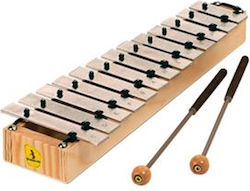
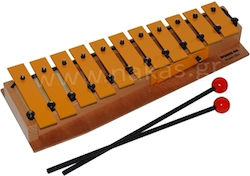
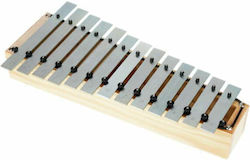
- Γκλόκενσπηλ: Μικρότερα μεταλλόφωνα με στενές μεταλλικές πλάκες που παράγουν έναν πολύ φωτεινό, καμπανιστό και υψηλόσυχνo (οξύ) ήχο. Χρησιμοποιούνται συχνά σε ορχήστρες αλλά και στην εκπαίδευση.
- Βιμπράφωνα: Επαγγελματικά, μεγάλα μεταλλόφωνα με ενσωματωμένο πεντάλ και ηλεκτρικό μοτέρ που περιστρέφει πτερύγια στους σωλήνες αντήχησης, δημιουργώντας ένα χαρακτηριστικό εφέ «κυματιστού» ήχου (vibrato).
- Χρωματικά: Περιλαμβάνουν όλες τις νότες της μουσικής κλίμακας (μαζί με τις διέσεις και τις υφέσεις, όπως τα μαύρα πλήκτρα στο πιάνο), επιτρέποντας το παίξιμο οποιουδήποτε κομματιού.
- Διπλά: Μεταλλόφωνα δύο σειρών που συνήθως ξεκινούν ως διατονικά αλλά διαθέτουν επιπλέον πλάκες ή δεύτερη σειρά για να μετατρέπονται σε χρωματικά, προσφέροντας μεγαλύτερη ευελιξία.
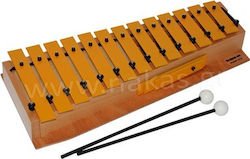
- Διατονικά: Περιλαμβάνουν μόνο τις βασικές νότες μιας συγκεκριμένης κλίμακας (συνήθως της Ντο μείζονας, όπως τα λευκά πλήκτρα του πιάνου). Είναι ιδανικά για αρχάριους, καθώς «δεν έχουν λάθος νότες».
- Σοπράνο: τέλα με υψηλό τονικό εύρος, που παράγουν τον πιο οξύ και λαμπερό ήχο στην κατηγορία τους.
- Τενόρο: με χαμηλότερο (πιο βαθύ) τονικό εύρος από τα άλτο, που προσθέτουν βάθος και γεμίζουν τις χαμηλές συχνότητες στο ορχηστρικό παίξιμο.
- Άλτο: Μεταλλόφωνα με μεσαίο τονικό εύρος (πιο μπάσος και γεμάτος ήχος από τα σοπράνο), ιδανικά για το μεσαίο τμήμα μιας σχολικής ορχήστρας.