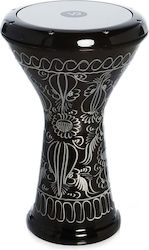
Arabic: Traditional medium-sized percussion instruments that produce a balanced sound with full bass and clear treble, suitable for a wide range of Eastern music.
Egyptian: Also known as "Darbuka" or "Sombaty." They are slightly larger and heavier, with rounded edges on the rim to prevent hand injuries, and are known for their deep, powerful bass sound (Dum).
Turkish: Traditional toubelekia with a flat rim and visible external tuning screws. They produce a more “metallic,” sharp, and piercing sound (Tak), ideal for fast finger soloing.
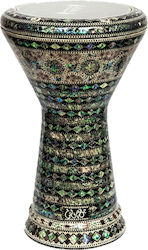
Ivory: Premium models (usually aluminum) with handcrafted inlay of genuine mother-of-pearl, offering an impressive traditional appearance and great durability.
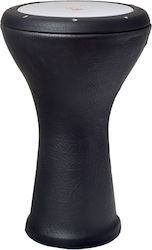
Synthetically: Instruments made of fiberglass or plastic, which are extremely lightweight and are not affected by humidity or temperature changes.
Clay: The most traditional toubelekia, made from clay and natural skin. They offer a unique, very “warm,” earthy, and sweet sound, but they require care as they are extremely fragile.
Aluminum: The most popular and practical choice. They are durable, affordable, easy to tune with a key, and produce a strong, clear sound.
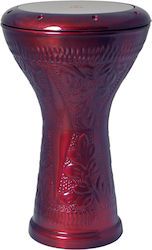
Copper: Made of copper, they offer a richer, brighter, and more “full” sound compared to aluminum, while also having a distinctive vintage style.
Leather: Refers to instruments that use natural animal skin for the membrane, offering a softer and more traditional sound, but requiring frequent tuning depending on the weather.
Cast Iron: Cast iron toms, with a characteristic embossed, rough texture (usually in black or gray), offering exceptional sturdiness and a very full, stable bass.