Υποδοχή για Smartphone Camera: Περιλαμβάνεται ειδικός αντάπτορας (βάση) που σταθεροποιεί το κινητό πάνω στο προσοφθάλμιο. Έτσι, η κάμερα του τηλεφώνου ευθυγραμμίζεται με το τηλεσκόπιο για εύκολη φωτογράφιση της Σελήνης και των πλανητών.
Ρομποτικό (GoTo): Διαθέτει ενσωματωμένο υπολογιστή και ηλεκτροκινητήρες που του επιτρέπουν να εκτελεί λειτουργίες αυτόματα, χωρίς να χρειάζεται να το κινείς εσύ με το χέρι.
Smart: Δεν διαθέτει προσοφθάλμιο και ελέγχεται μέσω εφαρμογής στο κινητό. Βρίσκει μόνο του τα αστέρια, τα φωτογραφίζει και σου δείχνει στην οθόνη έγχρωμους γαλαξίες και νεφελώματα.
Wi-Fi: Έχουν την δυνατότητα ασύρματης επικοινωνίας της συσκευής με smart συσκευές (κινητά, tablet, PC) για τον έλεγχό της.
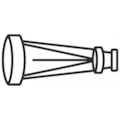
Διοπτρικό: Χρησιμοποιούν έναν φακό που διαθλά το φως και το συγκεντρώνει σε ένα δεύτερο φακό ο οποίος ονομάζεται προσοφθάλμιος και λειτουργεί σαν μεγεθυντικός.
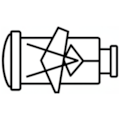
Κατοπτρικό: Χρησιμοποιούν ένα κάτοπτρο για να συγκεντρώσουν το φως. Στην συνέχεια με ένα δευτερεύον κάτοπτρο σε γωνία 45 μοιρών στέλνουν το φως στον προσοφθάλμιο φακό.
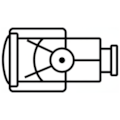
Καταδιοπτρικό: Χρησιμοποιούν φακούς και κάτοπτρα. Το φως περνά από έναν φακό στο μπροστινό μέρος ο οποίος το προετοιμάζει και ύστερα με την βοήθεια διαδοχικών κατόπτρων το φως φτάνει στον προσοφθάλμιο φακό.
Αρχάριος: Αφορά τηλεσκόπια με διάμετρο φακού μικρότερη από 80mm. Τα τηλεσκόπια αυτά είναι συνήθως μικρά σε όγκο, φορητά και ιδανικά για κάποιον αρχάριο χρήστη.
Εξοικειωμένος: Αφορά τηλεσκόπια με διάμετρο φακού από 80mm έως 185mm. Τα τηλεσκόπια αυτά απαιτούν δεν είναι κατάλληλα για έναν αρχάριο χρήστη καθώς απατούν μεγαλύτερη εξοικίωση αλλά από την άλλη δεν αρκούν για να καλύψουν τις ανάγκες ενός έμπειρου χρήστη.
Έμπειρος: Αφορά τηλεσκόπια με διάμετρο φακού μεγαλύτερη από 185mm. Τα τηλεσκόπια αυτά είναι συνήθως είναι ογκώδη, βαριά, δύσκολα στο στήσιμο και στην ευθυγράμμιση, οπότε είναι ακατάλληλα για κάποιον χωρίς προχωρημένη εμπειρία.
Αστρικά Σμήνη & Μεγάλα Νεφελώματα: (Εύρος Εστιακής Απόστασης εώς 700mm) Προσφέρει ευρύ πεδίο όρασης, ιδανικό για παρατήρηση μεγάλων περιοχών του ουρανού, όπως νεφελώματα και αστρικά σμήνη.
Πλανήτες & Αντικείμενα Βαθέος Ουρανού: (Εύρος Εστιακής Απόστασης 700-1300mm) Παρέχει καλή μεγέθυνση χωρίς να χάνεται πολύ το πεδίο όρασης. Κατάλληλη για μεσαία αντικείμενα, π.χ. μεμονωμένα αστρικά συστήματα ή πλανήτες με σχετικά μεγάλη επιφάνεια.
Πλανητικά Νεφελώματα & Σφαιρωτά Σμήνη: (Εύρος Εστιακής Απόστασης πάνω από 1300mm) Παρέχει υψηλή μεγέθυνση με στενότερο πεδίο όρασης, ιδανική για λεπτομερή παρατήρηση πλανητών, κρατήρων της Σελήνης ή μικρών αντικειμένων όπως μακρινοί γαλαξίες.
Αλταζιμουθιανός: Η πιο απλή επιλογή. Κινείται όπως το κεφάλι μας, πάνω-κάτω και δεξιά-αριστερά. Είναι ιδανική για γρήγορες βόλτες στα αστέρια ή τη φύση, αφού τη χειρίζεσαι εύκολα και αυθόρμητα, όπως ακριβώς ένα κλασικό τρίποδο κάμερας.
Ισημερινός: Σχεδιασμένος για να "κλειδώνει" τα αστέρια, ακολουθώντας την καμπύλη πορεία τους στον ουρανό. Αν και απαιτεί μια μικρή ρύθμιση στην αρχή, σου επιτρέπει να κυνηγάς ένα αστέρι σε ένα νοητό τόξο, κουνώντας μόνο έναν μοχλό χωρίς να το χάνεις ποτέ.