

Ръководство за покупка за избор на подходящ фризер
Фризерът е необходимо устройство за домакинствата, които имат нужда да замразят храна за дълъг период от време, когато достъпът до местни пазари или супермаркети не е толкова лесен.
Конвенционалните хладилници включват специфични пространства за съхранение на храна, което води до незадоволени нужди. Решението определено е фризер с голям капацитет, за да може да съхранява количества храна, които ще останат свежи.
Категории на фризерите
Фризерите се делят на 2 типа: Хоризонтални (сандъчести) и Вертикални (стоящи).
Хоризонтални
Хоризонталните имат формата на сандък и обикновено са по-икономични от вертикалните. Отварят се отгоре, изискват много място на пода поради ширината си и имат единствено отделение с голям капацитет. Въпреки това, организацията е по-трудна, тъй като няма чекмеджета и храната отгоре трябва да се извади, за да се достигне до тази отдолу. Те са подходящи за поставяне в нежилищни пространства, като складове, които може да бъдат достъпни от много хора или дори деца, тъй като често разполагат с ключалки. Поради своята конструкция, те се смятат за по-тихи, тъй като не изискват допълнителен вентилатор и поддържат охлаждането за по-дълъг период от време в случай на прекъсване на електрозахранването.

Вертикални Фризери
Вертикалните или стоящите фризери външно приличат на обикновен хладилник. Вратата се отваря в дясно или в ляво според вашето предпочитание и включва рафтове и чекмеджета за по-добра организация и по-лесно намиране на продуктите. В този случай обаче капацитетът им се намалява с до 20%. Благодарение на своята форма, те лесно минават през врати, можете да ги поставите в много части на къщата и има няколко модела, налични в неръждаема стомана. За по-добро охлаждане, те имат вграден вентилатор, който създава шум в противоположност на хоризонталните фризери.

Освен това, можете да се погрижите да си закупите вграден или подплотен фризер, за да остане незабелязан и да не заема много място, особено когато то е ограничено.
Вградени фризери
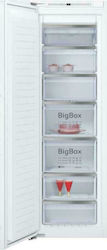
Добър избор за още по-голяма икономия на пространство и красив дизайн на кухнята е вграденият фризер. Той може да бъде поставен под плота или вътре в шкафа, за да бъде покрит и хармонизиран с декорацията.



Подплотни фризери
Те са с малки размери и се поставят под плота, за да бъдат незабележими в пространството. Ако нуждите не са много големи, тогава подплотните фризери ще бъдат удобни за вас. Те имат врата отпред и не надвишават 80-82 см височина.


Технологии във фризерите
Фризерите използват различни технологии за контрол на температурата, запазване на храната и предоставяне на своевременна информация на потребителите. Някои от тези технологии включват:
- Автоматично Суперзамразяване: Тази технология бързо замразява храната, като същевременно предпазва вече замразените продукти от размразяване.
- Нискообразуване на лед: Количеството образуване на лед се намалява, което позволява по-рядко размразяване и спестява време и усилия.
- Без лед: С тази технология фризерът рядко се нуждае от размразяване. Циркулацията на въздуха намалява влажността, предотвратява образуването на лед и създава повече място за съхранение на храната.
- Технология Stop Frost: С технологията Stop Frost образуването на лед се премахва, което води до по-рядко размразяване. Освен това, тази система не е под налягане при отваряне и затваряне на вратата на фризера, което позволява тя да бъде отворена веднага след затваряне.
- Технология за визуално и звуково предупреждение: Това е система за безопасност, която уведомява потребителя чрез звуци, светлини или индикатори, ако температурата се повиши над желаните нива.
- Инверторна технология: Инверторната технология позволява на компресора да регулира скоростта си в зависимост от нуждите за охлаждане, което води до по-голяма енергийна ефективност.

Кой фризер да изберете?
По-долу ще намерите всички характеристики, които се смятат за необходими при изследването и вземането на окончателното решение за закупуване на фризер, който ще отговори на вашите нужди.
1. Пространство: Първоначално, това, което трябва да решите преди да закупите, е къде ще го поставите. Ще бъде ли вътре в къщата? Или в склада, в гаража? Пространството е основната характеристика за вашето окончателно решение. Ако искате да го имате в кухнята, най-добрият избор е вертикален фризер, за да спестите място на пода.
2. Шум: Когато става въпрос за закупуване на фризер и поставянето му в кухнята, е добре да изберете тих. Хоризонталните фризери правят по-малко шум, но ако не можете да имате този тип, изберете вертикален, който не надвишава 40dB, за да не бъдете смущавани.
3. Автономност: Много важно в случай на спиране на електрозахранването е запазването на охлаждането, за да се запази храната. Трябва да знаете за колко часа може да се поддържа желаната ниска температура вътре във фризера. Добре е в този случай да избягвате отварянето на вратата, за да не нарушите съдържанието.
4. Консумация на енергия: Колкото по-висока енергийната категория, към която принадлежи фризерът, толкова повече ще спестите в енергия/ефективност.
5. Технология No Frost: Най-добрият избор за всички е такъв, който няма да създава допълнителна работа и усилия. Ако размразяването не е нужно за дълъг период от време или почти изобщо не е нужно, тогава този фризер е най-подходящият.
6. Магнитни врати: Магнитните врати гарантират плътно затваряне на фризера и така температурата не се повишава, храната не се размразява и свежестта им се запазва.
7. Осветление: Може да изглежда незначително, и все пак... Правилното осветление ви помага да намерите бързо това, което търсите, без забавяния, което води до по-кратко време на отворена врата и запазване на охлаждането вътре.
8. Пространство за съхранение: Добре е да се обмисли преди покупката количествата, които искате да съхранявате във фризер. Ако вашите нужди ще бъдат задоволени с храна за 2 седмици, тогава малък фризер ще ви послужи. Въпреки това, ако искате да имате запаси от месо, донесено от далечни райони, тогава капацитетът трябва да бъде голям и ще бъдете доволни от сандъчест фризер.
Енергиен клас
Фризерите заедно с хладилниците са сред уредите, които работят непрекъснато през цялата година. Всеки модел се класифицира в различен енергиен клас въз основа на сравнението на годишното потребление на електроенергия, което показва, тоест, колко ток изразходва. Съгласно най-новите указания на Европейския съюз, всеки уред, който принадлежи към широка гама продуктови категории (съдомиялни машини, перални и сушилни машини, телевизори, хладилници, фризери, лампи), трябва да бъде оценяван в рамките на скала от седем степени A-G, където A е най-добрият клас, а G е най-ниският. (Подробности за енергийния клас можеш да видиш тук.)

Климатичен клас
Климатичният клас на фризера се отнася до обхвата на околните температури, в които той може да работи ефективно, без да консумира допълнителна енергия или да губи охлаждането си. Таблицата по-долу представя климатичния клас във връзка с обхвата на температурите.
Инструкции за защита на фризера
Всяко домакинско уредство включва инструкции за потребителя, както и указания за защита за дълготрайност. Важно е да помните да:
- Почиствате вътрешността на фризера, за да избегнете силни миризми.
- Размразявате го, когато не е с технология No Frost.
- Почиствате праха, който се натрупва на металната решетка отзад на фризера, за да поддържате неговата енергийна ефективност.
- Не съхранявате стъклени бутилки за дълго време, тъй като могат да се счупят.
- Не използвате остри предмети, за да изваждате хранителни продукти.
Често задавани въпроси
1. Коя е най-добрата технология за фризер?
Най-добрият избор за купувача е No Frost. Размразяването е трудна задача, тъй като всичката храна трябва да се извади, отнема часове за таянето на леда, след което трябва да се почистят областите по стените на уреда. Този процес не само е уморителен, времеемки и опасен, тъй като обикновено се извършва с остри предмети, за да се счупи леда, но също така трябва да се планира, когато има малко съхранявани продукти.
2. Каква трябва да е околната температура, за да работи фризерът правилно?
Ако температурата на стаята, в която се намира фризерът, е ниска, той ще работи по-ефективно и икономично. През летните месеци обикновено намаляваме температурата, за да запазим храната замразена, колкото е необходимо.
3. Как може да се поддържа стабилна правилна температура на фризера?
Добре е:
- Не отваряйте вратата за дълго време или многократно през деня.
- Настройте термостата на -16 градуса по Целзий.
Ако желаете, можете да използвате термометър, за да следите температурата сами.

Свързани статии
Най-добрите фризери на пазара
Кои са най-добрите хладилници за 2026 година?
Ръководство за покупка на кухненски аспиратори

бъдете първият, който остави коментар